Posts Tagged ‘green’

The Children’s Environmental Health Center at Mt. Sinai Releases New York State’s Report on Children & the Environment

Screen Shot 2013-12-15 at 3.41.08 PM

“Children in New York today are at risk of exposure to more than 80,000 synthetic chemicals … Information on possible health effects is not available for half of the most most widely manufactured chemicals. Information on developmental toxicity to infants and children is not available for 80% of the most widely manufactured chemicals.”

The Children’s Environmental Health Center recently published an important report on the status of children’s health in New York State. The document concludes overall that, despite the enormous gains in kids’ health quality over the decades, chronic diseases are still on the rise, largely as a result of environmental factors.

  • Asthma diagnoses among children have tripled in New York State, most likely due to triggers such as air pollutants and cigarette smoke.
  • Birth defects are now the leading cause of infant death. The report cites phthalates in consumer products as one cause of birth defects.
  • Developmental & other neurobehavioral disorders like autism have increased substantially. Researchers attribute 28% - that’s more than a quarter - of cases environmental toxins.
  • Leukemia and brain cancer incidents have surged by 40% since the mid-1970s.
  • Lead poisoning — which can cause adverse brain damage even at low levels — impacts more than 2,000 children each year in New York State.
  • Child obesity, always a hot-button issue, continues to plague children’s health and has tripled over the past 3 decades. One third of all NY public school students are overweight. It is linked to endocrine disruptors - particularly BPA.

These problems in children’s health are also a major cost to New York State - reaching billions of dollars in treatment costs. Environmentally attributable asthma alone, for instance, amounted to $4.3 billion in costs. Environmentally attributable cases of autism and ADHD total $1.04 billion.

The report does indicate that such environmentally attributable diseases are preventable. It also argues that primary prevention, “the elimination of exposure to an environmental hazard at its source,” is much more effective than secondary measures in controlling children’s health. Mt. Sinai’s CEHC recommends building Centers of Excellence across NY state with medical professionals and other professionals who will provide

  1. actual, researched-based guidance on children and environmental factors
  2. educational outreach
  3. timely messaging on acute health events
  4. collaboration on community-level issues with key stake-holders

For information about how to avoid environmental toxins, checkout the CEHC’s section on “Resources for Parents” and “Greening our Children.” Also checkout Nine Naturals blogposts on environmental toxins:

What are Sulfates and Our Top Tips to Avoid Them

Cooking Like a Natural. Safe & Effective Alternatives for Non-Stick Cookware

Greening Your “Clean” Routine! Using Safe Cleaners in the Home

Minimizing Toxins While Breastfeeding

All about Phthalates! Why and How to go Pthalate-Free

What are parabens and the dangers they pose? You’d be surprised.

How to Read a Label? Standards, Labeling, Honesty & Deception on Product Labels

Creating a Green Nursery … a Healthy Space for your Newborn!

Win Dapple Cleaning Products!

email_112013_v7

We are teaming up with Dapple for a Facebook Giveaway of their green beauty products! Enter on Facebook!

Greening Your “Clean” Routine! Using Safe Cleaners in the Home

Screen Shot 2013-11-20 at 4.55.52 PM

Think of the last ad you saw featuring a cleaning product - you probably heard promises of tough, grease-fighting powers and magical abilities to make soap scum, dirt and grime disappear.

While we don’t dispute any of those claims, we posit that the price of such disinfecting far supersedes the price on the sticker.

A danger for you, your baby and your family:

According to a report by the EPA, the usage of commonplace household cleaning chemicals can create an indoor environment that is two to five times more polluted than outdoor air. And the indoor air we breathe is far from the full story.

We are further exposed to these chemicals through touch, food and objects in our home. Our skin comes in contact with surfaces with residual chemicals - like a our dining room table or toilet seat. We also are exposed to chemicals through the food that touches those surfaces - like countertops, plates and food containers. Toxic chemicals in the air can absorbed by porous household objects, like furniture, pillows, rugs, clothing and stuffed animals, which prolongs our exposure.

Especially if you are pregnant or have young children at home, the quality of air in your home, where most of your day is spent, is vital to the healthy development of your children.

Think of your laundry detergent, liquid hand soap, dryer sheets and air freshener. All are powerful disinfectants. Here is some information about the chemicals that are both powerful disinfectants and also dangerous for humans – particularly babies in the womb. Some harmful ingredients in common cleaning products are

  • Perchloroethylene or “PERC”: Found in dry cleaning, spot removers and carpet cleaner, PERC is classified by the EPA as a “likely human carcinogen”. Certain states such as California have already taken measures to phase out the use of PERC in cleaners by 2023. The most telltale sign of PERC’s presence is the chemical smell that lingers in your clothing after picking it up from the dry cleaners or in your carpet after a cleaning.
  • Triclosan: Found in “antibacterial” hand soaps and cleaners, triclosan is not currently known to pose any danger to humans; however, according to the FDA, studies involving animals have shown that triclosan alters hormone regulation. Furthermore, the American Medical Association recommends limiting the usage of anti-bacterial hand soaps containing triclosan because it may promote the growth of drug-resistant bacteria.
  • Ammonia: Because of its ability to keep windows and glass surfaces streak free, ammonia is a frequently used ingredient in surface cleaners. Ammonia emits a strong, distinct chemical smell that is corrosive and irritating to people who inhale it. If you must use ammonia, use it in well-ventilated areas, as inhalation of ammonia fumes in high concentrations may cause respiratory distress or failure. Parents with young children should be extra cautious when they use ammonia-based cleaners, as children have less lung capacity than adults and could more quickly succumb to the potential harmful effects of ammonia fumes.
  • Sodium Hydroxide: It’s found commonly in oven cleaners and drain openers. Also known as lye, sodium hydroxide is a heavily corrosive compound and can cause severe chemical burns to the skin and eyes if exposed. If inhaled, sodium hydroxide may cause a sore throat.
  • Synthetic Fragrance: Many cleaning supplies contain synthetic fragrances to mask the chemical smell of the product itself. The fragrances added to these cleaning supplies, much like fragrances found in cosmetics, contain allergens and phthalates. The presence of synthetic fragrances may potentially cause respiratory problems for individuals with asthma or allergies or contribute to serious health problems in the long term, such as cancer or reproductive difficulties. And “fragrance” is only one of the many potentially harmful ingredients found on the labels of cleaning products.

A danger to the environment:

The environmental impact of using conventional cleaning products is no more cheery than that of its affects on humans. Phosphorus, nitrogen, ammonia—all common ingredients found in commercial household cleaners—are listed by the Environmental Protection Agency as volatile organic compounds and as the worst environmental hazardous ingredients. After being rinsed down the drain or toilet bowl and traveling through miles of pipes, the chemicals resurface in bodies of water where they end up harming the aquatic wildlife, reducing the quality of water and contribute to local pollution.

Greening your cleaning routine!

So up until this point if you’ve “greened” your skincare regimen, your makeup routine, and your diet, that’s great news! And now it’s finally time to start on greening your cleaning routine.

Here are some tips!

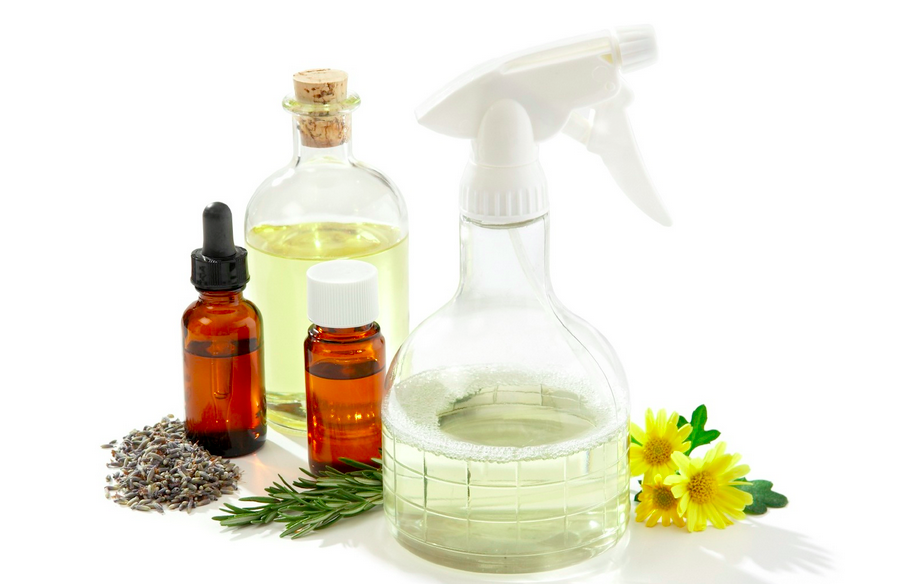
  • Look for eco-friendly commercial cleaners. Look for cleaning supplies that have plant-based ingredients.Nine Naturals supports Dapple, Seventh Generation, Bon Ami, Earth Friendly Products, PlanetInc, Dr. Bronner’s, Nature Clean & Eco-Me.
  • Avoid fragrances. Unless they’re derived from plant-based sources, avoid them. More often than not, the term “fragrance” will encompass phthalates. As we mentioned, synthetic fragrances may cause irritation to those with allergies and sensitivities. Look for fragrance free cleaners to take out the possibilities of you, or someone you love, suffering from
  • DIY! Your cabinets probably already have the ingredients to make much safer, and more environmentally friendly cleaning products. Checkout The Daily Green’s list of Green Cleaning Recipes!
    • Use vinegar to your advantage. It works wonders not only in your food but also as a multipurpose household cleaner. Vinegar works as a glass cleaner, toilet bowl cleaner and stain remover. (Look here on how to prepare the vinegar.) Plus, it’s inexpensive—you can buy it in bulk at the supermarket for cheap.
    • Baking soda is an effective alternative cleaner. On a segment with the TODAY show, environmentalist Deridre Imus recommended practical green cleaning solutions, one of which was to sprinkle one’s carpeting with baking soda to prevent mold and curb bacteria growth.
    • Lemon juice battles tough stains. Use lemon juice to clean off tough water stains on your shower doors and chrome. You can also scrub your pots and pans with lemon for a nice, green clean.

If you are unsure about the “greenness” of your cleaning products, visit EWG’s Guide to Healthy Cleaning Products.


Healthy Child Healthy World: The Nonprofit Every Health-Conscious Parent Should Know


Screen Shot 2013-11-05 at 1.42.32 PM

We created Nine Naturals to empower moms and moms-to-be in their consumer choices. Central to our mission is not only to create amazing beauty products that you’ll love, but also to provide you with educational tools to make it easier to create a safer environment for you and your family.

That’s why Nine Naturals is a proud supporter of the non-profit, Healthy Child Healthy World.

Healthy Child Healthy World’s vision is a world where every child has the opportunity to grow up in a healthy and safe environment. By working with manufacturers and supporting policy initiatives, Healthy Child Healthy World provides access to critical information that encourages smarter lifestyle choices that reduce chemical exposure in homes and communities. Since our own launch, Nine Naturals has partnered with Healthy Child; we support and are grateful for their tireless work to create a healthy environment for children.

Why they do it.

James and Nancy Chuda launched Health Child Healthy World in honor of their daughter Colette, who was diagnosed with a rare, non-hereditary cancer at the young age of four years old and eventually passed away from the disease. Through their research they learned that a possible cause of their daughter’s cancer was maternal exposure to chemical pesticides. Healthy Child Healthy World celebrates Colette’s memory and helps to prevent other children from suffering the effects of unnecessary chemical exposure.

How they do it.

Healthy Child focuses on three channels to execute on their mission:

Empowering Parents

Healthy Child’s website provides practical ways to reduce chemical exposure in your home. They have developed an “Easy Steps” series to guide parents in finding safe baby formula, improving indoor air quality, and using environment-healthy alternatives to dry cleaning.

The nonprofit also assembles inspiring Moms on a Mission and Parent Ambassadors, arguably just as important as Healthy Child’s science gurus in spreading awareness on chemical safety and environmental concern. Celebrity supporters like Laila Ali and Molly Sims proudly support Healthy Child’s causes as well.

Influencing Policy

For over 20 years, Healthy Child has worked to influence policy that better protects our children’s health. Healthy Child partners with manufacturers and policymakers to shed light on issues like corporate accountability, legal and regulatory reform, and greater chemical and product safety.

Promoting Solutions

Healthy Child helps to identify safer alternatives to toxic products, work with responsible companies to create and promote those alternatives and pressure industry giants to follow suit. Nine Naturals is proud to be a Shop Healthy partner of Healthy Child Healthy World. Our haircare and skincare line prioritizes chemical-free safety above all, a flagship shared with Healthy Child Healthy World.

Watch Healthy Child’s “Wake-Up Story” below and check out Healthy Child’s page today.


All about Phthalates! Why and How to go Pthalate-Free.

Fotos-de-perfumes-color-naranja

Nine Naturals has mastered a few important things, not the least of which is pronouncing the word “phthalates.” We’ve taken great care to keep our products and packaging completely void of phthalates. We also stay current on science about phthalates so that we can keep our customers informed about how to avoid phthalates in their daily lives.

What are Phthalates?

Phthalates are a group of chemical compounds commonly found in household products, from children’s toys to plastic water bottles and from cleaning supplies to shampoo. It’s been estimated that approximately 70% of personal care products include these chemical compounds.

Phthalates are used to make plastics more flexible, transparent, durable and pliable. They also improve how well paint can be applied (as in your nail polish) and help scents linger in the air longer. Phthalates can also be found in medical tubing, pill encasements and IV bags.

Because of their widespread use by manufacturers in a number of industries, phthalates can prove very difficult to avoid.

Here is a quick list of products that commonly contain phthalates:

  • Shampoos and conditioners
  • Hair coloring products
  • Eyeliner / eyeshadow
  • Blush
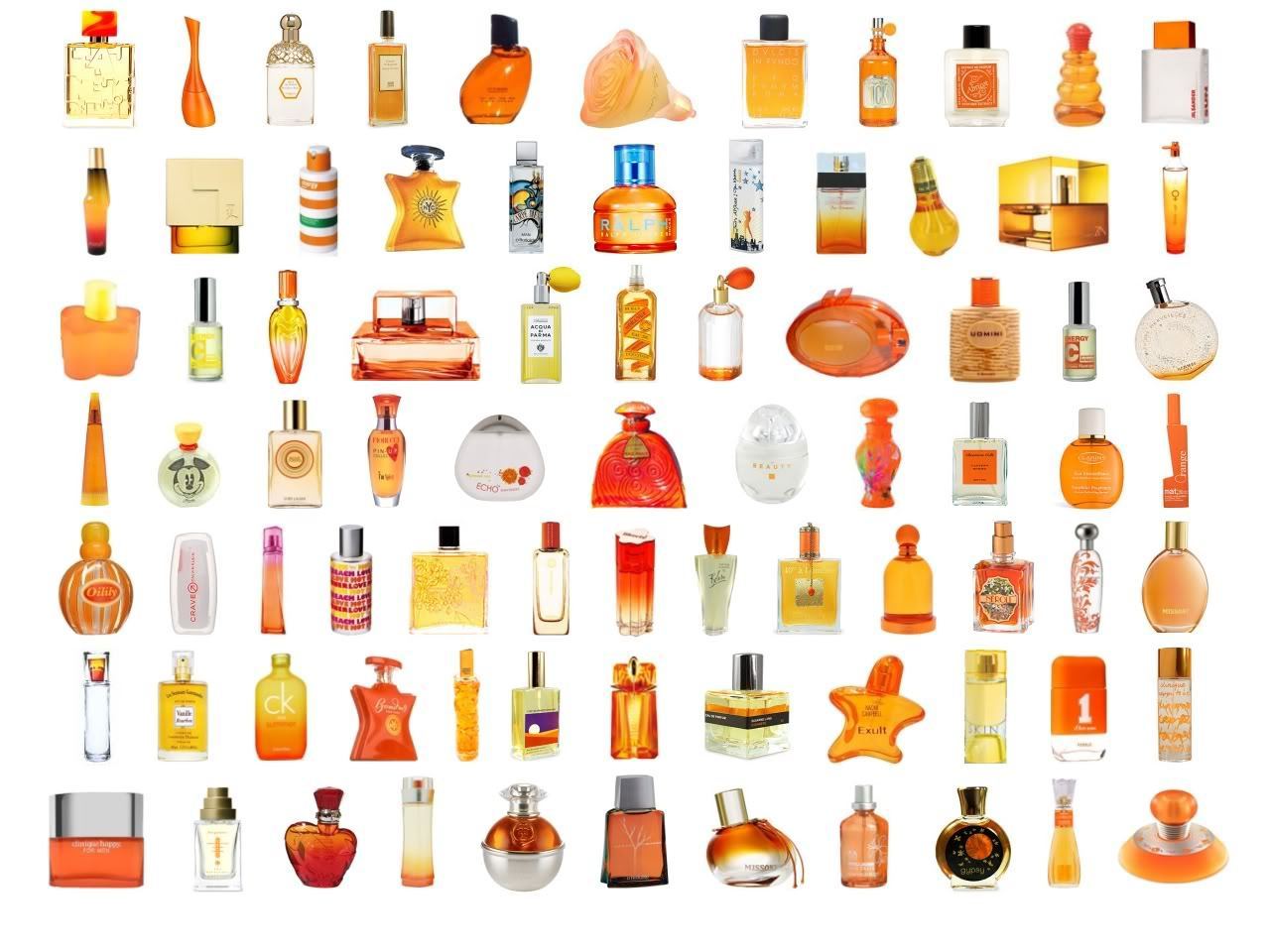
  • Perfume
  • Air freshener
  • Nail polish
  • Hairspray
  • Deodorant
  • Feminine products
  • Plastic food packaging
  • Plastic wrap
  • Plastic water bottles

Why Phthalates Are Dangerous.

One of the notable behaviors of phthalate compounds is that their decomposition accelerates as plastics age – this is one of the reasons that phthalates are so dangerous and nearly impossible to completely avoid.

Phthalates pose a very high risk to your health and to your baby’s well being. Potentially carcinogenic, phthalates can prove toxic to developing fetuses and can produce birth defects in baby boys.

Phthalates also interrupt your body’s natural hormonal processes – “hormone disruptors.” Phthalates can wreak havoc on your fertility levels, jeopardize your endocrine system, and can also incite endometriosis and PCOS, a serious ovarian disorder.

The good news about phthalates is that they do not accumulate in the body, unlike other harmful chemical compounds. Speaking unambiguously to the ubiquity of phthalates, a 2001 CDC study revealed that every single person in the study had phthalates in his or her body. Because women so often use products containing phthalates (like cosmetics), sustained exposure to these chemicals is high for females.

Women in their childbearing years and children hold the greatest risk of phthalates producing serious consequences to their health and their baby’s health. Research from the Columbia University Mailman School of Health correlated prenatal exposure to phthalates to several disorders in preschool-aged children: reduced mental development, motor skill deficiency and behavioral challenges. Women who unwittingly use products containing phthalates can jeopardize their children’s future.

How to Minimize Exposure to Phthalates

Identifying phthalates in your product’s ingredient list seems challenging and tedious. But here are a few tips to help you:

  1. Avoid all products from companies that list “fragrance” as an ingredient. In our blogpost about “How to Read a Label,” we explained that, due to patent guidelines, fragrances are legally protected from having to disclose contents. Phthalates are often used in creating fragrances, but are not disclosed as an ingredient because they are a part of the “fragrance” of a product. As an alternative, use products that, like Nine Naturals, only use natural, plant-derived fragrances.
  2. Seek out transparency on product labels. Purchase from companies who disclose all the ingredients contained in their products. Consumers shouldn’t have to guess what goes into the products they use on their body. For instance, Nine Naturals always discloses the exact fragrance of its products and never hides ingredients behind a “fragrance” label.
  3. Avoid products containing one of these acronyms: DBP, DEHP, DMP, or DEP. Also note that “dibutyl / diethyl ester,” or any variation thereof, signals phthalates. So does “1,2-benzenedicarboxylate.”
  4. Use glass containers to store food. Phase out that plastic Tupperware! And promptly throw away Tupperware that is already showing scratches and other signs of damage.
  5. Never use plastic containers or plastic coverings, like plastic wrap, when heating food. Heat can accelerate the breakdown of phthalates in plastic. Transfer your food to a glass bowl or plate and use a paper towel or a plate as a cover.

A Natural Solution

Keep in mind – natural hair maintenance offers more than phthalate-free, chemical-free safety; it also fosters sensational hair. Pregnant women who use plant-based, natural products can capitalize on their fuller locks without worry.

Mother Nature helps achieve this with stunning “ingredients” like cupuaçu butter, which nourishes hair with its Omega-6 and -9 fatty acids. Meadowfoam seed oil naturally protects hair against UV radiation. And impressive shine is just one asset of the oil from the sweet almond. Nine Naturals’ phthalate-free, all-organic shampoo and conditioner incorporate these and other healthy-body, healthy-hair ingredients.