Pregnancy Tips

  • How To Donate Breast Milk

    5 Truths about donating breast milk to a mother in need.
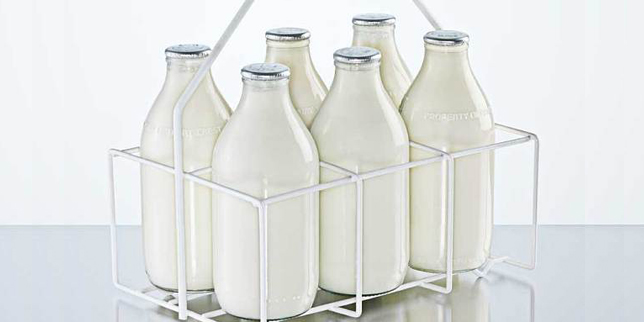
    donating breast milk

    Article & Photo courtesy of Well Rounded NY

    Recently, a handful of hospitals in NYC started offering something amazing to NICU babies: donor breast milk. It sounds weird to the unknown ear, I know. Donor breast milk? Why? How? I had these same questions when my daughter Ava was born and ended up in the NICU, surrounded by babies who had been born prematurely. I decided to research donating my breast milk, and soonafter, found myself getting deeper into the labyrinth that is human milk. Here’s 5 truths I found during the process.

    1. Babies born prematurely benefit greatly from breast milk, and many of their mothers can’t provide it.

    Babies born prematurely are extremely susceptible to a gastrointestinal disease called Necrotizing Entercolitis. This is a disease where the intestines aren’t fully developed and eventually end up deteriorating, causing holes to develop and waste and bacteria to enter the intestinal tract and ultimately causing life-threatening infections. It is the number one killer of preemie babies, but if they receive breast milk instead of formula during this crucial time, their chance of overcoming this disease is upward of 79%. Breast milk helps these babies thrive, gain weight faster and get the antibodies and nutrients they may otherwise not be getting from formula. It can also help these babies cut their NICU stays in half.

    Many of the mothers of these babies don’t have their milk in yet, and the stress of having a baby in the NICU and having had birthed prematurely makes it difficult for them to produce milk, or enough of it. Donor milk can really help these babies get healthy faster and ultimately save lives and guard against disease. It’s almost baffling that hospitals wouldn’t offer something.

    2. You hear about undersupply, but many new moms pump more than they can use.

    While Ava was in the NICU (due to losing 10% of her birthweight and fever), I began pumping breast milk. My supply was enough for three babies, and I knew it! I stopped pumping a few days after she came home but started up again when I went back to work at four months postpartum. Having an oversupply of milk was hard to manage, but it was better than having an undersupply. I found myself pumping three times a day and bringing home more than Ava ever drank.

    3. Informal milk sharing is not regulated.

    Some women donate informally, finding other people who may need breast milk for their baby locally and giving it to them, person to person. While I tried this once, I felt uncomfortable knowing it wasn’t properly regulated and I was never sure that a baby was using my milk.

    4. Some milk banks use breast milk for research instead of sending it directly to babies in need.

    When I learned about donating breast milk via a milk bank, I felt more comfortable. Still there were pitfalls: I found some milk banks that said they would reimburse me for the cost of my breast pump (over $200!), but after reading more about them, I realized that these were research companies, and that my milk might never even make it to an actual baby.

    5. Donating safely is easier than you think.

    I finally read about the Human Milk Banking Association of North America. They guaranteed that my milk would go to a hospital NICU and help babies who were micro-preemies that weighed under 4lbs.

    Signing up was easy: I did a phone interview with my local HMBANA milk bank, sent my medical records and did blood tests every six months. Every few months I would package up my milk and send it off to FedEx for an overnight delivery to the Mothers Milk Bank Northeast in Massachusetts. From there, they would test the milk, pasteurize it and send it off to hospitals, like Brigham & Women’s Hospital in Boston, where it would go directly to the NICU and be used for preemie babies in need.

    In all, I ended up donating around 400oz. to the milk bank and another 100oz. after that informally, because my milk had gone past the milk banks deadline of three months since pumped.

    I had an amazing experience donating milk and was so thankful I was able to do it. This was something I could easily do, didn’t take a lot of extra time or money and helped save lives and help babies get healthy.

    If you’re interested in breast milk donation, I highly recommend reaching out to HMBANA. If you’re someone who may need breast milk for your baby, talk with your hospital or doctor about getting your baby a prescription for donor milk and if you’re in the northeast, you can directly call MMBNE abut receiving breast milk at 617-527-6263, extension 4.

    Want to donate breast milk to someone in need? Contact:

    Human Milk Banking Association of North America

    Mother’s Milk Bank Northeast

    NEC Society

    This article is by Chelsea Vassi, courtesy of Well Rounded NY. Conceived with love by former magazine editors Jessica Pallay and Kaity Velez, Well Rounded NY aims to be the singular pregnancy resource for city-savvy moms-to-be. Through reviews, profiles, expert Q&As, local guides and more, Well Rounded curates the New York City pregnancy and helps its readers come to terms – and term! – with pregnancy in the city.

  • Game-changer: Nursing Pillow

    Start your breastfeeding journey right with one of these 8 great nursing pillows.

    nursing pillows

    Article & Photos courtesy of Well Rounded NY

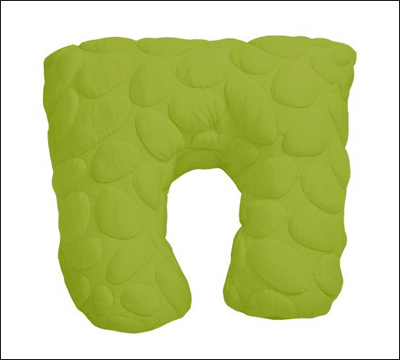
    The benefits of nursing your baby are countless, from nutrition to bonding to fighting off disease. While the process isn’t always easy, the right breastfeeding support can make all the difference. Sometimes literally. Investing in a nursing pillow, which is specifically designed to help you feed your baby, can be a game-changer from your first feed. Pack one of these 8 great nursing pillow options in your hospital bag now.

    honest

    ergobaby

    This article is by Jessica Pallay, courtesy of Well Rounded NY. Conceived with love by former magazine editors Jessica Pallay and Kaity Velez, Well Rounded NY aims to be the singular pregnancy resource for city-savvy moms-to-be. Through reviews, profiles, expert Q&As, local guides and more, Well Rounded curates the New York City pregnancy and helps its readers come to terms – and term! – with pregnancy in the city.

  • 5 Beauty Ingredients To Avoid During Pregnancy

    5 Beauty Ingredients To Avoid During Pregnancy 5 Beauty Ingredients To Avoid During Pregnancy

    A growing number of studies show that common chemicals in everyday personal care products, such as shampoo, makeup and moisturizers, are associated with developmental, reproductive and behavioral disorders, hormone disruption and cancer. That is why, during pregnancy or breastfeeding, women should especially avoiding synthetic chemicals. Here is our list of top 5 most harmful agents:

    Parabens are the most widely used preservative in cosmetics. Intended to stop the growth of bacteria in your products, they disrupt your endocrine system—chemicals that act like hormones and disrupt the reproductive system. They can build up in the body over time and have been associated with reproductive disorders in babies. That is why all Nine Naturals products are free of Parabens, Sulfates, and Phthalates.

    Sulfates are cleansing agents used to create soaps that foam and lather. Nitrosamines and 1.4-dioxane are the two primary culprits present within sulfates and have been labeled carcinogenic. Sulfates have also been shown to disrupt hormonal balance, incite reproductive and developmental problems and seriously pollute the environment. At Nine Naturals, we use a variety of citrus juice and oils--like those in our shampoos and conditioners--because they are natural cleansers that not only maintain your body’s natural balance, but helps improve move and reduce inflammation.

    Phthalates are found in a wide variety of personal care products, such as shampoos, conditioners and perfumes, and are often a component of fragrance in products. Exposure to phthalates is associated with hormone disruption, birth defects and endometriosis. Our Citrus + Geranium Soothing Body Wash will fill your shower with a fresh, floral aroma that not only calms you, but may even help alleviate pregnancy nausea!

    BPA is a chemical commonly found in plastics mostly used for containers. Recent studies have shown BPA to cause developmental disorders, such as cancer, ADHD and asthma, in fetuses when pregnant women interact with the substance. Make sure you look for bottles that are BPA-free, as these chemicals can seep into the products the bottles were intended to hold.

    Petrochemicals are made from natural gas liquid and crude oil often used in the manufacturing of plastics. What many people don’t realize is that petrochemicals are widely added to food, personal care products and household products. Because petrochemicals are known hormone disrupters and have been linked to causing many health problems, such as cancer, Nine Naturals’ moisturizing bodycare products only use non-toxic essential oils naturally-derived from plants.

    The prevalence of these toxic chemicals may be overwhelming, but don’t worry! Staying educated on what to avoid and what natural ingredients are better substitutes will make the journey to a healthier lifestyle much easier. Whether it’s upgrading your beauty routine--try 7-free nail polish and all-natural mascara--or simply switching to glass from plastic, feel at ease knowing that you are creating a healthier, safer environment for mommy and baby.

  • Joy to Your Baby

    How your emotions affect the baby in your belly

    Article & Photo courtesy of Well Rounded NY

    Just as what we eat transforms into nourishment for the child growing in our womb, what we think and feel can become part of our developing baby. As a practitioner of Traditional Oriental Medicine (TOM), I am trained to see how our emotional state affects every aspect of our lives—and, when we are pregnant this is no different. In fact, from a TOM perspective, when we are pregnant, emotions not only affect our health and wellness, they affect the health and wellness of the baby growing inside our belly. There are the negative emotions like fear, sadness, anxiety and just general worry. And then there are the positive emotions of courage, peace, ease and joy. They all affect both you and baby positively or negatively.

    In TOM theory, every organ in our body not only has a physiological function, but an emotional one as well. For instance, the positive emotional states of courage and will enhance and support the organ of the kidney, and the emotions of joy, love and peace affect the organ of the heart. So, when these emotions are experienced it is seen as not only supporting the proper function of the organs they correlate to but that these organs are in good health because their emotional states are balanced.

    Similarly, the negative emotion of fear impairs the function of the kidney, just as anxiety and lack of joy negatively affect the function of the heart. When it comes to pregnancy all of the organs are important but the heart and the kidney are of most importance as these organs both have a direct line of communication with the uterus.

    In TOM anatomy there are energetic channels—one running directly from the kidney to the uterus and one that runs directly from the heart to the uterus. In this vein, it is seen that the negative emotional states of these organs—namely, fear and anxiety have quite a negative impact of the emotional state of your child in utero.

    In TOM, this is taken so seriously that women are told to not even watch scary movies or be around arguments or stressful events. They are only to be around joyous, happy and peaceful situations. I know that’s not always realistic in today’s world, as life happens. But we can take caution in protecting our pregnant selves from too much of these negative emotions because the emotions we experience on a daily, even moment-to-moment, basis, are penetrating our baby and becoming part of their emotional framework.

    The biggest message I give to my patients (and that I try to embrace myself, as I am currently pregnant too!) is that we need to focus on joy and love in our lives. Do it not only for your own health and wellness, but for that of baby’s. Here are some easy ways to do this on a daily basis:

    1. Practice gratitude. Each morning, upon waking, list 5 things (either write them down or just go over them in your head) that you are grateful for. A focus on gratitude shifts your focus from worry or stress to love and joy.
    2. Meditate. Even if for only a few minutes each day. Doing this calms your nerves and baby’s too. This not only feels good for you but I’d venture to say it will create a more calm child (perhaps one that sleeps through the night from the beginning!).
    3. Laugh as much as you can. Surround yourself with lighthearted friends, or read or watch something that makes you chuckle. Laughter sends waves of joy right from your heart to your uterus.
    4. Make someone else happy. It is said that the best way to get more joy in your life is to make someone else happy. So do a good deed and fill your heart with love and feel that love warmly wrapping around your baby.
    5. Be healthy selfish. Being selfish is often seen as being self centered or egotistical. However, I think being selfish can really benefit our health, especially when we’re pregnant. Not only do we now have to conserve more of our energy (because so much of it is going to baby) but we should be protective of our emotional energy. Avoid friends or family members that are draining or dramatic. Avoid watching the news or fear inducing television. Exercise healthy boundaries and say no to anything that doesn’t feel good.

    Practicing these lifestyle tips will not only keep your health optimal but your emotional state happy and joyful. And, when you are feeling more joy that bliss is traveling from your heart right into your uterus and nourishing your growing baby with love and joy. Whether this makes sense to you or not, it can’t hurt, and who doesn’t want a loving and joyful baby?

    This article is by Aimee Raupp, courtesy of Well Rounded NY. Conceived with love by former magazine editors Jessica Pallay and Kaity Velez, Well Rounded NY aims to be the singular pregnancy resource for city-savvy moms-to-be. Through reviews, profiles, expert Q&As, local guides and more, Well Rounded curates the New York City pregnancy and helps its readers come to terms – and term! – with pregnancy in the city.

  • New Mama Recipe: Crunchy BLT Chopped Salad

    A 30 minute recipe that will keep you satisfied.

    Article & Photo courtesy of Well Rounded NY

    As a new mama, you probably spent a lot of your time worrying about whether you should eat this or that. But now that baby’s here, guess what? It’s time to indulge a little. If bacon was at the top of your pregnancy cravings, here’s a recipe that will bring you joy. And all in under 30 minutes.

    Crunchy BLT Chopped Salad
    Serves 2

    5.5 ounces bacon thinly sliced
    ½ head of iceberg lettuce – cut in small chunks or thick strips
    20 large (or 40 medium) basil leaves (10 for dressing, 10 for salad)
    3 T Mayonnaise
    3 T Creme fraiche
    3 T Red wine vinegar
    1/8 – 1/4 t Sea salt – depending on saltiness of your bacon
    1/2 t Fresh ground black pepper
    2 Medium-large tomatoes – cut in strips
    1 Avocado – thinly sliced (if you’re an avocado lover, you can add more)
    *be careful with salt as the bacon is already salty

    -Cook your bacon until nice and golden brown and set aside on a paper towel, 2-4 minutes per side depending on thickness. The thin cut bacon works well here for timing as well as crunchiness.
    -While the bacon is cooking, roll together 10 of the basil leaves and roughly chop. Place in a small handheld Cuisinart mixer or small mixing bowl. Add creme fraiche, mayonnaise, vinegar, salt & pepper and mix well. If using a bowl mix with a whisk try to break up or bruise the basil so it incorporates well into the dressing. Set aside.
    -Slice your lettuce and place in the serving bowl. You want smaller strips or bite size chunks, not bigger leaves.
    -Roughly chiffonade or chop the other 10 basil leaves and mix in with the lettuce in the serving bowl.
    -Seed and slice the tomato and place on top of lettuce.
    -Thinly slice the avocado and place on top of the tomato.
    -Break up the bacon in bite size pieces and place on top of the avocado.
    -Finally, drizzle your dressing atop the salad and mix well before eating.
    Enjoy!

    This article is by Campbell Whitman, courtesy of Well Rounded NY. Conceived with love by former magazine editors Jessica Pallay and Kaity Velez, Well Rounded NY aims to be the singular pregnancy resource for city-savvy moms-to-be. Through reviews, profiles, expert Q&As, local guides and more, Well Rounded curates the New York City pregnancy and helps its readers come to terms – and term! – with pregnancy in the city.

  • Fashion Find: Mitera Collection

    A chic collection of nursing dresses to ensure you have one less obstacle postpartum.

    Mitera Collection


    Article & Photos courtesy of Well Rounded NY

    When Yoko Shimada gave birth to her son Hugo in 2010, she was in a state of euphoria as many of us new moms are. But, “there is another side of motherhood that no words can describe,” she remembers. “Nobody really tells you how truly challenging it can be. Sleeplessness, hormone-induced sweating, post-pregnancy excess weight and saggy stomach, postpartum hair loss, lack of time for any form of self-care like showering, putting on decent clothes and exercising.” Sound familiar?

    She struggled with breastfeeding, and when that got easier, she struggled with breastfeeding in public. And then she struggled with pumping when she went back to work as a global public health exec. She had to look professional, but also needed easy access to her breasts for pumping. Dresses were impossible. “I had to completely undress, or at the very least, undress from the waist up (if there was a zipper in the back) in order to pump. If someone were to walk in the door while I was pumping, I would look completely naked.”

    And so she dreamed up Mitera Collection, a beautiful, functional and practical line of versatile nursing- and pumping-friendly dresses. Three years and one more baby (Emmeline) later, it came to life. The inaugural collection launched this spring and includes 6 styles that range from casual to professional to party. It reflects the sensibility of an urban mom, who Shimada says, “is not just a mom, but a woman who wears many different hats.” Mitera is also committed to newborn and maternal health; a percentage of revenue will support organizations working in that space.

    Below, Shimada talks about the journey to launch Mitera, and how it’s helping solve at least one challenge we all face postpartum: what to wear.

    Mitera Collection dress

    Tell us about your own breastfeeding experience.
    Society expects and everything in the media tells you that you are supposed to be HAPPY to be a mom. But having done it twice now, it is not that simple. I admit that the first three to four months into my postpartum period was both the happiest and hardest time of my life. As a global health professional who specialized in maternal and child health, I knew the benefits of breastfeeding and I spent my career educating women in different parts of the world about the importance of breastfeeding and its benefits for both the baby and mom. But when it was my turn, I realized how hard it actually was. My nipples cracked and bled and they hurt for a good month and a half (with both kids!). Constant breastfeeding sessions every few hours = no sleep, no rest. Pumping sucked. Period. But after persevering through a few problems for the next two months, I was successfully breastfeeding and came to really enjoy it.

    How did that experience plant the seed for Mitera?
    Just when I had gotten used to the breastfeeding process, I encountered another problem – breastfeeding in public. On top of already feeling unattractive, I could not really wear clothes that made me feel somewhat normal. Instead, I was wearing ‘nursing’ friendly clothes where I could easily and ‘discreetly’ pop my breasts out for feeding my son or lift a shirt exposing my midriff, the most vulnerable part of my postpartum body to nurse. Both of my babies were extremely unhappy with the nursing cape that they constantly batted away, every time I tried to cover myself. When my son was 3 months old, we took him to Japan (my home country) to introduce him to his extended family. In addition to the stress of traveling internationally with my newborn son, it was also a struggle to feed, pump and store milk at the airport and in the economy seat of an airplane. It was messy and I felt uncomfortable, frustrated and miserable.

    Mom Fashion - Mitera Collection

    What about your back-to-work experience?
    Four and a half months after Hugo was born, I went back to work. The lactation room in our building was located in a dark basement. After trying to pump there a couple of times, I started pumping in my office with a big sign on the door saying “DO NOT ENTER.” I pumped while checking emails. I pumped while eating lunch. I pumped while on conference calls. I pumped all the time.

    This is when I ran into yet another challenge – my wardrobe. Since my days were so busy with no option to stay late, I had to be ultra efficient while accommodating my pumping schedule. My attire had to be in line with the professional look of the World Bank, but also make it easy for me to quickly access my breasts for pumping.

    Out of necessity, I started sketching my ideas out for nursing dresses nice enough to wear to the office. Initially, I never really thought about making them. But, then I realized that I couldn’t find anything in the market that really worked for me. I found a patternmaker in Japan to make the prototypes and had a tiny factory in Kobe produce the first samples of my breastfeeding dresses. I wore them all myself out of necessity and also to test them. It was not long until other moms started noticing them and asking me where I got the dresses. So, I continued working on the design in the evenings after I put my son to bed, while holding down a fulltime job that required constant international travel. It took me another three years and one more baby to decide to develop my idea into a business.

    Tell me about the Mitera aesthetic.
    Contemporary, Sophisticated, Modern, Chic, Urban, Simple, Inspiring and Empowering. I designed all the dresses from the point of view of a woman who is a mother. Our dresses are designed to be first and foremost beautiful and then functional and practical. I want women to feel like they are done the minute they put on our dresses (as moms, we are always short on time, right?). All of our pieces are designed to be versatile – from day to night, brunch to dinner, playdate to cocktail, office to evening, and kids birthday parties to weddings.

    Mitera maternity dress

    How are they functional for breastfeeding and comfortable for postpartum?
    All of our dresses have the patent-pending hidden zipper system which allows for discreet feeding and pumping. Three out of the six dresses have what we call a modesty bra, which is a thin lining or a loose sports bra offering extra protection when the zippers are open. All of our dresses are machine-washable and several come with huge pockets for essential mom items like keys, pacifiers and toy cars. I know how messy mommying can get, so I envisioned those days when I might be nursing a baby while dealing with a toddler covered in Nutella or some other sticky substance! With our timelessly chic design, completely hidden zipper access and practical luxury afforded by details like pockets and washability, our pieces are meant to be worn through pregnancy, nursing and well beyond, through the joys and challenges of motherhood. I wanted to design dresses that women would want to wear even if they are not pregnant or nursing.

    What kind of fabrics do you use?
    We use only high quality durable and washable fabrics made in Japan. This has practical and ethical reasons. We searched high and low for luxurious yet durable and washable materials for our dresses. While it would be nice to wear a silk dress, it is not practical when you have small children and cost of dry cleaning could be prohibitive. I personally source fabrics from Japan and we know where our fabrics are manufactured and feel confident about their quality, as well as traceability.

    Why is wearing a nursing-specific item so important for a breastfeeding mom?
    Most dresses do not allow easy access for discreet breastfeeding. Most of the time actually, wearing a dress as a breastfeeding mom means taking it all off or becoming half-naked if there was a zipper in the back, in order to nurse. It is just not practical. There are great designs like the classic V-neck dresses or crow-neck dresses where you can access your breasts for feeding or pumping, but the problem is that these designs are fairly limited. I wanted to wear dresses to go to the office and needed something that was professional as well as elegant and something that allowed me to easily access my breasts for frequent pumping while I was on a conference call or typing an email. I could certainly not wear a deep V-neck with my protruding lactating boobs (lol!).

    Postpartum fashion - Mitera Collection

    What can we expect in future seasons from Mitera?
    We might be adding fun colors to add to the existing line and our second collection is in the works. We are thinking a jumpsuit, maybe a top and more! We also have plans to design nursing bras and accessories all with the same Mitera aesthetic.

    Tell us more about the mother-to-mother program.
    Because of my background in global public health, I have always been passionate about issues surrounding maternal and child health. When I became a mother myself, these issues became even more personal. Pregnancy and childbirths should be the one of the happiest times of a woman’s life, yet the reality in the most of the developing world is different.

    Each year around the world, 2.9 million newborns needlessly die within their first month and an additional 2.6 are stillborn. One million babies die the same day they are born. Furthermore, approximately 290,000 mothers die from complications related to pregnancy and childbirth. Over 90% of the deaths occur in the developing world, and 90% of them are preventable. While great strides have been made in reducing global child mortality, newborns now account for 44 percent of all childhood deaths. That is why we decided to focus on newborn health.

    With our Mother to Mother program, our intention is to help bring innovation to affect social change – in this case, to improve maternal and newborn health. Our focus is to identify innovators and market disruptors who are working to improve maternal and newborn health and partner with them in our program.

    Our first partner will be D-Rev, a San Francisco based non-profit product development company dedicated to improving access to world class medical technologies for the population living on $4 a day. We chose to partner with them because 1) they focus in particular on newborn health through their device called ‘Brilliance’ to treat neonatal jaundice, 2) they are innovative in how they aim to achieve their goal of radically improving accessibility to health technologies that can save and improve people’s lives, 3) all of their products are designed to scale on the market, not through donations or subsidies, 4) they are committed to transparency which is important to us in terms of showing our customers where our donation goes.

    Mitera white dress

    This article is by Jessica Pallay, courtesy of Well Rounded NY. Conceived with love by former magazine editors Jessica Pallay and Kaity Velez, Well Rounded NY aims to be the singular pregnancy resource for city-savvy moms-to-be. Through reviews, profiles, expert Q&As, local guides and more, Well Rounded curates the New York City pregnancy and helps its readers come to terms – and term! – with pregnancy in the city.

  • How to Sleep Better During Pregnancy

    3 tips for getting better quality sleep during pregnancy and beyond, TCM-style.

    Better Sleep


    Article & Photo courtesy of Well Rounded NY

    Sleep–what an indulgence it has become for all of you mamas. I am merely a mom to be, and I am beginning to realize already that growing a baby, even one that’s still marinating in the belly, can be a real challenge to our precious sleep patterns. But, knowing what I know about the importance of sleep, and how it affects us spiritually, I am trying my best to get as much rest as I possibly can.

    As a practitioner of Traditional Chinese Medicine (TCM), I have the luxury of practicing a medicine that is not only technical and solution-oriented but also beautifully spiritual. And, sleep is one of those aspects of life that is not only insanely important and restorative but also very telling and diagnostic from a TCM perspective.

    In TCM, we see sleep as a representation of our spirit. By this I mean, our spirit—the part of us that interacts with the world all day long, mentally and emotionally—affects and is affected by our sleep. As the beautiful analogy in TCM explains, our spirit rests in our hearts at night. If our spirit isn’t finding rest, then our bodies are not being replenished and restored and our spirit—our emotional state—will suffer. In TCM, we see the heart as being a warm and cozy bed, which should be inviting to the spirit so that it can sleep and restore each night while we sleep.

    However, if the heart is encumbered by stress or negative emotions it becomes rigid and inhospitable and we will therefore experience restless, fitful and unfulfilling sleep. To quote a TCM theory:

    “Prolonged emotional strain and unresolved emotional issues impact the heart. When a person is overwhelmed with worry, resentment, craving or other intense emotions, the heart has no room for the spirit. The spirit flies away and the radiance of present awareness no linger illuminates the person’s life.”

    So what does all this mean? Of course, life happens, and sleep can become limited in supply. However, even if we aren’t getting as much sleep as we once did, we should still work towards having peaceful and restorative sleep. We should still be aware of the hospitality of our hearts. This entails finding a way to clear your heart of negative emotion and worry so that you can entice your spirit to rest in your heart and thereby sleep—even if for less time than you’d like—in a way that replenishes not only your energy but your spirit.

    Here are my top three recommendations for creating a more hospitable and peaceful heart:

    1. Meditate. I know, I know—who has time for meditation?! I hear you. Believe me. And, I don’t even have a kid running around just yet. But… you can try to steal a few minutes each day for some deep, cleansing, spirit settling breathing. Even if it’s only a 3-5 minutes. Set the alarm on your phone (or download a meditation app like Headspace) and sneak away into a quiet space (even a bathroom stall works!) and breathe. Clear your mind, let go of pent up emotions, feel your body and just be.

    2. Express. By this I mean: don’t hold stuff in. Let it out. Even if only in an email or a letter you write to yourself. Express your emotions. Holding things in only leads to a more rigid heart and a restless spirit. Express don’t repress—your peace hinges upon it.

    3. Be Kind To You. Yes, first and foremost, be nice to the most important person in your life—YOU! Especially as mothers—or moms-to-be—we need to practice self love and kindness if only as a way to demonstrate to our children how imperative it is to love yourself first and foremost. Take time each day—a few seconds—to say something nice and kind to YOU. And tune into that judgmental voice in your head and challenge it. For every not so nice thing you say to yourself, respond with something softer and more loving. When I am in my head, being hard on myself, I’ll often remind myself, “Aimee you are doing the best you can do right now and I love you.” Try it, it feels so good!

    Your heart longs to be warm, soft, open, loving and hospitable. It yearns to be free of emotional constraint and negativity. Support your health, your emotional state and your sleep by freeing yourself of worry and stress. Instead, shift your focus to all the good that surrounds you, and you will experience more restful and restorative sleep.

    This article is by Aimee Raupp, courtesy of Well Rounded NY. Conceived with love by former magazine editors Jessica Pallay and Kaity Velez, Well Rounded NY aims to be the singular pregnancy resource for city-savvy moms-to-be. Through reviews, profiles, expert Q&As, local guides and more, Well Rounded curates the New York City pregnancy and helps its readers come to terms – and term! – with pregnancy in the city.

  • Dressed To The Nines: Pregnancy Fashion For Every Trimester

    Pregnancy is no obstacle to great style! It’s also the philosophy behind NINE IN THE MIRROR, a new online destination for expectant women and new mothers. Featuring a handpicked selection of non-maternity ready-to-wear looks from leading designers and expert editorial, it’s one to add to your bookmarks bar. Here is your guide to dressing for all nine months of expecting by the revolutionary site.

    THE FIRST TRIMESTER

    Every woman is different: you may not notice any visible sign of a rounded stomach until well after 12 weeks or you might start showing early, especially if this isn’t your first baby. An A-line silhouette is your answer to concealing the first hint of a bump. Look to a style that is cut for a loose fit in a structured fabric or a graphic print. For work or after-dark dressing we love Mary Katrantzou’s vibrant patterned shifts and Marni’s playfully patterned dresses. For more casual days partner relaxed boyfriend jeans with a classic striped top. Now is the time to invest in the expectant essentials that will see you through your pregnancy and beyond. Even if you haven’t made the news public knowledge, there is no reason why you can’t start shopping! Think maternity denim, nursing bras and an oversized tote that you can convert to a baby bag later on.

    Dressed To The Nines: Pregnancy Fashion For Every Trimester


    SHOP THE FIRST TRIMESTER EDIT: Marni Floral Printed Silk Dress / Hatch The Love Bateau Top / J Brand Boyfriend Jeans / Clare V.Perforated Leather Tote

    THE SECOND TRIMESTER

    Now that you are officially showing it is time to embrace the bump and have fun styling your changing shape. Take inspiration from the latest trends with fashion-forward styles that elegantly show off your feminine new curves. Match Marni’s statement floral shirt with the label’s printed trousers for a directional daytime look. Valentino’s little lace dress will make a standout impression for an evening out. With your energy returning, now is the perfect time to celebrate pre-parenthood and escape for a babymoon – don’t leave without Marysia’s vintage-inspired bikini.

    Dressed To The Nines: Pregnancy Fashion For Every Trimester


    SHOP THE SECOND TRIMESTER EDIT: Marni Tulip Print Cotton Poplin Shirt / Marni Printed Cropped Trousers / Valentino Lace Tunic Dress / Marysia Classic Bikini Top / MarysiaTiki High Waisted Bikini Briefs

    THE THIRD TRIMESTER

    Comfort is key in your third trimester. This doesn’t mean you have to give up your sense of style. Make a flattering yet fashionable denim maxi dress your new expectant uniform or turn to tailoring for effortless polish. Team Joseph’s navy sleeveless blazer with Hatch’s forgiving elastic waist trousers. With your due date fast approaching it’s wise to think about what to pack in your hospital bag. On our list? Eberjey’s luxe sleep shirt and the label’s cosy fleece-lined robe. Let’s face it, while giving birth is far from glamorous, there’s no reason why you can’t wear chic PJs!

    Dressed To The Nines: Pregnancy Fashion For Every Trimester


    SHOP THE THIRD TRIMESTER EDIT: Joseph Heavy Cotton Linen Irving Jacket / Valentino
    Oversized Cape T-Shirt / Hatch The Indochine Pants / Joseph Patchwork Dress / Eberjey
    Robe With Fleece Lining

  • Pregnancy Smoothie

    The co-founder of Love Grace Organics gives us a simple pregnancy smoothie recipe for optimal health.

    Pregnancy Smoothie

    Article & Photo courtesy of Well Rounded NY

    Mothers-to-be are some of the most important people on the planet. Creating the next generation is a big job, so it’s important to make sure nutrition is top quality, organic, and nutrient-dense.

    Here’s a great multifunctional smoothie recipe for pregnant women that’s simple to make. It delivers a bunch of important nutrients such as folic acid (via berries and leafy greens), omega 3’s (via flax and walnut), clean protein and minerals (via spirulina). Plenty of other vitamins abound, and it tastes great too!

    Drink to your health!

    1 Banana
    1 whole orange, peeled and seeds removed.
    2 leaves of kale, stem removed
    1 half cup wild blueberries
    1 tsp Flax seeds
    1 Small handful of walnuts
    1 tsp Spirulina
    1 cup spring water

    This article is by Jake Mabanta, co-founder of Love Grace Foods, courtesy of Well Rounded NY. Conceived with love by former magazine editors Jessica Pallay and Kaity Velez, Well Rounded NY aims to be the singular pregnancy resource for city-savvy moms-to-be. Through reviews, profiles, expert Q&As, local guides and more, Well Rounded curates the New York City pregnancy and helps its readers come to terms – and term! – with pregnancy in the city.
  • Toddler Tuesday: Cribs to Beds

    Sleep expert Carolina Romanyuk helps ease the nighttime transition from baby to big kid.

    Article & Photo courtesy of Well Rounded NY

    There comes a time in your baby’s sleep journey when you will say one of these things:

    • “My kid hates her crib. She is always trying to get out of it. I have tried everything and nothing works. She ends up sleeping in our bed, and then no one sleeps. “
    • “Woo hoo, you just turned 3. Let’s celebrate with you becoming a big kid with a big bed. I’m so excited!”
    • “Baby # 2 is on the way. Time for a big bed.”

    Translation: It may be time for you to transition your little one from a crib into a toddler bed.

    First, here are two extremely important factors that need to be considered before this switch-a-roo is to take place: maturity and safety.

    Maturity. Is your child actually mature enough for the transition? For the last couple of years, she’s been cozy in her safe crib and has a solid sleep foundation. A big bed can seem like a massive ocean. Some children that transition too early without having a solid sleep foundation can result in cuddling up in one corner for sometime because of the abundance of space. Otherwise, she may experience sleep disruptions and difficult bedtimes with tears and tantrums. For some, it can take several weeks into the transition to realize, “Well now, I’m actually supposed to sleep in this massive thing. They aren’t giving me my crib back. That sucks! Ok I’m gonna cry now because I hate this change. Was fun at first, but now it sucks!”

    Safety. A 20-month-old is just now learning to follow simple instructions while simultaneously testing out rules and limits. They know your exact buttons to push. They are curious about the world and are extremely eager to explore. Now you add to the mix complete nighttime freedom–uh oh! What stops a small child from getting out of bed and roaming around in the dark? At 2-years-old, they are explorers, adventures, detectives and scientists. They can roam around their room at night; pull out drawers; climb on the changing table; eat the diaper cream–just making sure you’re paying attention. It becomes a time of potentially hazardous curiosity.

    Even though I always recommend keeping a young toddler in her crib for as long as you can (preferably as close to 3-years-old as possible), she might have another agenda. You can try to stop her (turn the crib around or lower the mattress to make climbing out harder; remove large objects from the crib that could serve as a launch pad; or watching your monitor like a hawk to make sure you’re there with a firm “NO!” during any escape attempt). But when it’s actually time to make the switch, you need to know how to do it.

    So when’s the right time? When your child is able to communicate verbally that she wants a big bed and is ready, usually around 2.5 to 3 years of age. (Side Note: 2.5 to 3 years is highly recommended as the appropriate age for going from crib to bed. But no one knows your child better than you. So listen to her, and if she asks for it and is between 2 and 2.5 with a solid sleep foundation intact, then go with the signals…of course, keeping safety in mind.)

    As everything in parenthood-land, a plan of action is needed. Here are 4 simple steps on transitioning:

    1. Decide on the type of bed. You may want a toddler bed which is low to the ground and can fit the crib mattress inside; it’s good till about 4 -5 years old. Otherwise, go right to a twin bed, which is higher off the ground and a twin mattress is needed. This is good till high school. (Side note: involve your child in the process of choosing her own bed, from choosing the color to picking out her sheets and pillow.)

    2. Safety-fy the room. Make sure all drawers are secured and locked, including the changing table and closet. All electric sockets should be closed off. You may want to install bed rails to help if your child moves around a lot at night.

    3. Hold a Family Meeting. This is super crucial to continuing with your solid foundation by establishing sleep rules so she can understand what is expected from her, why she is being transitioned and hear about the new big bed rules.

    4. Have a Plan B. I always advise to have a Plan B when reality hits for your toddler after the transition. That moment when her toy falls to the ground, she gets out of bed to pick it up, and eureka! She realizes she can get out of bed by herself, and then the fun begins. A Plan B is needed if these setbacks occur, even way after the transition. Always stay consistent.

    The transition from crib to big bed is huge and should be done at the moment your child is mature enough. As long as you listen to your child, and take in consideration her maturity level and safety, you’ll be golden. Even if once in a big bed, she starts talking about her crib and missing it, listen and place her back into the crib. That’s not going backwards or a regression, it’s listening to your child.

    Here is to a healthy future and a good night’s sleep.

    This article is by Carolina Romanyuk, courtesy of Well Rounded NY. Conceived with love by former magazine editors Jessica Pallay and Kaity Velez, Well Rounded NY aims to be the singular pregnancy resource for city-savvy moms-to-be. Through reviews, profiles, expert Q&As, local guides and more, Well Rounded curates the New York City pregnancy and helps its readers come to terms – and term! – with pregnancy in the city.

1-10 of 197

Page:
  1. 1
  2. 2
  3. 3
  4. 4
  5. 5
  6. ...
  7. 20