Tag Archives: phthalates

  • 5 Beauty Ingredients To Avoid During Pregnancy

    5 Beauty Ingredients To Avoid During Pregnancy 5 Beauty Ingredients To Avoid During Pregnancy

    A growing number of studies show that common chemicals in everyday personal care products, such as shampoo, makeup and moisturizers, are associated with developmental, reproductive and behavioral disorders, hormone disruption and cancer. That is why, during pregnancy or breastfeeding, women should especially avoiding synthetic chemicals. Here is our list of top 5 most harmful agents:

    Parabens are the most widely used preservative in cosmetics. Intended to stop the growth of bacteria in your products, they disrupt your endocrine system—chemicals that act like hormones and disrupt the reproductive system. They can build up in the body over time and have been associated with reproductive disorders in babies. That is why all Nine Naturals products are free of Parabens, Sulfates, and Phthalates.

    Sulfates are cleansing agents used to create soaps that foam and lather. Nitrosamines and 1.4-dioxane are the two primary culprits present within sulfates and have been labeled carcinogenic. Sulfates have also been shown to disrupt hormonal balance, incite reproductive and developmental problems and seriously pollute the environment. At Nine Naturals, we use a variety of citrus juice and oils--like those in our shampoos and conditioners--because they are natural cleansers that not only maintain your body’s natural balance, but helps improve move and reduce inflammation.

    Phthalates are found in a wide variety of personal care products, such as shampoos, conditioners and perfumes, and are often a component of fragrance in products. Exposure to phthalates is associated with hormone disruption, birth defects and endometriosis. Our Citrus + Geranium Soothing Body Wash will fill your shower with a fresh, floral aroma that not only calms you, but may even help alleviate pregnancy nausea!

    BPA is a chemical commonly found in plastics mostly used for containers. Recent studies have shown BPA to cause developmental disorders, such as cancer, ADHD and asthma, in fetuses when pregnant women interact with the substance. Make sure you look for bottles that are BPA-free, as these chemicals can seep into the products the bottles were intended to hold.

    Petrochemicals are made from natural gas liquid and crude oil often used in the manufacturing of plastics. What many people don’t realize is that petrochemicals are widely added to food, personal care products and household products. Because petrochemicals are known hormone disrupters and have been linked to causing many health problems, such as cancer, Nine Naturals’ moisturizing bodycare products only use non-toxic essential oils naturally-derived from plants.

    The prevalence of these toxic chemicals may be overwhelming, but don’t worry! Staying educated on what to avoid and what natural ingredients are better substitutes will make the journey to a healthier lifestyle much easier. Whether it’s upgrading your beauty routine--try 7-free nail polish and all-natural mascara--or simply switching to glass from plastic, feel at ease knowing that you are creating a healthier, safer environment for mommy and baby.

  • Baby Essentials: Non-Toxic Toys

    From the moment of your baby’s birth, your parental duty is to love, nurture, teach and protect your child as they navigate this great big world. During your child’s formative years, you must make informed decisions regarding his or her health and safety, including the foods they eat, the places they visit, the toys they play with, and more.

    Were you aware that, according to PBS’ weekly news magazine NOW, the Consumer Product Safety Commission (the governmental office responsible for regulating children’s toy) can’t legally test a children’s product to determine its safety before sale? Because of this, the toys that are deemed un-safe, either as a result of perceived harm or reported injury, are removed from the shelves following either a voluntary recall from the manufacturer, or a government mandated recall (which is consistent protocol in cases where a fatality was reported).

    The experts at the Ecology Center who work tirelessly to “educate consumers to help keep their families healthy and safe,” say that parents must limit their child’s exposure to potentially harmful chemicals, many of which can be found in children’s toys and accessories, including:

    1. Phthalates
    2. PVC
    3. Tin
    4. Lead
    5. Cadmium
    6. Chlorine
    7. Arsenic
    8. Bromine
    9. Mercury
    10. BPA

    The same experts state that small amounts of the above chemicals introduced into a child’s system, whether by placing a toy in the mouth or simple skin exposure, can negatively impact a growing child’s ability to reach his or her full potential, as they are more vulnerable to the effects of toxic chemicals. Furthermore, animal studies—and a small number of human studies—have linked these chemicals to long-term health impacts, such as birth defects, impaired learning, cancer, and more.

    Before walking the aisles of your local toy store or scanning the web in search of a new toy for your child to enjoy, learn about approved baby gear brands from Healthy Child, Healthy World — a non-profit that empowers parents, influences policy and promotes solutions. The following 10 manufacturers take pride in crafting non-toxic toys made from natural materials, including solid wood (either unfinished or finished with a non-toxic coating), organic cotton, wool, and hemp. The majority of them conduct independent testing before introducing a new item to consumers.

    1. Blabla
    2. Green Toys
    3. Haba
    4. Brio
    5. Apple Park
    6. Palumba
    7. Little Tykes
    8. International Playthings
    9. Plan Toys
    10. Tiny Love

    Knowledge is power, so we encourage you to conduct your own informal research by asking fellow parents for their product suggestions, as well as keep abreast of any news regarding children’s products, especially toys and playthings.

  • 5 Ingredients To Loathe And 5 To Love: An Interview With Nine Naturals Founder, Grace Lee

    Our Nine Naturals Founder, Grace Lee, was featured in FitBump360's article on which ingredients should be avoided and which should be embraced. Read the interview below!

    Article & Photo courtesy of FitBump360

    Grace Lee, founder of the natural hair- and bodycare brand Nine Naturals, knows just how it feels to, as a pregnant woman, stare down an aisle of products and cosmetics and feel utterly paralyzed. “It’s crazy that you basically need a degree in chemistry in order to understand what is on an ingredients label,” she says. To simplify things, we asked her a few questions to help get to the bottom of what we should and shouldn’t use—and why.

    Q: Let’s start with the bad stuff. What ingredients should we avoid?

    A: While pregnant or breastfeeding, we recommend avoiding synthetic chemicals, especially the five listed below. Why? A growing number of studies show that common chemicals in everyday personal care products, such as shampoo, makeup and moisturizers, are associated with developmental, reproductive and behavioral disorders, hormone disruption and cancer.

    • Parabens are the most widely used preservative in cosmetics. Intended to stop the growth of bacteria in your products, they are endocrine disruptors—chemicals that act like hormones and disrupt the reproductive system. They can build up in the body over time and have been associated with reproductive disorders in babies.
    • Sulfates are cleansing agents used to create soaps that foam and lather. Nitrosamines and 1.4-dioxane are the two primary culprits present within sulfates and have been labeled carcinogenic. Sulfates have also been shown to disrupt hormonal balance, incite reproductive and developmental problems and seriously pollute the environment.
    • Phthalates are found in a wide variety of personal care products, such as shampoos, conditioners and perfumes, and are often a component of fragrance in products. Exposure to phthalates is associated with hormone disruption, birth defects and endometriosis.
    • BPA is a chemical commonly found in plastics mostly used for containers. More importantly, BPA can seep into the product it holds. Recent studies have shown BPA to cause developmental disorders, such as cancer, ADHD and asthma, in fetuses when pregnant women interact with the substance.
    • Petrochemicals are made from natural gas liquid and crude oil and are used to create a slew of raw materials, including all plastics. What many people don’t realize is that petrochemicals are also added to food, personal care products and household products. Though widely used, petrochemicals are known hormone disrupters and have been linked to causing many health problems, such as cancer.

    Q: On the flip side, what natural ingredients should we shoot for?

    A: We believe in creating products that are not only safe and natural, but also high performing. Some of our favorite natural ingredients include:

    • Vitamin E: Isolated from vegetable oil, vitamin E works as an important antioxidant. It conditions and moisturizes skin and has been shown in studies to help prevent stretch marks when used during pregnancy. We use it in all of our skincare products.
    • Argan Oil: High in vitamin E and linolenic acid, argan oil is wonderful for moisturizing the skin and hair. Ours is sourced from a woman’s collective in Morocco. It is a prime ingredient in our Mandarin + Ginger Restorative Conditioner.
    • Broccoli Seed Oil: This oil is a natural replacement for silicone/dimethicone. It is an amazing emollient loaded with omega-9s that makes your hair and skin feel great. We use it in our conditioners and skin creams.
    • Cupuaçu Butter: Packed with an array of rich compounds, including omega-6 and omega-9 fatty acids and phytosterols, cupuaçu butter helps to balance skin’s natural moisture levels. We use it in our products that focus on restoring moisture in the skin and hair.
    • Coconut Oil–Derived Soaps: Soaps that are naturally derived from coconut oil are gentle cleansers that clean well without overdrying your skin or hair. We use them in our Citrus + Geranium Soothing Body Wash.

    Q: All great to know. Any parting words of wisdom for moms and moms-to-be interested in learning more about the products they use?

    A: My best advice is to find brands that they trust are maintaining high standards for developing products and that provide full transparency on their ingredients listings. They should start to read labels and begin to educate themselves on ingredients to avoid. The five I listed above are a good start since they are so ubiquitous among beauty products.

  • Top Cosmetic Chemicals To Avoid During Pregnancy

    A dash of makeup can be the perfect pick-me-up when you're pregnant, but are the products you're using safe for you and your baby? Women who use makeup daily absorb about five pounds of cosmetics through their skin every year, so it's a good idea to make sure women know what they're using. A growing number of studies raise concerns about the potential cancer-causing and hormone-disrupting effects of the most common chemicals in cosmetics and their effects on developing fetuses.

    Using Nine Naturals pregnancy safe haircare and bodycare products is an easy way to cut these chemicals out of your beauty regimen! To help you avoid these worrisome chemicals in your makeup too we've rounded up a list of the worst offenders.

    Parabens

    1. What Are They: Parabens are the most widely used preservative in cosmetics, intended to stop the growth of bacteria in your products. An estimated 75-90% of cosmetics contain them in low doses, but they build up in your body over time and with frequency of use. Parabens are endrocrine disruptors (chemicals that act like hormones and disrupt the reproductive system) and may cause reproductive disorders in babies as well.
    2. How To Spot On Labels: Parabens are listed with a prefixes such as propyl-, isopropyl-, butyl-, methyl-, ethyl- and isobutylparabens. Parabens are also lumped under the vague term fragrance as well (see below).
    3. Common Products: Make-up, moisturizers, hair care and shaving products.

    Phthalates

    1. What Are They: Phthalates are a common chemical plasticizer used as preservatives and fragrance-enhancers in over 72% of beauty products. Phthalates are considered a probable carcinogen by the World Health Organization and the U.S. Environmental Protection Agency.
    2. How To Spot On Labels: Phthalates are hard to identify, but look in ingredient lists for phthalates listed as DBP (di-n-butyl phthalate), DEP (diethyl phthalate) and fragrance/parfum.
    3. Common Products: Nail polishes, deodorants, perfumes and cologne, aftershave lotions, shampoos, hair gels and hand lotions.

    Fragrance/Parfum

    1. What Are They: Scents added to products. To protect trade secrets, companies are permitted by the FDA to withhold fragrance ingredients, so consumers can’t rely on labels to know what hazardous chemicals comprise these "fragrance" or "parfum" ingredients.
    2. How To Spot On Labels: Easy to spot, check ingredient lists for the terms fragrance or parfum.
    3. Common Products: Fragrance is in almost all personal care products, including cosmetics, skin care, hair care, deodorant, and more.

    1,4-Dioxane (can be listed as itself or included in PEG Compounds)

    1. What Are They: A chemical carcinogen, 1,4-dioxane is created when ingredients are processed with petroleum-derived ethylene oxide.
    2. How To Spot: Avoid products with the following ingredients: sulfates, myreth, oleth, laureth, ceteareth (or any other -eth), polyethylene, polyethylene glycol (or PEG), polyoxyethylene, or oxynol, or phenoxyethanol.
    3. Common Products: Products that create suds (such as shampoo, liquid soap, bubble bath), hair relaxers, others.

    PEG & PPG Compounds

    1. What Are They: PEGs (polyethylene glycols) are petroleum-based compounds that are widely used in cosmetics as thickeners, solvents, softeners, and moisture-carriers, commonly used as cosmetic cream bases. They also often contain the carcinogenic compound 1,4-dioxane (see above).
    2. How To Spot: Look for ingredients such as PEG, PPG, polyethylene, polyethylene glycol, polyoxyethylene, or oxynol, phenoxyethanol, myreth, oleth, laureth, ceteareth
    3. Common Products: Cream bases, foundations, moisturizers, hair products.

    Coal Tar Dyes

    1. What Are They: The most common synthetic colors in cosmetics and hair dye are made from coal tar. P-phenylenediamine is a particular coal tar dye used in many hair dyes. Darker hair dyes tend to contain more phenylenediamine than lighter hair dyes.
    2. How To Spot: Coal tar dyes will be labeled as FD&C or D&C, followed by a color (C.I) and a 5-digit number, such as CI 75000. Also look for aminophenol, diaminobenzene, phenylenediamine.
    3. Common Products: Lipstick, eye shadows, and any brightly colored cosmetics.

    Petroleum & Petroleum Distillates

    1. What Are They: Petroleum, aka crude oil, and its derivatives are in many of the cosmetic products we use every day. Mineral oil, petroleum jelly, and petrolatum are all common by-products and are all fossil-fuel-derived substances that make their way onto our medicine cabinet shelves.
    2. How To Spot: Look for ingredients such as Petroleum, petrolatum, mineral oil, petroleum oil jelly, propylene glycol, and isopropyl alcohol as well as Fragrance/Parfum (see above).
    3. Common Products: Lip gloss, lipsticks, foundations, mascaras, moisturizers, cleansers, shampoos, and hidden in Fragrance/Parfum in many others.

    DMDM Hydantoin & Bronopol

    1. What Are They: DMDM Hydantoin & Bronopol are cosmetics preservatives that decompose and release formaldehyde, which the International Agency on Research on Cancer lists as a known human carcinogen. Other applications of formaldehyde include production of resins used in wood products, vinyl flooring and other plastics, permanent-press fabric, and toilet bowl cleaners.
    2. How To Spot: Look for DMDM hydantoin, diazolidinyl urea, imidazolidinyl urea, methenamine, quarternium-15, sodium hydroxymethylglycinate.
    3. Common Products: Makeup bases, foundations, moisturizers, shampoos, hair conditioners, skin care products, moisturizers, bath products.

    Siloxanes

    1. What Are They: These silicone-based compounds are used in cosmetics to soften, smooth, and moisten. Siloxanes are classified as endocrine-disruptors and potential reproductive toxicants.
    2. How To Spot: Look for ingredients ending in "-siloxane" or "-methicone."
    3. Common Products: Lipsticks, lotions, hair care products.

    DEA-Related Ingredients

    1. What Are They: DEA (diethanolamine) and DEA-compounds are used to make cosmetics creamy or sudsy. Since one form of DEA (cocamide DEA) is mixed with coconut oil, some brands claim it's a "natural ingredient," but it is not. DEA is also used in oil refineries to "scrub" hydrogen sulphide from process gas emissions.
    2. How To Spot: Look for DEA (diethanolamine), cocamide DEA, lauramide DEA, MEA (monoethanolamide) and TEA (triethanolamine), coco diethanolamide, coconut oil amide of diethanolamine, lauramide DEA, lauric diethanolamide, lauroyl diethanolamide, and lauryl diethanolamide.
    3. Common Products: DEA is mainly found in creamy foundations, moisturizers, sunscreens. Cocamide and lauramide DEA are found in soaps, cleansers, and shampoos.

    Retinyl Palmitate & Retinol (Vitamin A)

    1. What Are They: These powerful substances, found in some antiaging moisturizers, are lauded for helping reduce wrinkles and improve skin tone. Excessive amounts of Vitamin A can cause severe birth defects if women are exposed during pregnancy. New evidence shows that when applied to sun-exposed skin, these compounds can break down and produce free radicals that can damage DNA and cause skin cancer.
    2. How To Spot: Scan labels for Retinyl palmitate and Retinol.
    3. Common Products: Lip products, foundations, daytime moisturizers, sunscreens.

    To look-up the safety of specific products, the Environmental Working Group's Skin Deep cosmetics guide is an invaluable resource.

  • The Health Impact of Endocrine Disruptors & How to Avoid Them

    At Nine Naturals we’re committed to providing you with the information you need to make safe and smart beauty choices. You may have heard the phrase “endocrine disrupting chemical” thrown around in ominous ways. Since these chemicals are certainly a cause for concern, we wanted to help you understand what endocrine disruptors are and how to avoid them.

    The Importance of the Endocrine System

    The endocrine system influences nearly 100% of our body – and instructs our long-term growth process from the cell level to the organ level. It is comprised of glands that produce hormones, the hormones themselves that travel through the body as messenger and then cell receptors in tissues in organs that receive those messages. Hormones maintain proper functioning of many bodily processes – including growth, reproduction, mood and metabolism.

    Protecting the proper functioning of your endocrine system is particularly important during pregnancy when a finely tuned balance of hormones regulates fetal development.

    How Endocrine Disruptors Affect Our Health

    Endocrine disruptors are chemicals that interfere with the normal functioning of the endocrine system. Endocrine disruptors can prevent our bodies from working properly by changing the behavior of hormones. They can also affect the production of hormones themselves causing similar disruptions.

    One of the most common ways endocrine disruptors can cause harm is by mimicking estrogen. For instance both, Bisphenol-A (BPA), which is found in many plastics, and parabens, which are widely used as preservatives in food and personal care products, have been shown to act in this fashion. This can impact both fertility and fetal development.

    Exposure to endocrine disruptors, particularly at developmentally vulnerable periods in a person’s life (including as a developing fetus or young child), have been associated with

    Birth Defects - including deformities and early-term births
    Developmental disorders - including ADHD, learning disabilities
    Reproductive development – including sexual development and fertility problems
    Childhood obesity
    Cancer- notably breast, liver and thyroid cancers

    Where Endocrine Disruptors Can Lurk

    First, consider a quote from this NIH study on EDCs in humans reflecting the prevalence of EDCs

    … a consumer who used the alternative surface cleaner, tub and tile cleaner, laundry detergent, bar soap, shampoo and conditioner, facial cleanser and lotion, and toothpaste (a plausible array of product types for an individual) would potentially be exposed to at least 19 compounds: two parabens, three phthalates, MEA, DEA, five alkylphenols, and seven fragrances.

    The most common endocrine disruptors are

    • Bisphenol A (BPA): These are common in consumer plastics like plastic food containers and the linings of canned food and formulas.
    • Parabens: A preservative found in personal care products. On an ingredients label, it is commonly listed with the prefix butyl-, ethyl-, methyl-, or propyl-.
    • Phthalates: A chemical found in plastics to help make them more flexible. Also used to hold fragrance in personal care products, perfumes and other products that include artificial fragrances.
    • Polybrominated diphenyl ethers (PBDEs): Extremely common in flame retardants – and banned in the EU, but still legal in the US. YES, PBDEs are the reason Nine Naturals and many other organizations warn parents about their children’s mattresses. PBDEs are also found in other consumer products like electronics.
    • DDT: These were common in pesticides in the early 20th century, but are illegal in most countries. DDC has persisted in the environment, however, and can be found glaciers, animals in the wild and other parts of the environment.
    • Polychlorinated biphenyls (PCBs): Largely banned now, PCBs were used in factories as industrial lubricants and coolants. Now they are unfortunately found in the environment due to factory run-off dating back to the 1970’s.

    Tips for Avoiding Endocrine Disruptors

    Here are a few key tips to reduce your exposure:

    1. Avoid using plastics as much as possible, particularly when it comes to storing food and beverages where chemicals from plastics can seep into what you eat and drink. Opt for glass and stainless steel containers.
    2. Use personal care products free of endocrine disrupting chemicals, such as Nine Naturals.
    3. Take the time to read ingredients labels. Purchase products from companies that disclose 100% of their ingredients. Apply this practice not only to personal care products, but also to household products and food.
    4. Be especially wary of fragrances in personal care products and household products. Avoid products that have the word “Fragrance” on their ingredient labels and do not disclose the components of their fragrance.
    5. Eat organic as much as possible to limit pesticide intake.

    At the moment the debate on how to regulate endocrine disruptors is still ongoing. This is why it’s important to both understand the ingredients in a product and to look for products free of chemicals when trying to minimize exposure. At Nine Naturals we pride ourselves in creating toxin-free, 100% plant-based products that are free of endocrine disrupting chemicals. We do the work, so you don’t have to worry.

    _________________________

    REFERENCES:

    Long-Term Effects of Environmental Endocrine Disruptors on Reproductive Physiology and Behavior. Patisual et al. Frontiers in Behavioral Neuroscience.

    Endocrine Disruptors and Asthma-Associated Chemicals in Consumer Products. Dodson RE, Nishioka M, Standley LJ, Perovich LJ, Brody JG, Rudel RA. National Institutes of Health.

    Endocrine Disruptor. Multiple. Wikipedia.

    Steroids and endocrine disruptors-History, recent state of art and open questions. Hampl et al. Journal of Steroid Biochemistry and Molecular Biology.

    Parabens. From Environmental Studies to Human Health. Bledzka et al. Environment International.

    Endocrine Disruption of the Epigenome: A Breast Cancer Link. Knower et al. Endocrine-Related Cancer.

    Phthalates impair germ cell development in the human fetal testis in vitro without change in testosterone production. Lambrot et al. Environmental Health Perspectives.

    Developmental neurotoxicity of ortho-phthalate diesters: review of human and experimental evidence. Miodovnik et al. Neurotoxicology.

    Transplacental Passage of Antimicrobial Parabens. Towers et al. Obstetrics and Gynecology.

    Low dose effects and non-monotonic dose responses for endocrine active chemicals: science to practice workshop: workshop summary. Beausoleil et al. Chemosphere.

  • Why Pregnancy Soap?

    il_570xN.95375236

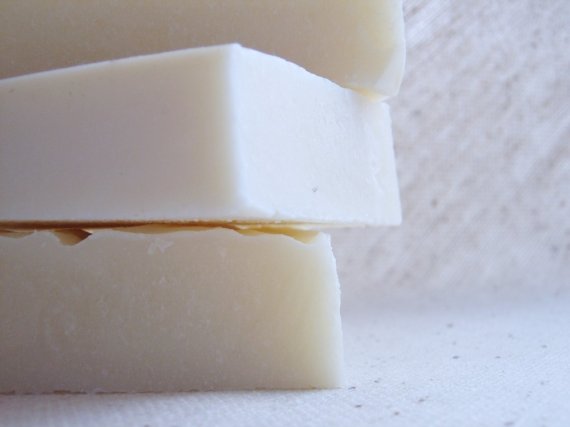
    Few things relax you more during pregnancy than a nice warm bath, with great soap that smells as wonderfully as it cleans. But not all soaps are created equal, particularly with regard to pregnant women. Nine Naturals formulated a pregnancy soap specifically for pregnant women with product development and testing by pregnant women.

    So what is the significance of a "pregnancy soap" when it comes to your beauty and cleaning routine?

    Many soaps on the market are inadequate for the pregnancy experience -- including increased hormones and stretching skin which can make your skin more sensitive and prone to irritation. Even more importantly, many soaps on the market can pose a risk to you and your baby during his most vulnerable stage of life. What you use to bathe can seep into your skin and bloodstream.

    During your pregnancy, it's critical to read the ingredients of soaps and body-washes. Choose all natural products formulated for pregnancy and lookout out for toxic chemicals like these.

    • Sodium Laureth Sulfate. This cheap and widespread cleaning agent is a popular ingredient for its foaming ability and simple production. SLS causes dryness and irritation in the skin. It is also absorbed very easily into the skin and can build up in organs like the brain and liver, causing long-term damage. Its harmful by-product, 1,4-dioxane, is classified as a carcinogen by the EPA.
    • Oxybenzone. Commonly found in sunscreen lotion as well as soap, this compound is used to help ingredients absorb more quickly into your skin. Its adverse effects include potential birth defects in male babies as well as cellular damage. Oxybenzone can also disrupt your body's hormones, possibly leading to a greater risk of certain cancers.
    • Triclosan (Microban). Previously celebrated as an excellent antibacterial, this ingredient is now associated with several harmful impacts on health. Triclosan can hinder the proper production of estrogen in your body during pregnancy, which can reduce blood and oxygen flow to the fetus and cause brain damage. It is common in soaps, lotions and hand washes.
    • Phthalates. You can find this chemical in large and diverse selection of products: children's toys, furniture, plastic toys, and soap (often listed as artificial fragrance). Scientific circles are currently debating the impact that phthalates can have on increasing the risk of asthma and obesity in children. A recent study published by JAMA confirms that phthalates exposure can increase preterm birth risk.
    • Artificial preservatives. This category includes chemicals like parabens, infamous for their hormone-disrupting qualities. Parabens have been used in cosmetic products (including pregnancy soaps) for decades, but not without controversy. There has been association of high paraben levels with breast cancer tumors, yet studies documenting this association have not proven it to be causal. Parabens may also wreak havoc on the endocrine system.

    There are high performance alternatives to chemical-laden pregnancy soaps: Nine Naturals Citrus + Geranium Body Wash. Formulated for pregnant women, it's all-natural, sulfate-free, and triclosan-free. It soothes itchy, dry, sensitive skin. It is a high performance soap that increases smoothness and suppleness in skin, combating stretch marks.

  • New Mom Seeks Other New Moms: How to Find and Form Your Own Mom Community

    Becoming a mom is a wondrous but challenging time and the support, information and camaraderie of other moms is crucial for most women. But it can be a challenge to find that community! You’re busy with a newborn and making new friends might feel like a chore.

    That's one of the reasons we love NYC-based Kidsy, which enables new moms to use the digital social world to find community in the physical world. We sat down with Michael Tai, one of the founders of Kidsy, and he told us about the many ways that his site facilitates fun and frequent activities for new moms ready to meet each other. Here’s a story from one of the Kidsy moms ... Melinda Chang.

    Screen Shot 2013-12-10 at 5.53.06 PM

    Isolation. That’s the word I would use to sum up my holidays last year. I was holed up in my apartment tending to a very demanding newborn. That holiday season was spent in tears (from both me and the baby!) and I was too concerned about feeding schedules, sleep training and poopy diapers to enjoy the holiday events taking place around us.

    I was the first among all my friends & family to have a baby. While my support network was amazing, I was going nuts and desperately needed to talk to other new moms. This holiday season, I have it together (mostly!) thanks in large part to an amazing community of moms. They have taught me so much and have supported me tremendously through this tough first year.

    Do yourself a favor and find a community of amazing moms in your area. Some advice that worked for me:

    1. Get out there. Yes, it seems daunting – especially when you’re sleep deprived and barely have enough time to shower, let alone get dressed and put on makeup. My husband had to literally push me out the door but the first time is always the hardest. It gets easier (and more fun!) with every outing, I promise. A great first and easy step would be a breastfeeding support group, a postnatal yoga class or a daily stroll around the neighborhood for some fresh air with the baby.

    2. Be bold & speak up. As an adult, you may not have acquired a lot of new friends apart from the ones you’ve acquired from school and work. In this new stage in life, you will probably find it easy to build bonds with other moms who are experiencing same things you are experiencing. But you have to speak up! Most moms are dying to talk about their kids and ask others about theirs so if you want to strike up a conversation with a mom, don’t be shy! Next time you walk to the coffee shop, speak to the other moms you see! As you get out more, new moms will seek you out, too.

    3. Multitask. Crave adult conversation and want to spend quality time with the little one? The best way is at other new mommy events. Go online and see what’s available in your area. A mommy friend first told me about Kidsy, a site that curates unique and exclusive family activities and events. It was a total lifesaver and, to this day, I still meet a ton of awesome like-minded moms at their super fun events. And my little one is now making friends too.

    4. Take leadership. Do you want to test out a new music class or explore a new park, but don’t want to do it alone? Try organizing an event with friends or use social networks like Kidsy to help you organize one for you. Chances are, if you want to try something out, there are plenty of other moms out there who want to try it out too!

    Happy holidays, ladies! Feel free to comment with any other tips!

    Melinda Chang lives in New York City with her husband and one-year old daughter. Special offer for Nine Naturals moms: get a free trial Kidsy membership athttps://www.kidsy.co/ninenaturals! Kidsy is a new family concierge service that curate unique family experiences and offers personalized activity recommendations.

  • Things We’ve Read – Week of November 17th

    697

    Chemicals in Plastics and Cosmetics tied to Early Births (Reuters): A new study finds that women who delivered babies before 37 weeks had higher levels of phthalates.

    Till Baby Comes, Keep Smiling (NYTimes): Ever wondered if pregnant women in ads are just skinny (non-pregnant) models with strap-on bumps? Turns out, there is demand and supply for real pregnant models.

    10 Foods Sold in the U.S. That Are Banned Elsewhere (OracleTalk): Many countries have policies against ingredients that are harmful to humans. This is a practical guide of what to avoid & why.

    Lifestyle Changes Could Reduce Risk' of Pregnancy Complications (MedicalNewsToday): A new study links lifestyle factors, including fruit intake in the months before pregnancy as well as socioeconomic factors, to certain pregnancy health outcomes.

    7 Natural And Effective Ways to Combat Pregnancy Insomnia (AllWomensTalk): Here are some simple ways to help you rest more easily while pregnant. We’d add tea and a warm bath (under 98 degrees Fahrenheit) to the list!

  • Greening Your “Clean” Routine! Using Safe Cleaners in the Home

    Think of the last ad you saw featuring a cleaning product - you probably heard promises of tough, grease-fighting powers and magical abilities to make soap scum, dirt and grime disappear.

    While we don’t dispute any of those claims, we posit that the price of such disinfecting far supersedes the price on the sticker.

    A danger for you, your baby and your family:

    According to a report by the EPA, the usage of commonplace household cleaning chemicals can create an indoor environment that is two to five times more polluted than outdoor air. And the indoor air we breathe is far from the full story.

    We are further exposed to these chemicals through touch, food and objects in our home. Our skin comes in contact with surfaces with residual chemicals - like a our dining room table or toilet seat. We also are exposed to chemicals through the food that touches those surfaces - like countertops, plates and food containers. Toxic chemicals in the air can absorbed by porous household objects, like furniture, pillows, rugs, clothing and stuffed animals, which prolongs our exposure.

    Especially if you are pregnant or have young children at home, the quality of air in your home, where most of your day is spent, is vital to the healthy development of your children.

    Think of your laundry detergent, liquid hand soap, dryer sheets and air freshener. All are powerful disinfectants. Here is some information about the chemicals that are both powerful disinfectants and also dangerous for humans – particularly babies in the womb. Some harmful ingredients in common cleaning products are

    • Perchloroethylene or “PERC”: Found in dry cleaning, spot removers and carpet cleaner, PERC is classified by the EPA as a “likely human carcinogen”. Certain states such as California have already taken measures to phase out the use of PERC in cleaners by 2023. The most telltale sign of PERC's presence is the chemical smell that lingers in your clothing after picking it up from the dry cleaners or in your carpet after a cleaning.
    • Triclosan: Found in “antibacterial” hand soaps and cleaners, triclosan is not currently known to pose any danger to humans; however, according to the FDA, studies involving animals have shown that triclosan alters hormone regulation. Furthermore, the American Medical Association recommends limiting the usage of anti-bacterial hand soaps containing triclosan because it may promote the growth of drug-resistant bacteria.
    • Ammonia: Because of its ability to keep windows and glass surfaces streak free, ammonia is a frequently used ingredient in surface cleaners. Ammonia emits a strong, distinct chemical smell that is corrosive and irritating to people who inhale it. If you must use ammonia, use it in well-ventilated areas, as inhalation of ammonia fumes in high concentrations may cause respiratory distress or failure. Parents with young children should be extra cautious when they use ammonia-based cleaners, as children have less lung capacity than adults and could more quickly succumb to the potential harmful effects of ammonia fumes.
    • Sodium Hydroxide: It’s found commonly in oven cleaners and drain openers. Also known as lye, sodium hydroxide is a heavily corrosive compound and can cause severe chemical burns to the skin and eyes if exposed. If inhaled, sodium hydroxide may cause a sore throat.
    • Synthetic Fragrance: Many cleaning supplies contain synthetic fragrances to mask the chemical smell of the product itself. The fragrances added to these cleaning supplies, much like fragrances found in cosmetics, contain allergens and phthalates. The presence of synthetic fragrances may potentially cause respiratory problems for individuals with asthma or allergies or contribute to serious health problems in the long term, such as cancer or reproductive difficulties. And “fragrance” is only one of the many potentially harmful ingredients found on the labels of cleaning products.

    A danger to the environment:

    The environmental impact of using conventional cleaning products is no more cheery than that of its affects on humans. Phosphorus, nitrogen, ammonia—all common ingredients found in commercial household cleaners—are listed by the Environmental Protection Agency as volatile organic compounds and as the worst environmental hazardous ingredients. After being rinsed down the drain or toilet bowl and traveling through miles of pipes, the chemicals resurface in bodies of water where they end up harming the aquatic wildlife, reducing the quality of water and contribute to local pollution.

    Greening your cleaning routine!

    So up until this point if you’ve “greened” your skincare regimen, your makeup routine, and your diet, that's great news! And now it’s finally time to start on greening your cleaning routine.

    Here are some tips!

    • Look for eco-friendly commercial cleaners. Look for cleaning supplies that have plant-based ingredients.Nine Naturals supports Dapple, Seventh Generation, Bon Ami, Earth Friendly Products, PlanetInc, Dr. Bronner's, Nature Clean & Eco-Me.
    • Avoid fragrances. Unless they’re derived from plant-based sources, avoid them. More often than not, the term “fragrance” will encompass phthalates. As we mentioned, synthetic fragrances may cause irritation to those with allergies and sensitivities. Look for fragrance free cleaners to take out the possibilities of you, or someone you love, suffering from
    • DIY! Your cabinets probably already have the ingredients to make much safer, and more environmentally friendly cleaning products. Checkout The Daily Green's list of Green Cleaning Recipes!
      • Use vinegar to your advantage. It works wonders not only in your food but also as a multipurpose household cleaner. Vinegar works as a glass cleaner, toilet bowl cleaner and stain remover. (Look here on how to prepare the vinegar.) Plus, it’s inexpensive—you can buy it in bulk at the supermarket for cheap.
      • Baking soda is an effective alternative cleaner. On a segment with the TODAY show, environmentalist Deridre Imus recommended practical green cleaning solutions, one of which was to sprinkle one’s carpeting with baking soda to prevent mold and curb bacteria growth.
      • Lemon juice battles tough stains. Use lemon juice to clean off tough water stains on your shower doors and chrome. You can also scrub your pots and pans with lemon for a nice, green clean.

    If you are unsure about the “greenness” of your cleaning products, visit EWG’s Guide to Healthy Cleaning Products.

  • Minimizing Toxins While Breastfeeding

    Breastfeeding provides a growing baby with numerous health advantages. Breastmilk’s natural ingredients include protein (whey, casein, and other baby-friendly proteins), fats, vitamins, and lactose, in addition to infection-fighting leukocytes (APA).

    If you are considering breastfeeding, it's a wonderful option. Science Daily, for example, discusses PSTI (pancreatic secretory tripsin inhibitor) which reinforces and strengthens the lining of newborns’ intestines. Leukocytes, which battle illness in babies, also only exist in breastmilk. Nursing could also go so far as to improve baby’s genes in ways that safeguard an infant’s immune system.

    However, it behooves moms and their babies to also understand that healthy nutrients aren’t all that can transfer via breastmilk from mother to baby. What you eat, drink, or use for your bodycare during pregnancy and nursing can contaminate your breastmilk and expose your baby to risk. Florence Williams, acclaimed author of “Breasts,” wrote in a 2005 NYT article about how toxins can transfer from mother to baby via the breastmilk. Women in their child-bearing years may have unknowingly developed a “chemical burden,” or buildup of harmful compounds:

    When we nurse our babies, we feed them not only the fats, sugars and proteins that fire their immune systems, metabolisms and cerebral synapses. We also feed them, albeit in minuscule amounts, paint thinners, dry-cleaning fluids, wood preservatives, toilet deodorizers, cosmetic additives, gasoline byproducts, rocket fuel, termite poisons, fungicides and flame retardants. -Williams

    This should not discourage mothers who wish to breastfeed - but rather should make them more judicious about their exposure to chemical toxins during pregnancy and nursing. What you put into and onto your body counts in the pursuit of a healthy body for both you and your baby. Keep that truth in mind when selecting which products to incorporate into your skincare and haircare regimens.

    Women should look after themselves during nursing as carefully as they do during pregnancy. Here are a few tips to accomplish just that, while avoiding exposure to toxins where possible:

    1. Use chemical-free, natural products. Research and stick to beauty lines such as our very own Nine Naturals.
    2. Read product labels closely. Learn how to recognize variations of harmful chemicals as phthalates and sulfates.
    3. Eat organic. Make organic food choices that optimize your nutrient sources and minimize chemical exposure, like pesticides.
    4. Steer clear of second hand smoke. You obviously know not to smoke at all while pregnant. Research also proves that cigarette and marijuana smoke can subject your infant to risk of SIDS and stunted growth and development.
    5. Avoid synthetic fragrances. They’re riddled with toxins and can enter your body through your respiratory system and through your skin.
    6. Inform your physician of any and all medications. From aspirin to acne cream, even the most innocuous medication can cause harm to your body and your baby’s body while nursing. Have a detailed discussion with your pediatrician and / or obstetrician to go over which meds are safest and which are risky.

    Want to learn more about preparing for breastfeeding? Read our Top 5 Tips on how to Prepare for Breastfeeding and check out our Nine Ways to Reduce Your Toxic Burden During Pregnancy.

    We wish you a wonderful experience with your newborn. As always, we encourage you to keep your body healthy through pregnancy, breastfeeding and beyond. Because taking care of yourself is the best thing you can do for your baby - especially during this special time in the baby's development.

1-10 of 18

Page:
  1. 1
  2. 2