

Posts Tagged ‘triclosan’

Why Pregnancy Soap?

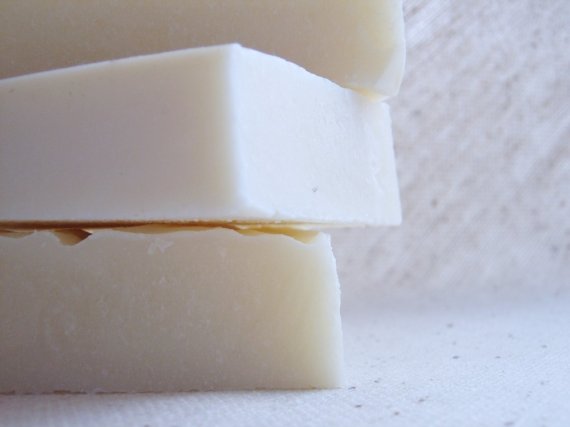
il_570xN.95375236

Few things relax you more during pregnancy than a nice warm bath, with great soap that smells as wonderfully as it cleans. But not all soaps are created equal, particularly with regard to pregnant women. Nine Naturals formulated a pregnancy soap specifically for pregnant women with product development and testing by pregnant women.

So what is the significance of a “pregnancy soap” when it comes to your beauty and cleaning routine?

Many soaps on the market are inadequate for the pregnancy experience — including increased hormones and stretching skin which can make your skin more sensitive and prone to irritation. Even more importantly, many soaps on the market can pose a risk to you and your baby during his most vulnerable stage of life. What you use to bathe can seep into your skin and bloodstream.

During your pregnancy, it’s critical to read the ingredients of soaps and body-washes. Choose all natural products formulated for pregnancy and lookout out for toxic chemicals like these.

  • Sodium Laureth Sulfate. This cheap and widespread cleaning agent is a popular ingredient for its foaming ability and simple production. SLS causes dryness and irritation in the skin. It is also absorbed very easily into the skin and can build up in organs like the brain and liver, causing long-term damage. Its harmful by-product, 1,4-dioxane, is classified as a carcinogen by the EPA.
  • Oxybenzone. Commonly found in sunscreen lotion as well as soap, this compound is used to help ingredients absorb more quickly into your skin. Its adverse effects include potential birth defects in male babies as well as cellular damage. Oxybenzone can also disrupt your body’s hormones, possibly leading to a greater risk of certain cancers.
  • Triclosan (Microban). Previously celebrated as an excellent antibacterial, this ingredient is now associated with several harmful impacts on health. Triclosan can hinder the proper production of estrogen in your body during pregnancy, which can reduce blood and oxygen flow to the fetus and cause brain damage. It is common in soaps, lotions and hand washes.
  • Phthalates. You can find this chemical in large and diverse selection of products: children’s toys, furniture, plastic toys, and soap (often listed as artificial fragrance). Scientific circles are currently debating the impact that phthalates can have on increasing the risk of asthma and obesity in children. A recent study published by JAMA confirms that phthalates exposure can increase preterm birth risk.
  • Artificial preservatives. This category includes chemicals like parabens, infamous for their hormone-disrupting qualities. Parabens have been used in cosmetic products (including pregnancy soaps) for decades, but not without controversy. There has been association of high paraben levels with breast cancer tumors, yet studies documenting this association have not proven it to be causal. Parabens may also wreak havoc on the endocrine system.

There are high performance alternatives to chemical-laden pregnancy soaps: Nine Naturals Citrus + Geranium Body Wash. Formulated for pregnant women, it’s all-natural, sulfate-free, and triclosan-free. It soothes itchy, dry, sensitive skin. It is a high performance soap that increases smoothness and suppleness in skin, combating stretch marks.
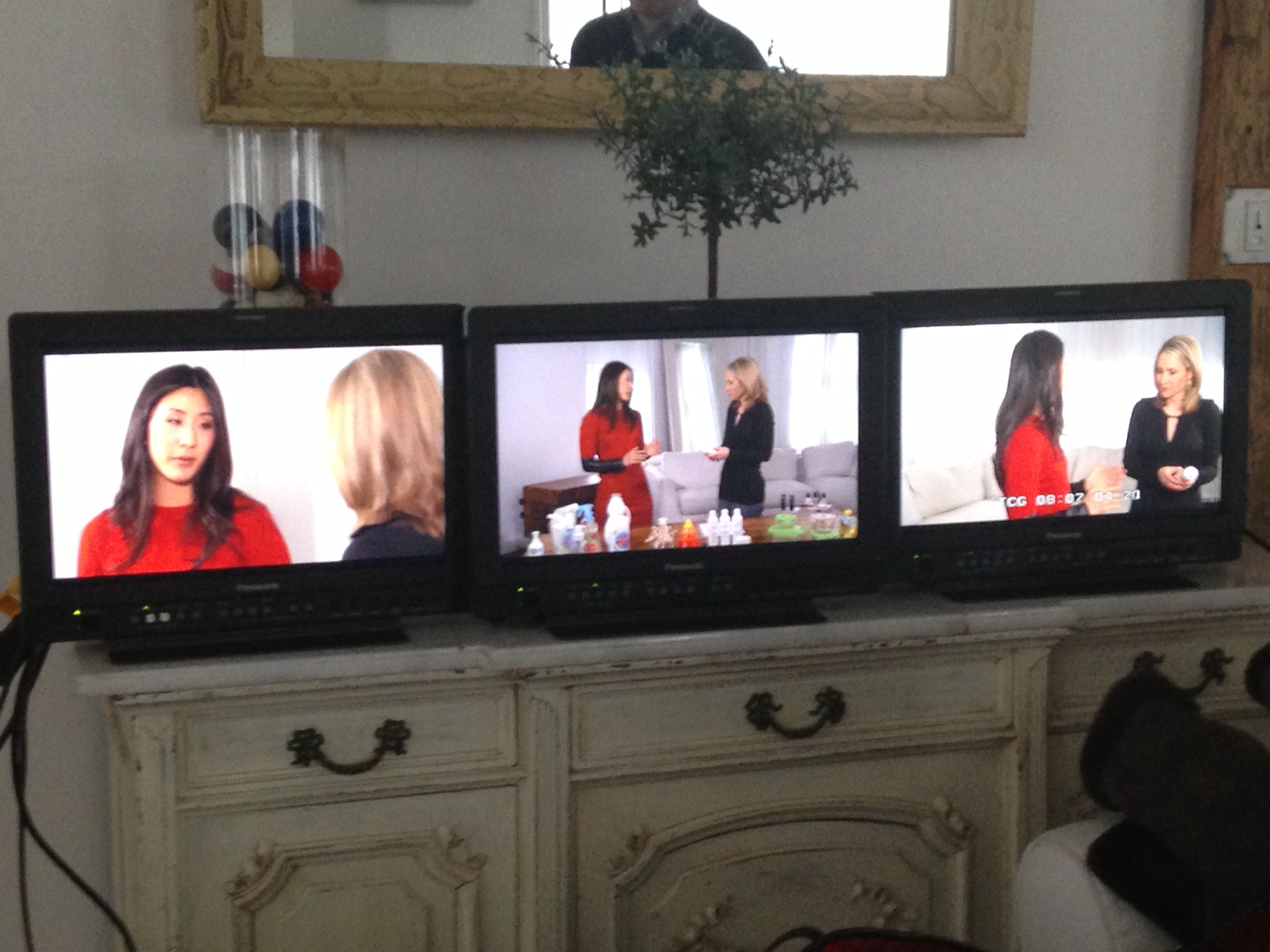
Greening Your “Clean” Routine! Using Safe Cleaners in the Home

Screen Shot 2013-11-20 at 4.55.52 PM

Think of the last ad you saw featuring a cleaning product - you probably heard promises of tough, grease-fighting powers and magical abilities to make soap scum, dirt and grime disappear.

While we don’t dispute any of those claims, we posit that the price of such disinfecting far supersedes the price on the sticker.

A danger for you, your baby and your family:

According to a report by the EPA, the usage of commonplace household cleaning chemicals can create an indoor environment that is two to five times more polluted than outdoor air. And the indoor air we breathe is far from the full story.

We are further exposed to these chemicals through touch, food and objects in our home. Our skin comes in contact with surfaces with residual chemicals - like a our dining room table or toilet seat. We also are exposed to chemicals through the food that touches those surfaces - like countertops, plates and food containers. Toxic chemicals in the air can absorbed by porous household objects, like furniture, pillows, rugs, clothing and stuffed animals, which prolongs our exposure.

Especially if you are pregnant or have young children at home, the quality of air in your home, where most of your day is spent, is vital to the healthy development of your children.

Think of your laundry detergent, liquid hand soap, dryer sheets and air freshener. All are powerful disinfectants. Here is some information about the chemicals that are both powerful disinfectants and also dangerous for humans – particularly babies in the womb. Some harmful ingredients in common cleaning products are

  • Perchloroethylene or “PERC”: Found in dry cleaning, spot removers and carpet cleaner, PERC is classified by the EPA as a “likely human carcinogen”. Certain states such as California have already taken measures to phase out the use of PERC in cleaners by 2023. The most telltale sign of PERC’s presence is the chemical smell that lingers in your clothing after picking it up from the dry cleaners or in your carpet after a cleaning.
  • Triclosan: Found in “antibacterial” hand soaps and cleaners, triclosan is not currently known to pose any danger to humans; however, according to the FDA, studies involving animals have shown that triclosan alters hormone regulation. Furthermore, the American Medical Association recommends limiting the usage of anti-bacterial hand soaps containing triclosan because it may promote the growth of drug-resistant bacteria.
  • Ammonia: Because of its ability to keep windows and glass surfaces streak free, ammonia is a frequently used ingredient in surface cleaners. Ammonia emits a strong, distinct chemical smell that is corrosive and irritating to people who inhale it. If you must use ammonia, use it in well-ventilated areas, as inhalation of ammonia fumes in high concentrations may cause respiratory distress or failure. Parents with young children should be extra cautious when they use ammonia-based cleaners, as children have less lung capacity than adults and could more quickly succumb to the potential harmful effects of ammonia fumes.
  • Sodium Hydroxide: It’s found commonly in oven cleaners and drain openers. Also known as lye, sodium hydroxide is a heavily corrosive compound and can cause severe chemical burns to the skin and eyes if exposed. If inhaled, sodium hydroxide may cause a sore throat.
  • Synthetic Fragrance: Many cleaning supplies contain synthetic fragrances to mask the chemical smell of the product itself. The fragrances added to these cleaning supplies, much like fragrances found in cosmetics, contain allergens and phthalates. The presence of synthetic fragrances may potentially cause respiratory problems for individuals with asthma or allergies or contribute to serious health problems in the long term, such as cancer or reproductive difficulties. And “fragrance” is only one of the many potentially harmful ingredients found on the labels of cleaning products.

A danger to the environment:

The environmental impact of using conventional cleaning products is no more cheery than that of its affects on humans. Phosphorus, nitrogen, ammonia—all common ingredients found in commercial household cleaners—are listed by the Environmental Protection Agency as volatile organic compounds and as the worst environmental hazardous ingredients. After being rinsed down the drain or toilet bowl and traveling through miles of pipes, the chemicals resurface in bodies of water where they end up harming the aquatic wildlife, reducing the quality of water and contribute to local pollution.

Greening your cleaning routine!

So up until this point if you’ve “greened” your skincare regimen, your makeup routine, and your diet, that’s great news! And now it’s finally time to start on greening your cleaning routine.

Here are some tips!

  • Look for eco-friendly commercial cleaners. Look for cleaning supplies that have plant-based ingredients.Nine Naturals supports Dapple, Seventh Generation, Bon Ami, Earth Friendly Products, PlanetInc, Dr. Bronner’s, Nature Clean & Eco-Me.
  • Avoid fragrances. Unless they’re derived from plant-based sources, avoid them. More often than not, the term “fragrance” will encompass phthalates. As we mentioned, synthetic fragrances may cause irritation to those with allergies and sensitivities. Look for fragrance free cleaners to take out the possibilities of you, or someone you love, suffering from
  • DIY! Your cabinets probably already have the ingredients to make much safer, and more environmentally friendly cleaning products. Checkout The Daily Green’s list of Green Cleaning Recipes!
    • Use vinegar to your advantage. It works wonders not only in your food but also as a multipurpose household cleaner. Vinegar works as a glass cleaner, toilet bowl cleaner and stain remover. (Look here on how to prepare the vinegar.) Plus, it’s inexpensive—you can buy it in bulk at the supermarket for cheap.
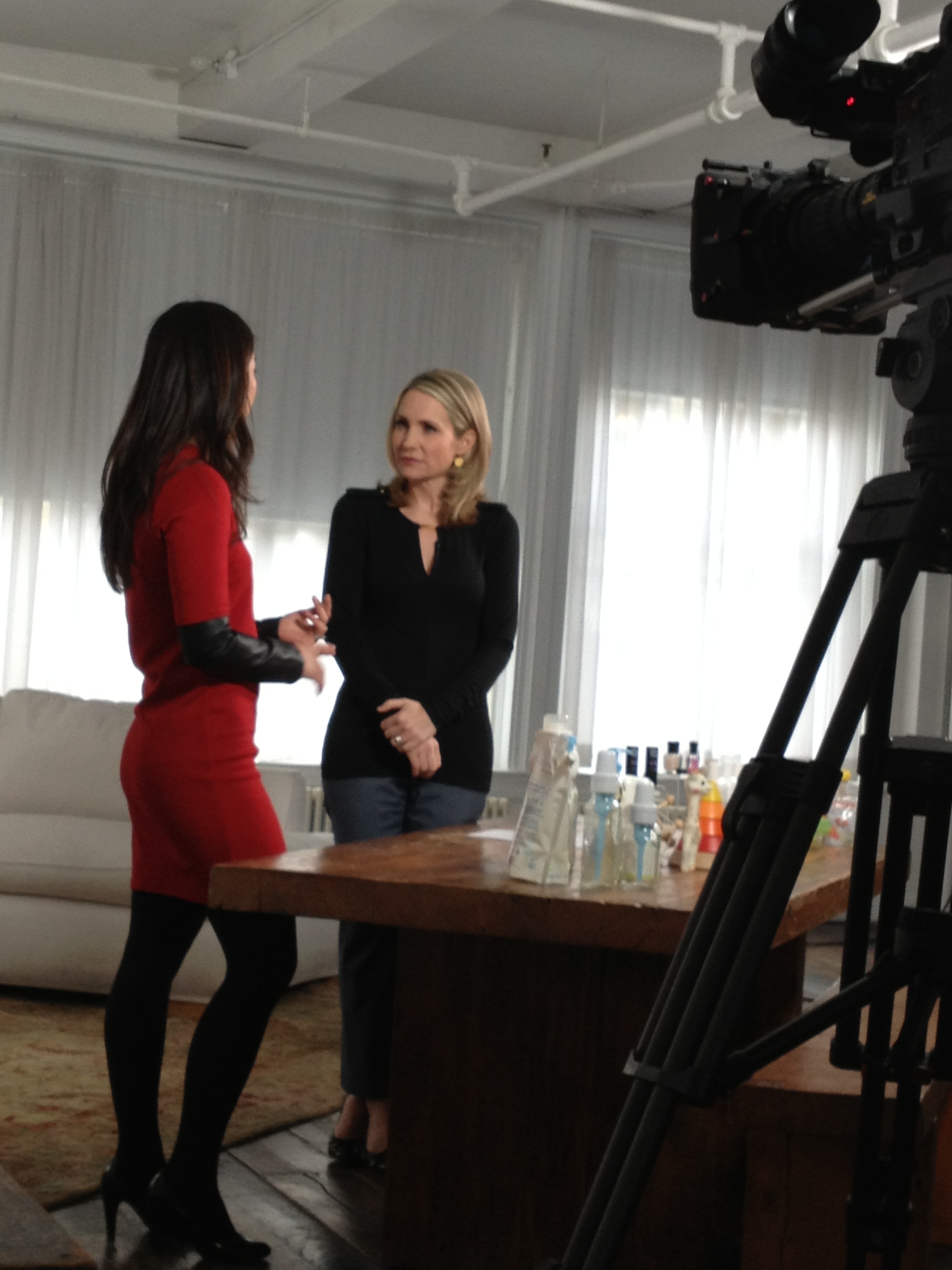
    • Baking soda is an effective alternative cleaner. On a segment with the TODAY show, environmentalist Deridre Imus recommended practical green cleaning solutions, one of which was to sprinkle one’s carpeting with baking soda to prevent mold and curb bacteria growth.
    • Lemon juice battles tough stains. Use lemon juice to clean off tough water stains on your shower doors and chrome. You can also scrub your pots and pans with lemon for a nice, green clean.

If you are unsure about the “greenness” of your cleaning products, visit EWG’s Guide to Healthy Cleaning Products.