Tag Archives: parabens

  • 5 Beauty Ingredients To Avoid During Pregnancy

    5 Beauty Ingredients To Avoid During Pregnancy 5 Beauty Ingredients To Avoid During Pregnancy

    A growing number of studies show that common chemicals in everyday personal care products, such as shampoo, makeup and moisturizers, are associated with developmental, reproductive and behavioral disorders, hormone disruption and cancer. That is why, during pregnancy or breastfeeding, women should especially avoiding synthetic chemicals. Here is our list of top 5 most harmful agents:

    Parabens are the most widely used preservative in cosmetics. Intended to stop the growth of bacteria in your products, they disrupt your endocrine system—chemicals that act like hormones and disrupt the reproductive system. They can build up in the body over time and have been associated with reproductive disorders in babies. That is why all Nine Naturals products are free of Parabens, Sulfates, and Phthalates.

    Sulfates are cleansing agents used to create soaps that foam and lather. Nitrosamines and 1.4-dioxane are the two primary culprits present within sulfates and have been labeled carcinogenic. Sulfates have also been shown to disrupt hormonal balance, incite reproductive and developmental problems and seriously pollute the environment. At Nine Naturals, we use a variety of citrus juice and oils--like those in our shampoos and conditioners--because they are natural cleansers that not only maintain your body’s natural balance, but helps improve move and reduce inflammation.

    Phthalates are found in a wide variety of personal care products, such as shampoos, conditioners and perfumes, and are often a component of fragrance in products. Exposure to phthalates is associated with hormone disruption, birth defects and endometriosis. Our Citrus + Geranium Soothing Body Wash will fill your shower with a fresh, floral aroma that not only calms you, but may even help alleviate pregnancy nausea!

    BPA is a chemical commonly found in plastics mostly used for containers. Recent studies have shown BPA to cause developmental disorders, such as cancer, ADHD and asthma, in fetuses when pregnant women interact with the substance. Make sure you look for bottles that are BPA-free, as these chemicals can seep into the products the bottles were intended to hold.

    Petrochemicals are made from natural gas liquid and crude oil often used in the manufacturing of plastics. What many people don’t realize is that petrochemicals are widely added to food, personal care products and household products. Because petrochemicals are known hormone disrupters and have been linked to causing many health problems, such as cancer, Nine Naturals’ moisturizing bodycare products only use non-toxic essential oils naturally-derived from plants.

    The prevalence of these toxic chemicals may be overwhelming, but don’t worry! Staying educated on what to avoid and what natural ingredients are better substitutes will make the journey to a healthier lifestyle much easier. Whether it’s upgrading your beauty routine--try 7-free nail polish and all-natural mascara--or simply switching to glass from plastic, feel at ease knowing that you are creating a healthier, safer environment for mommy and baby.

  • 3 Ingredients In Truly Natural Mascara You Need To Know

    What’s in your mascara? 3 Natural Ingredients in Honeybee Gardens' Truly Natural Mascara Now Available in the Nine Naturals Covet Shop

    Mascara is often filled with harmful chemicals, such as parabens, and potential carcinogens such as petroleum and tar. These toxic ingredients have adverse effects on not only your eyelashes, but also your overall health (studies have linked these chemicals to cancer and birth defects). In mascara, these chemicals can also have negative beauty effects by hindering lash growth and causing lashes to fall out!


    Fortunately, using these toxins aren’t necessary to achieve the beauty results you want. At Nine Naturals, we only believe in using all-natural and organic ingredients, instead of harmful chemicals, to enhance your natural beauty and our new addition to the Covet Shop--Honeybee Gardens' Truly Natural Mascara--is no exception. Here are some of the all-natural and non-toxic ingredients that make this mascara a moisturizing, nourishing, and water-resistant must-have in your makeup routine!

    SAW PALMETTO: The oil obtained by cold extraction of Saw Palmetto berries is used to promote hair growth. In Truly Natural Mascara, this ingredient nourishes eyelashes while helping them grow long and lusciously, giving you naturally mesmerizing lashes!

    CARNAUBA WAX: Almost completely exclusive to Brazil, the oil extracted from Carnauba Palm leaves is dried into a wax that is used in the Truly Natural Mascara. It is a natural thickener that doesn't clog pores, ensuring a smooth application for silky lashes. But it gets better! This mascara also softens lashes at the same time, leaving your eyelashes voluminous and clump-free!

    AVOCADO BUTTER: Rich in vitamins, proteins, and fats, avocado butter is the perfect ingredient for natural mascara. This holy grail moisturizer is high in powerful antioxidants that not only hydrate lashes but also keeps them soft even after makeup removal. That’s why we also put avocado oil in our Nine Naturals Citrus + Geranium Soothing Body Wash.


    In the case of Honeybee Gardens’ Truly Natural Mascara, quality is not sacrificed for purity. All-natural cosmetics not only keep your body healthier for you and your baby, they also effectively nourish lashes to help you look your best before, during, and after application. So embrace it--all-day silky eyelashes with natural volume and length!

  • Toxins In Unexpected Places

    Whether you’re a mom-to-be or a mom of three, keeping your home free of harmful chemicals is a top priority. Even if you’ve switched to organic produce, natural cleaning products, and BPA-free plastics, there could be toxins hiding in unexpected places. Don’t worry, Nine Naturals is here to help you keep your family happy and healthy. We’ve compiled a list of things to watch out for next time you’re at the store. Be sure to read labels closely, and keep an eye out for these ingredients.

    Sulfates In Toothpaste: You may have heard of sulfates in your shampoo, but did you know sulfates can also be found in your toothpaste? Sulfates, such as Sodium lauryl sulfate (SLS) and sodium laureth sulfate (SLES), are the ingredients that cause toothpaste to foam while you brush. They may reduce the amount of fluoride absorbed into tooth enamel, not to mention, they are carcinogenic, and have been shown to disrupt hormonal balance, incite reproductive and developmental concerns, and seriously pollute the environment. Opt for sulfate-free toothpaste, like Tom's Clean & Gentle Toothpaste and brush easy!

    Flame Retardants In Furniture: In theory, flame-retardants are meant delay the production of flames. Until the 1970s, TDCPP was the primary chemical used as a flame retardant in children’s clothing. While TDCPP can no longer be used in clothing, it is currently used in a variety of goods, including household furniture and children’s cribs. Several studies suggest that TDCPP may be carcinogenic, as well as a disruptor of early development. Review product labels carefully before purchasing products known to contain flame retardants. If you are unsure, reach out to the brand directly!

    Triclosan In Soap: We use antibacterial soaps, gels and wipes multiple times of day, especially during the winter. However, triclosan, an ingredient added to many soaps to prevent bacteria, may be harmful. Exposure to this synthetic pesticide has been linked to cancer, hormone disruption, liver damage, and other health problems. Switch to a regular or all-natural soap, like Nine Naturals Citrus + Geranium Soothing Body Wash and make sure to wash as often as possible. When washing your hands, 20 seconds of scrubbing is the most effective way to keep you and your family healthy!

    Parabens In Food: Before you indulge in that Sunday morning pancake breakfast or reach for that snack bar, take a closer look at the ingredients! Certain foods such as maple syrups, soft drinks, and frozen dairy products may contain parabens, which are synthetic, chemical preservatives used to inhibit the growth of bacteria, mold and yeast in products. You can locate them in the ingredient list, sneakily labeled under one of the following names: methyl-, ethyl-, and propyl-parabens. Studies have shown that parabens are hormone disruptors. They behave like estrogen in the body, thus, interfering with normal hormone functions, which can lead to developmental and reproductive complications. Reading labels carefully in the supermarket is the easiest way to eliminate parabens from your pantry.

    Parabens In Sunscreen: Speaking of parabens, don’t forget to look for them in your sun protection! While lathering up and protecting everyone from UVA/UVB rays is important, you should be using a natural sunscreen. However, not all sunscreens labeled “natural” or “free” are paraben-free. Navigate the complicated ingredient list by referring to the Environmental Working Group’s guide to sunscreen. The site grades the best and worst options available and provides an simple breakdown of all the ingredients listed. Try Nine Naturals SPF 32 Natural Sunscreen for a paraben-free option, fortified with Non-Nano Zinc Oxide. For more information on how to stay safe in the sun, check out Nine Naturals Busting Sunscreen Myths: Staying Safe Under UV Rays.

    Navigating a market full of toxins can be challenging and we need to take extra care to eliminate any harmful chemicals in our homes, but in the long run, it will keep everyone feeling their very best.

  • 5 Ingredients To Loathe And 5 To Love: An Interview With Nine Naturals Founder, Grace Lee

    Our Nine Naturals Founder, Grace Lee, was featured in FitBump360's article on which ingredients should be avoided and which should be embraced. Read the interview below!

    Article & Photo courtesy of FitBump360

    Grace Lee, founder of the natural hair- and bodycare brand Nine Naturals, knows just how it feels to, as a pregnant woman, stare down an aisle of products and cosmetics and feel utterly paralyzed. “It’s crazy that you basically need a degree in chemistry in order to understand what is on an ingredients label,” she says. To simplify things, we asked her a few questions to help get to the bottom of what we should and shouldn’t use—and why.

    Q: Let’s start with the bad stuff. What ingredients should we avoid?

    A: While pregnant or breastfeeding, we recommend avoiding synthetic chemicals, especially the five listed below. Why? A growing number of studies show that common chemicals in everyday personal care products, such as shampoo, makeup and moisturizers, are associated with developmental, reproductive and behavioral disorders, hormone disruption and cancer.

    • Parabens are the most widely used preservative in cosmetics. Intended to stop the growth of bacteria in your products, they are endocrine disruptors—chemicals that act like hormones and disrupt the reproductive system. They can build up in the body over time and have been associated with reproductive disorders in babies.
    • Sulfates are cleansing agents used to create soaps that foam and lather. Nitrosamines and 1.4-dioxane are the two primary culprits present within sulfates and have been labeled carcinogenic. Sulfates have also been shown to disrupt hormonal balance, incite reproductive and developmental problems and seriously pollute the environment.
    • Phthalates are found in a wide variety of personal care products, such as shampoos, conditioners and perfumes, and are often a component of fragrance in products. Exposure to phthalates is associated with hormone disruption, birth defects and endometriosis.
    • BPA is a chemical commonly found in plastics mostly used for containers. More importantly, BPA can seep into the product it holds. Recent studies have shown BPA to cause developmental disorders, such as cancer, ADHD and asthma, in fetuses when pregnant women interact with the substance.
    • Petrochemicals are made from natural gas liquid and crude oil and are used to create a slew of raw materials, including all plastics. What many people don’t realize is that petrochemicals are also added to food, personal care products and household products. Though widely used, petrochemicals are known hormone disrupters and have been linked to causing many health problems, such as cancer.

    Q: On the flip side, what natural ingredients should we shoot for?

    A: We believe in creating products that are not only safe and natural, but also high performing. Some of our favorite natural ingredients include:

    • Vitamin E: Isolated from vegetable oil, vitamin E works as an important antioxidant. It conditions and moisturizes skin and has been shown in studies to help prevent stretch marks when used during pregnancy. We use it in all of our skincare products.
    • Argan Oil: High in vitamin E and linolenic acid, argan oil is wonderful for moisturizing the skin and hair. Ours is sourced from a woman’s collective in Morocco. It is a prime ingredient in our Mandarin + Ginger Restorative Conditioner.
    • Broccoli Seed Oil: This oil is a natural replacement for silicone/dimethicone. It is an amazing emollient loaded with omega-9s that makes your hair and skin feel great. We use it in our conditioners and skin creams.
    • Cupuaçu Butter: Packed with an array of rich compounds, including omega-6 and omega-9 fatty acids and phytosterols, cupuaçu butter helps to balance skin’s natural moisture levels. We use it in our products that focus on restoring moisture in the skin and hair.
    • Coconut Oil–Derived Soaps: Soaps that are naturally derived from coconut oil are gentle cleansers that clean well without overdrying your skin or hair. We use them in our Citrus + Geranium Soothing Body Wash.

    Q: All great to know. Any parting words of wisdom for moms and moms-to-be interested in learning more about the products they use?

    A: My best advice is to find brands that they trust are maintaining high standards for developing products and that provide full transparency on their ingredients listings. They should start to read labels and begin to educate themselves on ingredients to avoid. The five I listed above are a good start since they are so ubiquitous among beauty products.

  • Top Cosmetic Chemicals To Avoid During Pregnancy

    A dash of makeup can be the perfect pick-me-up when you're pregnant, but are the products you're using safe for you and your baby? Women who use makeup daily absorb about five pounds of cosmetics through their skin every year, so it's a good idea to make sure women know what they're using. A growing number of studies raise concerns about the potential cancer-causing and hormone-disrupting effects of the most common chemicals in cosmetics and their effects on developing fetuses.

    Using Nine Naturals pregnancy safe haircare and bodycare products is an easy way to cut these chemicals out of your beauty regimen! To help you avoid these worrisome chemicals in your makeup too we've rounded up a list of the worst offenders.

    Parabens

    1. What Are They: Parabens are the most widely used preservative in cosmetics, intended to stop the growth of bacteria in your products. An estimated 75-90% of cosmetics contain them in low doses, but they build up in your body over time and with frequency of use. Parabens are endrocrine disruptors (chemicals that act like hormones and disrupt the reproductive system) and may cause reproductive disorders in babies as well.
    2. How To Spot On Labels: Parabens are listed with a prefixes such as propyl-, isopropyl-, butyl-, methyl-, ethyl- and isobutylparabens. Parabens are also lumped under the vague term fragrance as well (see below).
    3. Common Products: Make-up, moisturizers, hair care and shaving products.

    Phthalates

    1. What Are They: Phthalates are a common chemical plasticizer used as preservatives and fragrance-enhancers in over 72% of beauty products. Phthalates are considered a probable carcinogen by the World Health Organization and the U.S. Environmental Protection Agency.
    2. How To Spot On Labels: Phthalates are hard to identify, but look in ingredient lists for phthalates listed as DBP (di-n-butyl phthalate), DEP (diethyl phthalate) and fragrance/parfum.
    3. Common Products: Nail polishes, deodorants, perfumes and cologne, aftershave lotions, shampoos, hair gels and hand lotions.

    Fragrance/Parfum

    1. What Are They: Scents added to products. To protect trade secrets, companies are permitted by the FDA to withhold fragrance ingredients, so consumers can’t rely on labels to know what hazardous chemicals comprise these "fragrance" or "parfum" ingredients.
    2. How To Spot On Labels: Easy to spot, check ingredient lists for the terms fragrance or parfum.
    3. Common Products: Fragrance is in almost all personal care products, including cosmetics, skin care, hair care, deodorant, and more.

    1,4-Dioxane (can be listed as itself or included in PEG Compounds)

    1. What Are They: A chemical carcinogen, 1,4-dioxane is created when ingredients are processed with petroleum-derived ethylene oxide.
    2. How To Spot: Avoid products with the following ingredients: sulfates, myreth, oleth, laureth, ceteareth (or any other -eth), polyethylene, polyethylene glycol (or PEG), polyoxyethylene, or oxynol, or phenoxyethanol.
    3. Common Products: Products that create suds (such as shampoo, liquid soap, bubble bath), hair relaxers, others.

    PEG & PPG Compounds

    1. What Are They: PEGs (polyethylene glycols) are petroleum-based compounds that are widely used in cosmetics as thickeners, solvents, softeners, and moisture-carriers, commonly used as cosmetic cream bases. They also often contain the carcinogenic compound 1,4-dioxane (see above).
    2. How To Spot: Look for ingredients such as PEG, PPG, polyethylene, polyethylene glycol, polyoxyethylene, or oxynol, phenoxyethanol, myreth, oleth, laureth, ceteareth
    3. Common Products: Cream bases, foundations, moisturizers, hair products.

    Coal Tar Dyes

    1. What Are They: The most common synthetic colors in cosmetics and hair dye are made from coal tar. P-phenylenediamine is a particular coal tar dye used in many hair dyes. Darker hair dyes tend to contain more phenylenediamine than lighter hair dyes.
    2. How To Spot: Coal tar dyes will be labeled as FD&C or D&C, followed by a color (C.I) and a 5-digit number, such as CI 75000. Also look for aminophenol, diaminobenzene, phenylenediamine.
    3. Common Products: Lipstick, eye shadows, and any brightly colored cosmetics.

    Petroleum & Petroleum Distillates

    1. What Are They: Petroleum, aka crude oil, and its derivatives are in many of the cosmetic products we use every day. Mineral oil, petroleum jelly, and petrolatum are all common by-products and are all fossil-fuel-derived substances that make their way onto our medicine cabinet shelves.
    2. How To Spot: Look for ingredients such as Petroleum, petrolatum, mineral oil, petroleum oil jelly, propylene glycol, and isopropyl alcohol as well as Fragrance/Parfum (see above).
    3. Common Products: Lip gloss, lipsticks, foundations, mascaras, moisturizers, cleansers, shampoos, and hidden in Fragrance/Parfum in many others.

    DMDM Hydantoin & Bronopol

    1. What Are They: DMDM Hydantoin & Bronopol are cosmetics preservatives that decompose and release formaldehyde, which the International Agency on Research on Cancer lists as a known human carcinogen. Other applications of formaldehyde include production of resins used in wood products, vinyl flooring and other plastics, permanent-press fabric, and toilet bowl cleaners.
    2. How To Spot: Look for DMDM hydantoin, diazolidinyl urea, imidazolidinyl urea, methenamine, quarternium-15, sodium hydroxymethylglycinate.
    3. Common Products: Makeup bases, foundations, moisturizers, shampoos, hair conditioners, skin care products, moisturizers, bath products.

    Siloxanes

    1. What Are They: These silicone-based compounds are used in cosmetics to soften, smooth, and moisten. Siloxanes are classified as endocrine-disruptors and potential reproductive toxicants.
    2. How To Spot: Look for ingredients ending in "-siloxane" or "-methicone."
    3. Common Products: Lipsticks, lotions, hair care products.

    DEA-Related Ingredients

    1. What Are They: DEA (diethanolamine) and DEA-compounds are used to make cosmetics creamy or sudsy. Since one form of DEA (cocamide DEA) is mixed with coconut oil, some brands claim it's a "natural ingredient," but it is not. DEA is also used in oil refineries to "scrub" hydrogen sulphide from process gas emissions.
    2. How To Spot: Look for DEA (diethanolamine), cocamide DEA, lauramide DEA, MEA (monoethanolamide) and TEA (triethanolamine), coco diethanolamide, coconut oil amide of diethanolamine, lauramide DEA, lauric diethanolamide, lauroyl diethanolamide, and lauryl diethanolamide.
    3. Common Products: DEA is mainly found in creamy foundations, moisturizers, sunscreens. Cocamide and lauramide DEA are found in soaps, cleansers, and shampoos.

    Retinyl Palmitate & Retinol (Vitamin A)

    1. What Are They: These powerful substances, found in some antiaging moisturizers, are lauded for helping reduce wrinkles and improve skin tone. Excessive amounts of Vitamin A can cause severe birth defects if women are exposed during pregnancy. New evidence shows that when applied to sun-exposed skin, these compounds can break down and produce free radicals that can damage DNA and cause skin cancer.
    2. How To Spot: Scan labels for Retinyl palmitate and Retinol.
    3. Common Products: Lip products, foundations, daytime moisturizers, sunscreens.

    To look-up the safety of specific products, the Environmental Working Group's Skin Deep cosmetics guide is an invaluable resource.

  • The Health Impact of Endocrine Disruptors & How to Avoid Them

    At Nine Naturals we’re committed to providing you with the information you need to make safe and smart beauty choices. You may have heard the phrase “endocrine disrupting chemical” thrown around in ominous ways. Since these chemicals are certainly a cause for concern, we wanted to help you understand what endocrine disruptors are and how to avoid them.

    The Importance of the Endocrine System

    The endocrine system influences nearly 100% of our body – and instructs our long-term growth process from the cell level to the organ level. It is comprised of glands that produce hormones, the hormones themselves that travel through the body as messenger and then cell receptors in tissues in organs that receive those messages. Hormones maintain proper functioning of many bodily processes – including growth, reproduction, mood and metabolism.

    Protecting the proper functioning of your endocrine system is particularly important during pregnancy when a finely tuned balance of hormones regulates fetal development.

    How Endocrine Disruptors Affect Our Health

    Endocrine disruptors are chemicals that interfere with the normal functioning of the endocrine system. Endocrine disruptors can prevent our bodies from working properly by changing the behavior of hormones. They can also affect the production of hormones themselves causing similar disruptions.

    One of the most common ways endocrine disruptors can cause harm is by mimicking estrogen. For instance both, Bisphenol-A (BPA), which is found in many plastics, and parabens, which are widely used as preservatives in food and personal care products, have been shown to act in this fashion. This can impact both fertility and fetal development.

    Exposure to endocrine disruptors, particularly at developmentally vulnerable periods in a person’s life (including as a developing fetus or young child), have been associated with

    Birth Defects - including deformities and early-term births
    Developmental disorders - including ADHD, learning disabilities
    Reproductive development – including sexual development and fertility problems
    Childhood obesity
    Cancer- notably breast, liver and thyroid cancers

    Where Endocrine Disruptors Can Lurk

    First, consider a quote from this NIH study on EDCs in humans reflecting the prevalence of EDCs

    … a consumer who used the alternative surface cleaner, tub and tile cleaner, laundry detergent, bar soap, shampoo and conditioner, facial cleanser and lotion, and toothpaste (a plausible array of product types for an individual) would potentially be exposed to at least 19 compounds: two parabens, three phthalates, MEA, DEA, five alkylphenols, and seven fragrances.

    The most common endocrine disruptors are

    • Bisphenol A (BPA): These are common in consumer plastics like plastic food containers and the linings of canned food and formulas.
    • Parabens: A preservative found in personal care products. On an ingredients label, it is commonly listed with the prefix butyl-, ethyl-, methyl-, or propyl-.
    • Phthalates: A chemical found in plastics to help make them more flexible. Also used to hold fragrance in personal care products, perfumes and other products that include artificial fragrances.
    • Polybrominated diphenyl ethers (PBDEs): Extremely common in flame retardants – and banned in the EU, but still legal in the US. YES, PBDEs are the reason Nine Naturals and many other organizations warn parents about their children’s mattresses. PBDEs are also found in other consumer products like electronics.
    • DDT: These were common in pesticides in the early 20th century, but are illegal in most countries. DDC has persisted in the environment, however, and can be found glaciers, animals in the wild and other parts of the environment.
    • Polychlorinated biphenyls (PCBs): Largely banned now, PCBs were used in factories as industrial lubricants and coolants. Now they are unfortunately found in the environment due to factory run-off dating back to the 1970’s.

    Tips for Avoiding Endocrine Disruptors

    Here are a few key tips to reduce your exposure:

    1. Avoid using plastics as much as possible, particularly when it comes to storing food and beverages where chemicals from plastics can seep into what you eat and drink. Opt for glass and stainless steel containers.
    2. Use personal care products free of endocrine disrupting chemicals, such as Nine Naturals.
    3. Take the time to read ingredients labels. Purchase products from companies that disclose 100% of their ingredients. Apply this practice not only to personal care products, but also to household products and food.
    4. Be especially wary of fragrances in personal care products and household products. Avoid products that have the word “Fragrance” on their ingredient labels and do not disclose the components of their fragrance.
    5. Eat organic as much as possible to limit pesticide intake.

    At the moment the debate on how to regulate endocrine disruptors is still ongoing. This is why it’s important to both understand the ingredients in a product and to look for products free of chemicals when trying to minimize exposure. At Nine Naturals we pride ourselves in creating toxin-free, 100% plant-based products that are free of endocrine disrupting chemicals. We do the work, so you don’t have to worry.

    _________________________

    REFERENCES:

    Long-Term Effects of Environmental Endocrine Disruptors on Reproductive Physiology and Behavior. Patisual et al. Frontiers in Behavioral Neuroscience.

    Endocrine Disruptors and Asthma-Associated Chemicals in Consumer Products. Dodson RE, Nishioka M, Standley LJ, Perovich LJ, Brody JG, Rudel RA. National Institutes of Health.

    Endocrine Disruptor. Multiple. Wikipedia.

    Steroids and endocrine disruptors-History, recent state of art and open questions. Hampl et al. Journal of Steroid Biochemistry and Molecular Biology.

    Parabens. From Environmental Studies to Human Health. Bledzka et al. Environment International.

    Endocrine Disruption of the Epigenome: A Breast Cancer Link. Knower et al. Endocrine-Related Cancer.

    Phthalates impair germ cell development in the human fetal testis in vitro without change in testosterone production. Lambrot et al. Environmental Health Perspectives.

    Developmental neurotoxicity of ortho-phthalate diesters: review of human and experimental evidence. Miodovnik et al. Neurotoxicology.

    Transplacental Passage of Antimicrobial Parabens. Towers et al. Obstetrics and Gynecology.

    Low dose effects and non-monotonic dose responses for endocrine active chemicals: science to practice workshop: workshop summary. Beausoleil et al. Chemosphere.

  • Toxic Baby: The Kickstarter Campaign That Every Mom Will Want To Support

    TOXIC BABY

    A note from Nine Naturals founder, Grace: When I met Penelope Jagessar Chaffer, she was finalizing edits on her documentary Toxic Baby and I was pregnant with my daughter and working on the launch of Nine Naturals. I was struck by Penelope's unique gift for storytelling and breaking down complex scientific topics into easy-to-understand concepts. We became fast friends as ambitious, entrepreneurial women with the goal of educating women about the potential dangers of toxins. Through Penelope's new Toxic Baby app, families will have access to her amazing documentary that interviews the leading scientists in the field of environmental toxins as well as invaluable resources for making smarter consumer choices. We hope you can find ways to support Penelope and the Toxic Baby App by sharing the Kickstarter campaign with your friends and family and providing your donations. Learn more about Toxic Baby in Penelope's own words:

    I was pregnant with my first child and living in London ten years ago when I discovered that the number one preservative used in baby care products, parabens, is estrogenic and had been found intact in breast cancer tumors. Initially I found it hard to believe this could be true but when I saw the science study, I was absolutely horrified that this was happening and shocked that I didn’t know anything about it. I soon realized that parabens were the tip of the iceberg and that there were literally thousands of chemicals that scientists and doctors were alarmed about.

    As the first black, female director to be nominated for a British Academy Award, I decided that the best thing I could do was to make a film that features the science and shows how chemicals in the environment have the ability to affect the health and development of babies and children. My goal was to take the science out of the lab and put into the hands of parents and caregivers. It became imperative to me to illustrate how we are raising the most polluted generation of kids in the history of our planet, what the implications are for that pollution in terms of chronic childhood diseases, disorders and health conditions and all the amazing ways that we can actually address this. Because (and this is the bit that often gets lost) there are amazing companies and people innovating in this space and there is so much that we can do. We can only act however if we know that we need to.

    Once I made and started screening the film, it became clear that people wanted more information and our Q&A’s lasted well into the night. However, the limitations of the documentary format meant that there is only so much factual information a brain could take in before it feels like shutting down. At the same time, I did a TED Talk about toxic chemicals and children (I hold the record as the most pregnant woman to ever give a TED!) and I started getting an avalanche of emails about the issue. This drive to all the research and information I had to parents directly led to the idea of the interactive app. Having done several big interactive projects for the BBC, it occurred to me that as the filmmaker I needed to give the viewer a way to access the film and video material in a way that was conducive to their busy 20th century lives. It also felt cool to do in a totally, new innovative way. In doing so, Toxic Baby became the world’s first interactive documentary app for the iPad.

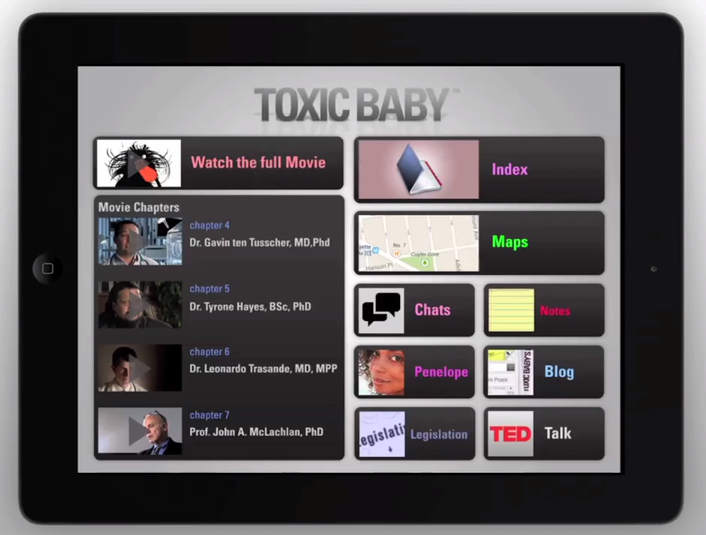
    The app is divided into 5 keys areas:

    1. Watch the film in its entirety, like any other film as a whole
    2. Watch the film and interacting with it to access extra animations, graphics, interviews and stories
    3. Check out the video index, which lists everything from autism to zinc as a moving image directory
    4. Check out the legislative section
    5. Check out the maps aspect, which lists known toxicity hotspots throughout the country

    This Kickstarter campaign seeks to fund the building of the app and which such an innovative and disruptive hybrid model. It is only through the Kickstarter that this app will be funded. Watch the video below to find out more:

    Toxic Baby App

    PENELOPE JAGESSAR CHAFFERPenelope Jagessar Chaffer is a multi award winning documentary filmmaker, writer, feminist, children’s environmental health advocate and global environmentalist. She is the first black, female director to be nominated for a British Academy of Film and Television Arts (BAFTA) award and was born in London, of Trinidadian parentage. She has won over 10 awards for her work with the BBC and Channel 4, including 5 gold national and international Promax awards and is a double BAFTA, Royal Television Society and Grierson (British Documentary Awards) nominee. The Observer newspaper in Britain has called her work “a joy to watch.” Penelope is a TED speaker and has been named one of the top 100 Green Online Influencers and is the Healthy Child Healthy World “Mom On A Mission.”

  • Nine Naturals Founder Grace Lee featured on 9Bliss!

    Screen Shot 2014-01-26 at 1.33.02 PM

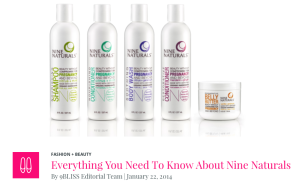
    Nine Naturals Founder, Grace Lee, sat down with pregnancy website, 9Bliss, to share her thoughts on parabens, pregnancy and how to make changes to your beauty routine. Read the interview below!

    With more and more research proving that harmful chemicals can cross the placenta during pregnancy, we are reminded how important it is to use natural beauty products when you’re expecting. And, with the polar vortex wreaking havoc on our hair again, we are also reminded how important it is that those products actually work. (No matter what they say, apple cider vinegar just isn’t a good substitute for conditioner.)

    Thankfully, there is Nine Naturals, the paraben-free beauty line designed especially for expectant mothers that can tame flyaways, too.

    We sat down with Nine Naturals founder, Grace Lee, to discuss her inspiration for the creation of a line of products that are proven safe for moms-to-be and their babies. Here’s what she had to say:

    Many of our readers are concerned about harmful chemicals in their beauty products. We hear about damaging “parabens” and “sulfates” all the time…so, let’s start with this: what IS a paraben? Why are they scary for pregnant women?

    Parabens are artificial, chemical preservatives used pervasively in cosmetic and some food products to inhibit the growth of bacteria, mold and yeast; as many as 75%-95% of cosmetic products contain parabens.

    Women should be cautious about exposures to parabens as scientific studies have shown that parabens act as hormone disruptors. That means, they mimic estrogen in the body and can thus interfere with normal hormone functions. During pregnancy, there is the potential for a pregnant woman’s exposures to parabens, ingested through cosmetic products, to be passed on to her unborn baby and therefore affect a baby’s health and development at one of the most critical stages in the baby’s life.

    This is why parabens and other artificial preservatives are among the many toxins that Nine Naturals wants to help all pregnant women remove from their beauty regimens. Nine Naturals products are completely free from parabens and other chemicals that can be potentially harmful to a baby and mother.

    If you take out the harmful ingredients in beauty products, do you take out everything that usually does the “beauty” work? What can you substitute for them?

    It is one of the fundamental tenets of Nine Naturals that our products meet a high standard for performance as well as health and purity. We use natural ingredients like broccoli seed oil as a replacement for silicone in our conditioners and organic cupuaçu butter – a butter rich in fatty acids and vitamins – as the base for our body cream, which moisturizes just as well as, if not better, than, synthetic lotions.

    There are a few areas of beauty where a healthy change to natural products should be accompanied by a healthy change in expectations. For instance, women may need to embrace their naturally wavy or curly hair and minimize the chemical treatments that keep their hair straight for months on end. A good rule of thumb: if it goes against the natural, genetic code of your hair, it’s probably not good for you.

    My recommendation is to start by looking for brands that have high standards of integrity for using the best and most natural ingredients possible. Once you find brands you trust, you can begin to test out the products and select the ones that you like the best.

    The ACOG (American Congress of Obstetricians and Gynecologists) just came out with an interesting report about toxins during pregnancy…how should this report change the way readers shop for beauty products while pregnant?

    In September of last year, ACOG made a groundbreaking announcement, This organization, which represents 90% of U.S. Board-certified OBGYNs,publicly recognized the risks environmental toxins pose to pregnant women and their fetuses. ACOG made an official recommendation to OBGYNS to caution their patients to avoid these toxins during pregnancy.

    Doctors are now acknowledging that there is sufficient scientific evidence that chemicals commonly found in products we use everyday have adverse effects on the health of our babies, particularly during pregnancy. We hope women and men will heed the advice of this respected organization and start educating themselves on chemicals, start learning to read labels and begin to shop smarter for products they use on themselves and their families.

    On the Nine Naturals blog, we provide great tips for shopping smarter and provide educational articles about ingredients in beauty products. It’s a great starting point for any woman looking to become better informed.

    Since the beginning of Nine Naturals, how has your relationship with beauty products changed? If you were pregnant today, how would your beauty regimen be different?

    Developing Nine Naturals products has been as much a personal education as it has been a professional one. Once I learned how potentially harmful the chemicals from common beauty products are to the health of babies and moms, my switch to natural products during pregnancy became a permanent lifestyle change. It was impossible for me to imagine reverting back to my pre-pregnancy beauty products.

    Though I am no longer pregnant or breastfeeding, my daughter is constantly in contact with me and the products I use on myself. If I give her a kiss on the cheek, I’m exposing her to the chemicals in my lipstick and if I hold her close to my chest, I’m exposing her to the fragrances I wear and the lotions on my skin.

    For women who are coming to natural products during pregnancy for the first time, I recommend making small, simple changes to start. For maximum impact with the least amount of effort, begin by switching out the products you use most frequently. Imagine if you substituted the shampoo you use everyday for one without toxins. With no major effort, expense, or sacrifice, you’ve just eliminated one regular source of exposure.

    I created Nine Naturals to facilitate these simple, impactful changes. Our haircare and bodycare products were developed to be natural, safe replacements for the products you use everyday – designed with performance, as well as purity, in mind.

  • Why Pregnancy Soap?

    il_570xN.95375236

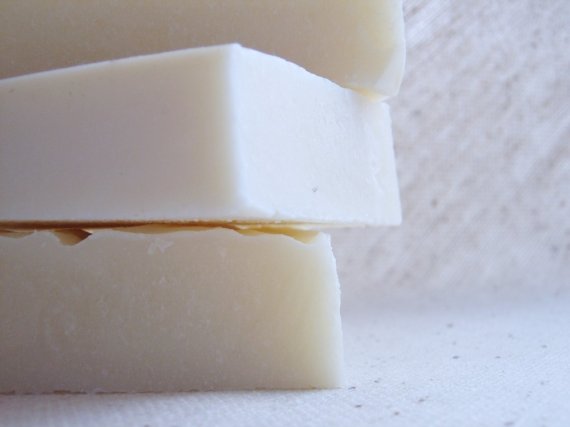
    Few things relax you more during pregnancy than a nice warm bath, with great soap that smells as wonderfully as it cleans. But not all soaps are created equal, particularly with regard to pregnant women. Nine Naturals formulated a pregnancy soap specifically for pregnant women with product development and testing by pregnant women.

    So what is the significance of a "pregnancy soap" when it comes to your beauty and cleaning routine?

    Many soaps on the market are inadequate for the pregnancy experience -- including increased hormones and stretching skin which can make your skin more sensitive and prone to irritation. Even more importantly, many soaps on the market can pose a risk to you and your baby during his most vulnerable stage of life. What you use to bathe can seep into your skin and bloodstream.

    During your pregnancy, it's critical to read the ingredients of soaps and body-washes. Choose all natural products formulated for pregnancy and lookout out for toxic chemicals like these.

    • Sodium Laureth Sulfate. This cheap and widespread cleaning agent is a popular ingredient for its foaming ability and simple production. SLS causes dryness and irritation in the skin. It is also absorbed very easily into the skin and can build up in organs like the brain and liver, causing long-term damage. Its harmful by-product, 1,4-dioxane, is classified as a carcinogen by the EPA.
    • Oxybenzone. Commonly found in sunscreen lotion as well as soap, this compound is used to help ingredients absorb more quickly into your skin. Its adverse effects include potential birth defects in male babies as well as cellular damage. Oxybenzone can also disrupt your body's hormones, possibly leading to a greater risk of certain cancers.
    • Triclosan (Microban). Previously celebrated as an excellent antibacterial, this ingredient is now associated with several harmful impacts on health. Triclosan can hinder the proper production of estrogen in your body during pregnancy, which can reduce blood and oxygen flow to the fetus and cause brain damage. It is common in soaps, lotions and hand washes.
    • Phthalates. You can find this chemical in large and diverse selection of products: children's toys, furniture, plastic toys, and soap (often listed as artificial fragrance). Scientific circles are currently debating the impact that phthalates can have on increasing the risk of asthma and obesity in children. A recent study published by JAMA confirms that phthalates exposure can increase preterm birth risk.
    • Artificial preservatives. This category includes chemicals like parabens, infamous for their hormone-disrupting qualities. Parabens have been used in cosmetic products (including pregnancy soaps) for decades, but not without controversy. There has been association of high paraben levels with breast cancer tumors, yet studies documenting this association have not proven it to be causal. Parabens may also wreak havoc on the endocrine system.

    There are high performance alternatives to chemical-laden pregnancy soaps: Nine Naturals Citrus + Geranium Body Wash. Formulated for pregnant women, it's all-natural, sulfate-free, and triclosan-free. It soothes itchy, dry, sensitive skin. It is a high performance soap that increases smoothness and suppleness in skin, combating stretch marks.

  • Minimizing Toxins While Breastfeeding

    Breastfeeding provides a growing baby with numerous health advantages. Breastmilk’s natural ingredients include protein (whey, casein, and other baby-friendly proteins), fats, vitamins, and lactose, in addition to infection-fighting leukocytes (APA).

    If you are considering breastfeeding, it's a wonderful option. Science Daily, for example, discusses PSTI (pancreatic secretory tripsin inhibitor) which reinforces and strengthens the lining of newborns’ intestines. Leukocytes, which battle illness in babies, also only exist in breastmilk. Nursing could also go so far as to improve baby’s genes in ways that safeguard an infant’s immune system.

    However, it behooves moms and their babies to also understand that healthy nutrients aren’t all that can transfer via breastmilk from mother to baby. What you eat, drink, or use for your bodycare during pregnancy and nursing can contaminate your breastmilk and expose your baby to risk. Florence Williams, acclaimed author of “Breasts,” wrote in a 2005 NYT article about how toxins can transfer from mother to baby via the breastmilk. Women in their child-bearing years may have unknowingly developed a “chemical burden,” or buildup of harmful compounds:

    When we nurse our babies, we feed them not only the fats, sugars and proteins that fire their immune systems, metabolisms and cerebral synapses. We also feed them, albeit in minuscule amounts, paint thinners, dry-cleaning fluids, wood preservatives, toilet deodorizers, cosmetic additives, gasoline byproducts, rocket fuel, termite poisons, fungicides and flame retardants. -Williams

    This should not discourage mothers who wish to breastfeed - but rather should make them more judicious about their exposure to chemical toxins during pregnancy and nursing. What you put into and onto your body counts in the pursuit of a healthy body for both you and your baby. Keep that truth in mind when selecting which products to incorporate into your skincare and haircare regimens.

    Women should look after themselves during nursing as carefully as they do during pregnancy. Here are a few tips to accomplish just that, while avoiding exposure to toxins where possible:

    1. Use chemical-free, natural products. Research and stick to beauty lines such as our very own Nine Naturals.
    2. Read product labels closely. Learn how to recognize variations of harmful chemicals as phthalates and sulfates.
    3. Eat organic. Make organic food choices that optimize your nutrient sources and minimize chemical exposure, like pesticides.
    4. Steer clear of second hand smoke. You obviously know not to smoke at all while pregnant. Research also proves that cigarette and marijuana smoke can subject your infant to risk of SIDS and stunted growth and development.
    5. Avoid synthetic fragrances. They’re riddled with toxins and can enter your body through your respiratory system and through your skin.
    6. Inform your physician of any and all medications. From aspirin to acne cream, even the most innocuous medication can cause harm to your body and your baby’s body while nursing. Have a detailed discussion with your pediatrician and / or obstetrician to go over which meds are safest and which are risky.

    Want to learn more about preparing for breastfeeding? Read our Top 5 Tips on how to Prepare for Breastfeeding and check out our Nine Ways to Reduce Your Toxic Burden During Pregnancy.

    We wish you a wonderful experience with your newborn. As always, we encourage you to keep your body healthy through pregnancy, breastfeeding and beyond. Because taking care of yourself is the best thing you can do for your baby - especially during this special time in the baby's development.

1-10 of 11

Page:
  1. 1
  2. 2