Posts Tagged ‘flame retardants’

Things We’ve Read: Week of March 17th

things we've read

Sorting Out the Risks of Fish (NYTimes): Eating fish during pregnancy is healthy for your baby’s brain development as long as you’re avoiding those fish that are high in mercury.

When a Placenta Tries to Kill a Mother (Atlantic): New information about how multiple C-sections can increase complications related to the placenta…

Ten Blog Posts Every New Mom Should Read (Stroller Traffic): Sometimes the only thing that can get a new mom through those tough days is knowing other moms feel exactly the same way. These 10 blogs do just that!

Two hormone-disrupting chemicals linked to more autistic behaviors (Environmental Health News): According to a new study, children exposed in the womb to higher levels of a flame retardant and a chemical in a banned pesticide exhibited slightly more autistic behaviors.

Pregnant? 5 Ways to Protect Yourself from Discrimination at Work (Huffington Post): We hope your workplace is friendly all around! But here are some tips if you sense any pregnancy discrimination.


This is Your Brain on Toxins: How Chemical Companies Are Threatening the Health of Our Children

Screen Shot 2013-10-20 at 12.40.21 PM

In a recent NYTimes op-ed, Nicholas Kristof likens the health threat from the chemical industry to the health threat of the lead industry and of the tobacco industry. He identifies several points of similarity:

  • Insidiousness of the threat – chemicals hidden in seemingly innocuous products like cosmetics and household cleaners
  • Enormity of the industry lobby to minimize regulation and defend profits, not consumers
  • Journalists behaving like lapdogs, not watchdogs
  • Scientifcally identified extent of harm these chemicals pose to our health

Just as the lead industry hoodwinked consumers into blind complacency before America finally wised up to its dangers, scores of scientists believe we are living through a similarly dangerous moment, the threat posed this time by endocrine-disruptor chemicals.

These harmful compounds are found in virtually every product – from cosmetics and plastics to toys and some furniture. Yet the fight to eradicate these chemicals has not gained nearly enough traction. Big chemical companies have yet to encounter more than an occasional attack against their harmful practices.

Arguably the most noteworthy counter-attack to the chemical industry took place last year, when the Chicago Tribune exposed the truth on flame retardants in furniture, especially in baby crib mattresses. (They pose a serious threat to our children’s health and don’t actually expel flames. Check out our summary of the major exposé here.)

Another significant push against chemical companies’ use of endocrine disruptors occurred with the angry-letter writing campaign this summer, in which noted scientific experts participated. Just what got these scientists riled up, and why should it anger you as well?

Bottom line: endocrine-disrupting chemicals could prove as detrimental to health as lead. Developing fetuses and children face particularly troubling risk from these chemicals. Do more than eat organic and avoid plastic water bottles. Fight to change regulation to force an end to the use of these chemicals. (NY Times)

Chicago Tribune Reports on Crib Mattress Safety

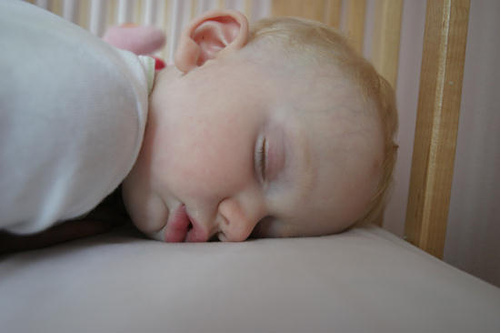
Caring for a child young enough to rest in a crib? Heed the cautionary findings in Chicago Tribune’s recent expose of dangerous chemicals found in several popular brands of baby cribs.

The feature focuses on “three popular brands of baby mattresses” in particular: Babies R Us, Foundations, and Angeles. The Tribune purchased and ran tests on 11 mattresses from these manufacturers for a group of chemicals called “chlorinated tris,” cancerous toxins that have been known to cause harm for so long that they were “removed from children’s pajamas a generation ago.”

One or multiple chlorinated tris appeared in every single mattress the Tribune’s lab tests analyzed for them. Toxicologists warn that these chemicals “could cause mutations in DNA” and other worrisome “illnesses and injuries” to children exposed to them.

Dissenters against the Tribune’s findings, such as mattress importer Summer Infant, argue that because these supposedly contaminated mattresses include “sealed impermeable plastic coverings” all over them, “there is no hazardous exposure to the cited flame retardants” that could harm children and worry parents.

But Duke University chemist Heather Stapleton cogently counters this with the clarification that chlorinated tris “can escape from mattresses any time air moves through them.”

If even a fully covered mattress bounces back after being pressed down, air — and potentially remnants of chlorinated tris — is escaping with every push. “All of the mattresses” assessed in the lab tests “could be compressed with little pressure before springing back to their original shape.”

The Tribune plans to engage in another bout of exhaustive testing to ascertain “the likelihood of a child experiencing any adverse effects” from chlorinated tris and other harmful chemicals.

In the meantime, we at Nine Naturals highly recommend: Clean and Healthy New York’s “The Mattress Matters.” This comprehensive document helps you navigate the risky waters of the mattress marketplace and making a safe purchase.

What chemicals and allergens should you most be concerned about in your kid’s mattress? Which companies reliably manufacture mattresses that are free of these toxins? How do you read a mattress’ label to determine its chemical safety? The report answers these and other key questions expertly and clearly.

Some of our personal favorite nuggets of wisdom from “Mattress Matters” include its “Summary of Mattress Materials” for virtually every manufacturer of note, as well as its pros-and-cons feature on common mattress components like vinyl and antibacterials.

We also appreciated its handy guide on avoiding “greenwashing,” a sneaky practice unscrupulous mattress makers use to dupe you into believing their product is environmentally friendly when it’s actually anything but.

How will research from Chicago Tribune and Clean and Healthy New York change how you shop for your own little one(s)?