Fitness

  • Expert Advice: Bone Broth

    This wonder food can improve every aspect of your baby-making, from preconception to pregnancy and postpartum.

    Article & Photo courtesy of Well Rounded NY

    Whether you are currently trying to conceive, pregnant or just gave birth to your precious little one, homemade bone broth should be like the best friend you talk to every day. Bone broth has been getting a ton of attention lately, especially here in NYC, and rightly so: it’s literally one of the most nutrient-dense foods we can consume. Loaded with every amino acid and mineral our body needs, along with protein, fat and collagen, it’s the ultimate almighty when it comes to improving health, digestion, immunity and fertility in every aspect–from preconception to conception to pregnancy to postpartum. Literally every part of the pregnancy journey can be supported by this wonder food.

    In my clinic, I actually call bone broth ‘baby glue.’ The collagen from bone broth works as an amazing tonic to not only improve a woman’s fertility when she is trying to conceive, but to hold her pregnancy once she does conceive.

    If you’re pregnant, the nutrients in this yummy broth are amazing for baby, and according to an ancient South American proverb, drinking bone broth regularly through your pregnancy will help ease labor pains! Lastly, when it comes to postpartum, bone broth is wonderful for regulating hormones, supporting ample milk production, helping your body heal from delivery and building back all the energy you put out during labor and delivery.

    As a women’s health and fertility expert who is a practitioner of Traditional Chinese Medicine (TCM), bone broth has been a part of my health optimizing protocol for over a decade. I use bone broth as the cornerstone of my fertility-enhancing protocol because it has an ability to improve not just hormonal health but also the quality of egg (and sperm).

    In addition to using acupuncture and Chinese medicine to restore my clients’ health and fertility, I also guide my patients to overhaul their lifestyle—nutritionally, emotionally and physically. In TCM we see animal products, particularly the bones, as providing not only imperative nutrients for the body but supplying us with what we call Jing. Jing, in TCM is kind of like the fountain of youth. When we begin to run out of Jing, we age faster than we should. Alternatively, when we have plenty of Jing our health is vibrant, our skin is radiant and we age at a much slower pace. I mean, who doesn’t want to age more slowly?

    Get on the bone broth wagon and not only slow down your aging process (and improve the quality of your hair, skin and nails) but also preserve your fertility.

    Why bone broth?
    Let me break it down. When one cooks down the skin and bones of an animal into a broth (I usually use a whole pastured organic chicken as it’s bit easier to work with), the nutrients—namely fat, collagen, protein and minerals like calcium, potassium and magnesium—seep out into the broth making it a rich, nutrient dense and fertility-boosting concoction. Bone broth also helps improve digestion, boost the immune system, strengthen bones, teeth and joints, nourish hair, skin and nails, balance the thyroid and combat the toll stress takes on the body.

    Clinically, I have seen a dramatic increase in the fertility of my patients who are compliant and drink a cup of bone broth daily. And, for myself—I got pregnant with ease at the age of 40 and think that my daily bone broth consumption had a lot to do with it!
    It’s not as hard as it sounds

    I know many of you are saying, “I don’t have time to cook this!” Aha! I assure you it’s really not that much time. Yes, the soup needs to cook down for about 8-12 hours, but prep time is literally 30-45 minutes all in. And, one batch will make at least a 3-4 week supply of broth. Personally, making homemade bone broth is one of my favorite things to do—in the hectic-ness of life, it really slows me down. Cooking this concoction feels nourishing, therapeutic and really, really good for my soul.

    My favorite bone broth recipes can be found here. I have adapted these recipes from the book Nourishing Traditions by Sally Fallon.

    But, actually, before you link to the recipes, here are 5 secrets to making good bone broth:

    1. Use the highest quality of bones you can find — bones from grass-fed animals ONLY.

    2. One hour before cooking, add vinegar to the stock pot (or slow cooker) full of water and bones to draw the minerals out of the bones into the broth.

    3. For a more robust taste, roast and brown the bones in the oven before adding them to the stock. Do this especially if you’re using beef bones. When I use a whole chicken, I don’t typically roast it.

    4. Always used filtered water and cook slowly for 8- 12 hours. The longer you cook the bones the more medicinal value you will receive from them. Be mindful that more water will have to be added due to evaporation.

    5. Be in the moment when you’re making it and see the process as a therapy in and of
    itself.

    You deserve a daily dose of bone broth! Happy cooking!

    Get more tips on how to naturally improve your fertility here.

    This article is by Aimee Raup, courtesy of Well Rounded NY. Conceived with love by former magazine editors Jessica Pallay and Kaity Velez, Well Rounded NY aims to be the singular pregnancy resource for city-savvy moms-to-be. Through reviews, profiles, expert Q&As, local guides and more, Well Rounded curates the New York City pregnancy and helps its readers come to terms – and term! – with pregnancy in the city.

  • Well Rounded NY: Food Diary Of A Pregnant Nutritionist

    Health and nutrition expert Stephanie Middleberg gives us her weekly report.

    Article & Photo courtesy of Well Rounded NY

    Whether you were obsessed with food before pregnancy or never gave it a second thought, once baby’s on the way, nutrition becomes a daily (if not hourly) topic. What’s healthy? What’s safe? What’s not going to make me want to throw up? Which is why we can’t be the only ones curious about what one of our fave NYC nutritionists, Stephanie Middleberg of Middleberg Nutrition, is eating during her own pregnancy.

    Now 5.5 months pregnant, Middleberg says she initially gave into her early pregnancy cravings to quash nausea, but regretted relaxing her standards. “Many women consider pregnancy a time to eat whatever they want and give in to their cravings to readily, especially in the very beginning,” she says. “My best piece of advice nutritionally is to try to get veggies and protein in early on. Quality really does matter.”

    Living in NYC can also up the health quotient when it comes to pregnancy. “Having to walk everywhere truly makes you stay active. You’re always moving here, even when you’re on transit or going up and down stairs. And in New York, we have everything! The diversity of food options is unbeatable, and there’s a gym or class on almost every corner.”

    Take a peak into what a week in her pregnant nutritionist life looks (and tastes!) like. Then head on over to our Instagram feed where you can catch her #WRNYInstaTakeover…and ask her all your pregnancy and new mama nutrition questions!

    MONDAY
    Breakfast. I love breakfast! It’s a meal I never try to skimp on. But since I’m typically out the door by 6:30/7am I need to prepare everything the night before. These little egg frittatas are super easy and are perfect to grab and go. I make them the night before and they can get me through half the week. They are a great source of easy protein and I like to add some spinach for added fiber and calcium. Just whisk a few eggs together pour them into parchment paper lined muffin tin, bake at 375 for 15 minutes (or until puffy) and voila breakfast of champions!

    Sushi. Team meeting office lunch! I’ve heard one of the most missed foods during pregnancy is sushi and man they are right! Thank god for Beyond Sushi, tricks me just enough to satiate that craving. It is solely focused on making vegetarian sushi rolls and it is not only delicious but also beautiful. There are two locations right now in NYC and one is near my office. My favorites are the Nutty Buddy, the Spicy Mang and the Mighty Mushroom rolls.

    Pilates. Monday evenings I do Pilates. For me, it has been one of the best exercises before and during my pregnancy. Since I ruptured a disk in my back a few years ago (and have had friends with back issues through their pregnancies), I’ve been very careful to make sure my back (and surrounding muscles) are strong. At the end of a long day, it really helps my alignment and gives me space where I feel especially tight. Working with Chrissy has been incredible. I’m also wearing my favorite maternity workout brand FitBump who I also consult with.

    TUESDAY
    Beauty Indulgences. Thanks to the lovely Sakara Life (one of my favorite meal deliveries) girls who sent these Tata Harper goodies to me as a beyond generous gift. I am now obsessed with their products (eye cream, exfoliate face wash). They are all natural, non-toxic and have the most gorgeous packaging!

    Infused Water. I got this awesome Ball Infuser water bottle at an event I went to a month or so ago with the Olympic Volleyball Gold Medalist Gabby Reece (who is my new favorite person). This has been a huge help as it’s easier to get dehydrated while pregnant and the infuser allows for the addition of delicious fruits, veggies and herbs. Today I filled the infuser with mint, lime and cucumber. Extremely hydrating and delicious! We also made ice cubes with these herbs and provide infused filtered water to our clients.

    WEDNESDAY
    Nails. Spring is in the air (well, sort-of) and I love Obsessive Compulsive Cosmetics. I stumbled upon them one night on the Lower East Side and feel in love immediately. It’s 100% vegan, non-toxic and is just as good as any mainstream brand out there in terms of color and longevity.

    Café Clover. I am part of a “Kale Club” (eye roll I know) with some girlfriends and tonight we had our first “baby” kale dinner (two of us are pregnant and due 3 days from each other and delivering in the same hospital—crazy!). It’s just a fun excuse to go out to eat at healthy spots in the city. Tonight we went to Café Clover, which is by far my new favorite healthy restaurant. The food is delicious, fresh and simple. I loved their beautiful crudité platter and the fish entrees as well as this yummy mocktail, called the superhero (pomegranate, blueberry, elderflower, Echinacea, lemon) they made.

    THURSDAY
    Workout. I sit so much during the day with clients and I’ve started to feel uncomfortable. Since I can’t stand with my clients, my husband suggested I sit on an exercise ball, so I ordered one…just the wrong size. Fail.

    Smoothies. When I moved into my new office in January 2014 what most excited me was the opportunity to have a real test kitchen and the centerpiece of that is the smoothie bar! I love bringing clients there and experimenting with all different types of ingredients and recipes.

    FRIDAY
    Cashew Milk. I am lactose intolerant and always searching for dairy alternatives. Today, I’ve decided to make my own cashew milk. It’s super easy. Simply soak raw cashews for at least 4 hours (I did it over night) and then blend with water and some flavors (I used vanilla extract, sea salt, cinnamon + a little maple syrup). The taste and texture and nutrition (great source of magnesium, iron and zinc) are better than most store brands. Although, I definitely do not make my own all the time. Next up, I want to make sesame seed milk.

    Dinner. This is a Friday night staple and one of my biggest cravings! It has always been my favorite meal especially when I was a kid and it’s been a perfect comfort food to cook on these busy frigid weeks. (My husband put this plate together to take the picture, I then added double the portions!)

    SATURDAY
    Barre Class. My other favorite pregnancy exercise are barre classes. There’s a studio right around the corner from us in Brooklyn Heights, Xtend Barre, and it’s become a Saturday morning ritual. Perfect cleanse from the work week and a way for me to feel relaxed for the weekend.

    Lunch. My husband and I are just back from our babymoon in Mexico and have been missing the fresh fish so we decided to try out Greenpoint Fish & Lobster Co. It is phenomenal! I was able to get my fish taco’s and purchased some wild fish on our way out. This is by far the best quality fish I have found in a while. They are working on a delivery service so stay tuned….

    Tea Time. On our way home, we stopped off at Matcha Bar in Williamsburg, which I recently featured here. You know a trend is at its peak when there is a dedicated store in Brooklyn, and since it has double the antioxidants than green tea, its one I can get behind…We both had Matcha Lattes and for a little sweet treat Matcha donut holes and macaroons.

    This article is by Jessica Pallay, courtesy of Well Rounded NY. Conceived with love by former magazine editors Jessica Pallay and Kaity Velez, Well Rounded NY aims to be the singular pregnancy resource for city-savvy moms-to-be. Through reviews, profiles, expert Q&As, local guides and more, Well Rounded curates the New York City pregnancy and helps its readers come to terms – and term! – with pregnancy in the city.
  • Well Rounded Wellness: Baby Colds

    5 natural ways to help infants beat the common cold

    Article & Photo courtesy of Well Rounded NY

    One of the worst things in the world is to watch your kiddo get sick. The runny nose, coughing, and low grade temp can be especially heartbreaking when it happens to an infant. Since cold medicine is unsafe (and even dangerous) for babies, most new moms aren’t sure what can be done to ease their discomfort.

    While hand washing, avoiding crowded areas, and staying hydrated can lessen your baby’s chances of getting ill, there are a few natural remedies that can be added to your mommy arsenal to shorten a virus or avoid it all together.

    Elderberry
    Elderberry is a plant with a myriad of uses. Most commonly found in natural cough syrups or supplements, elderberries contain flavonoids which can reduce inflammation and boost the immune system. Dr. Joseph Malak of Bambini Pediatrics, a holistically centered practice in Poughkeepsie, NY says, “For winter colds and flu-like illnesses, we like concentrated elderberry extracts. We are comfortable recommending short-term use of alcohol-free preparations down to two months of age.” The benefits are heightened when taken within 24-48 hours from when symptoms begin. Luckily many options taste kid friendly and won’t make your little one run and hide.

    Vitamin D
    Missing out on those warm rays of sun may be part of the reason why so many of us get sick during the winter. The sun is the only thing in nature that produces Vitamin D. Those who are deficient miss out on its ability to fight off microbial infections. Dr. Eden Fromberg of SOHO OBGYN states, “Vitamin D is necessary for over 3,000 gene expressions and is a deficiency risk in breastfed infants whose mothers are also deficient. My approach as an OBGYN is to test and supplement maternal vitamin D, and many pediatricians are supplementing babies,” Dr. Malak adds, “We generally recommend 1000 units of D3 daily for toddlers, 2000 daily for elementary school-agers, and 4000-5000 daily for teens.” Luckily just a few drops of a vitamin D supplement can have your baby armed and ready for the rough season ahead.

    Humidifier
    We all know how dry the air is during the winter months. Using a cool misting humidifier in your nursery is a simple way to keep those little noses moist and free of congestion. Though essential oils shouldn’t be used on babies under 3 months, adding 5 drops of eucalyptus or tea tree oil to the humidifier will help open tight airways, allowing you and you baby much needed sleep. If you don’t have a humidifier, try sitting with your baby in your bathroom after running a hot shower.

    Saline and Aspiration
    Though most babies won’t be keen on having anything up their nose (prepare for some tears) this is one of the simplest ways to help them breathe more comfortably. First mucus can be loosened by using saline drops or spray. Then once it starts to run, you can clear their nasal passages with a bulb aspirator or the handy-dandy Nosefrida.

    Breast milk
    In their eyes, nose, or mouth, breast milk can be your sweet babe’s first defense against pesky colds and flus. Not only can it be used to hydrate and nourish your baby, but its antimicrobial properties work just as well at clearing their nose or stopping a viral eye infection. “The antiviral, anti-bacterial, immune promoting benefits of breast milk have been studied extensively and are not confined to feeding, as breast milk has long been used by mothers to safely treat their infants’ ocular and nasal symptoms”, says Dr. Fromberg. One of coolest things about mama’s milk is that if your baby does get sick, his/her saliva will tell your body what kind of antibodies they need and your milk will produce them! Yup, your boobs are super smart.

    This article is by Nacia K. Walsh, courtesy of Well Rounded NY. Conceived with love by former magazine editors Jessica Pallay and Kaity Velez, Well Rounded NY aims to be the singular pregnancy resource for city-savvy moms-to-be. Through reviews, profiles, expert Q&As, local guides and more, Well Rounded curates the New York City pregnancy and helps its readers come to terms – and term! – with pregnancy in the city.

  • Breaking it Down: Measles Vaccinations

    Pediatrician Dr. Jennifer Trachtenberg helps new moms navigate the NYC vaccination landscape.

    Article & Photo courtesy of Well Rounded NY

    As moms, we all want to do the best we can to keep our children safe and healthy. But with all the information out there–and in many instances, misinformation–doing our best can get confusing. When it comes to vaccinating our children against measles, though, we can’t afford to be confused. After near eradication, there’s a sharp rise in reported cases of this potentially deadly disease, and those who cannot take the vaccine–including young infants and pregnant women, among others–are at risk. Especially in areas where pockets of the population are purposely opting against vaccinating their children. Like New York City.

    To put some clarity back into the conversation, we turned to Dr. Jennifer Trachtenberg, pediatrician at Carnegie Hill Pediatrics in NYC and co-founder of Baby Bundle App. Below, Dr. Trachtenberg guides new moms on talking to their doctors (and friends) about vaccinations, and arms you with the information you need to keep your baby–and everyone else’s–safe and healthy.

    There have been cases of measles in the past. Why is this particular measles outbreak so noteworthy?
    Measles is extremely contagious, so much more so than, for example, chickenpox. If you are not vaccinated or had the disease already and you are in the air space of someone who is contagious, then you are very likely to develop measles. They do not have to sneeze or cough directly on you–the measles particles stay circulating in the air for a very long time.

    It’s important that this issue receives a lot of press because parents need to understand that measles was considered eliminated from the United States, then last year there were about 600 cases. This year, with the Disneyland outbreak, we are up to about 100 cases, and it’s only February! In addition many people may be unaware that measles is contagious about 4 days before the sick individual even shows any signs or symptoms of the disease, leading to a lot of people being exposed. If you are unvaccinated and around someone who is contagious with measles, you have a 90 percent chance of getting the disease. That’s super high.

    How or why is it particularly relevant in NYC where we have a larger population of affluent parents not vaccinating?
    In areas where there are pockets of children that are not vaccinated, there runs the risk of a greater spread of the disease. California was the epicenter of the current outbreak at Disneyland; however, due to visitors from all over the U.S., the infection has spread to other states such as Arizona, New York and Utah. In addition, international travel contributes to cases being brought back into the U.S. In 2013, the largest outbreak occurred in NYC. None of the patients had documentation of vaccination, and of those that were eligible for the vaccine, 67 percent had parental objection because of religious or philosophical beliefs.

    What’s the timing of the measles vaccination? Why might someone delay the vaccination? Can a child still get the vaccination if he or she is sick?
    In general, the first MMR (measles/mumps/rubella) is given between 12-15 months, and then a second dose given between 4-6 years of age. However, it is ok to give the second dose any time after 28 days from the first dose.

    The American Academy of Pediatrics strongly recommends vaccinating children on time to protect all children, as some have medical reasons that the vaccine cannot be given to them. A person should not get the vaccine if they have had a severe allergic reaction (anaphylaxis) after a previous dose, or if a child has a severe immunodeficiency disorder, cancer, HIV, is on chemotherapy or has severely low blood count. Also pregnant women should not get the vaccine. If a child is acutely very sick, for example with pneumonia or a flu with fever, you can delay your vaccine until the child is well. However an illness like the common cold is not a reason you would need to delay getting the vaccine.

    How can I find out how my own doctor handles vaccinations? What are some of the policies out there and why are they so different?
    The best way to find out about your doctor’s procedures on vaccinations is to speak to them directly, just as you do about any other health or parenting question you may have about your child. As a pediatrician, it’s my job to educate and relay the facts to parents so they can understand why vaccinations are so important to the health of our children. There is no specific policy regarding how a practitioner decides to deal with those that decide not to vaccinate their children so this is a conversation you should have with them.

    My child already got the vaccination. Is there any reason I should be worried or careful in public or around kids that aren’t vaccinated?
    The measles vaccine is very protective. It is ok for your child to continue all their daily activities and attend school. I tell my patients not to worry–you’ve done your best at protecting your child from the disease.

    What about other vaccinations? How can I stay vigilant about protecting my child against other diseases?
    Make sure that you take an active role in your child’s health and discuss with your child’s pediatrician what may be needed. Make sure your child remains up to date. Tools like my Baby Bundle App allow you to record and store all your child’s vaccines as well as other health information, so you can always have the information you need right at your fingertips. It also gives you suggested questions to be asking your pediatrician at the check-ups. Just another way to help simplify and organize so you can stay on top of your baby’s health and development.

    How do I talk to other parents about vaccinations? It’s such a heated topic–any suggestions?
    As a parent you will certainly have many discussions and hear varying points of view from other parents. I think it’s great to express your views, but don’t get frustrated trying to change the views of others. It will more likely than not end with hard feelings. As moms, we are all trying to do our best for our kids, so try not to be judgmental. However you certainly can inquire about your child’s friends’ vaccination status, so you as the parent can decide if you want to take the risk of possible exposure to your own child.

    There’s so much misinformation out there. Where can I find accurate, up-to-date information on measles vaccinations and other health issues?
    Center for Disease Control and Prevention
    HealthyChildren.org, which is from the American Academy of Pediatrics

    This article is by Jessica Pallay, courtesy of Well Rounded NY. Conceived with love by former magazine editors Jessica Pallay and Kaity Velez, Well Rounded NY aims to be the singular pregnancy resource for city-savvy moms-to-be. Through reviews, profiles, expert Q&As, local guides and more, Well Rounded curates the New York City pregnancy and helps its readers come to terms – and term! – with pregnancy in the city.

  • 4 Steps To Understanding (And Loving) Your Post-Baby Abs

    Flat, toned abdominals are the desire of many women and the one of the biggest goals of any post-natal exercise program. You want them? Well, simply do more abdominal exercises and Voila! the flat mid-section of your dreams will appear. Oh, if only it were that simple and safe to do it that way.

    In fact, acquiring a flat or flatter stomach and strong, functional abdominals after giving birth can be a complicated process, and one that definitely demands patience, persistence, correct form and safe exercise progression. Understanding and jump starting a safe and effective postpartum abdominal exercise program can happen in four practical steps.

    1) Have Realistic Expectations

    As much as it is about wanting to look good with a flat tummy, at the root, it is really about promoting the correct healing of the abdominal muscles so that you can feel our best and live an enjoyable life with our children without pain. Unfortunately, when some abdominal exercises are done incorrectly (I’m talking traditional crunches and even planks here ladies) and too soon after giving birth (these exercises have no place in a healthy post-natal exercise program for at least, AT LEAST 5 or 6 months and most of the time longer) it can exacerbate existing conditions and/or discomforts like diastasis recti (abdominal separation), urinary incontinence, lower back pain and pelvic instability.

    I’m here to remind you that it’s not a dive in head first situation, rather you should take your time and slowly submerge yourself, as the combination of time and the right exercise choices will lead you to your desired health and body aesthetic goals.

    2) Understand The Pregnancy Effect

    During pregnancy the abdominal muscles become over-lengthened and the center connective tissue known as the linea alba widens in order to accommodate the continual growth of the baby and the uterus. Once the baby is born and all that stretch is released and moms are instantly left with over-lengthened and lax abdominal muscles, which plays a significant role in new moms feeling like they still have a pregnant-looking belly the first few months or longer after their baby is born. The uterus takes only several weeks to return to it’s pre-pregnancy size, however the abdominal muscles, along with the other connective tissue that help to support the abdomen, can take several months to safely and effectively return to not only their pre-pregnancy length and condition, but also their pre-pregnancy strength and functionality.

    3) Obtain Basic Knowledge of the Abdominals

    The abdominal wall is comprised of four different paired muscles each with a right and left side that connects at the linea alba. Together they cover and support the entire abdominal cavity. Reconnecting with and developing ALL of the abdominal muscles is important to a successful postpartum abdominal exercise program, because all those muscles work together to create functional and healthy postural control and movement.

    • Transverse Abdominis: Wraps around the torso horizontally from back to front and is responsible for the compression or flattening of the abdominal wall as well as for the narrowing of the waist. The transverse abdominis is also particularly important for providing core stabilization, which is vital for functional movement and healthy back care. When you are instructed to “pull in” your abdominal muscles, you are primarily contracting your transverse abdominis.
    • External + Internal Obliques: run diagonally from the sides of the abdomen, at the ribs toward the midline. As the name implies, the external oblique muscles lie over the internal oblique muscles and together, these muscles produce trunk rotation and lateral flexion (side bending of the spine), and can also help to flatten the abdominal wall and create spinal stability.

    4) Know Where To Start

    The first step is to focus on the strength and functional control of the transverse abdominis and internal obliques to achieve the crucial stability of the trunk and pelvis needed for proper posture and movement patterns that are necessary for avoiding back pain.

    By just taking a few moments each day to do these simple breathing, abdominal exercises, you will facilitate the healing process after giving birth through increasing circulation to the affected areas and by strengthening the abdominal and pelvic floor muscles. This will begin the process of reconnecting with your center and restoring abdominal strength. Remember, this is just the starting point and the emphasis is on taking your time, practicing patience and being persistent.

    The First Post-Baby Abdominal Exercise Every Mom Should Be Doing: Sit straight up on your bottom with your legs crossed or on a chair, stack your shoulders directly over your pelvis and place your hands over your belly.

    Exercise 1 - The Tranverse Abdominis and Pelvic Floor Activator

    • Inhale for 4 counts while letting your belly push into your hands.
    • Exhale for 8 - 10 counts while drawing your belly button back to your spine, flattening the abdominal wall (TA) and imagining that you are pulling your two sits bones and pubic bone together, squeezing your pelvic floor muscles
    • Hold for 8 - 10 counts
    • Repeat 5 times

    Exercise 2 - The Transverse Abdominis Pulses

    • Exhale and draw the abdominal muscles in one more time
    • Inhale release the muscles half way out
    • Exhale and quickly draw them back in
    • Quickly repeat this small in and out motion 30 times
    • Repeat 2 more sets of the pulses

    You can also watch these two videos as well to see, learn and try safe and effective abdominal reconnection and breathing exercises.

    Find Relaxation in 5 Minutes

    Regain Pelvic Awarness With This 8 Minute Pilates Routine


    Leah Stewart, M.S. is the founder and owner of LiveLife Pilates™. In addition to owning and running LiveLife Pilates, Leah is Senior Faculty and Lecturer for world renowned Body Arts and Science International. Leah has traveled across four continents to teach teacher training courses as well as present workshops and conferences on the behalf of BASI Pilates®. She has visited cities in the United States, England, Japan, China, India, Australia, and Italy. Leah has studied Pilates extensively under the BASI Pilates® founder, Rael Isacowitz. In addition to her BASI Comprehensive Teacher certification, Leah has studied Pilates and pregnancy with one of the field’s experts, Carolyne Anthony, and is a certified Pre- and Post-Natal Pilates Specialist. Leah is also a certified Corrective Exercise Specialist (CES) and Performance Enhancement Specialist (PES) through the National Academy of Sports Medicine and works diligently with clients to help them discover, correct, and improve their imbalances and incorrect movement patterns.

  • Indoor Action

    Article & Photo courtesy of Well Rounded NY

    One new mama puts 6 at-home postpartum workouts to the test.

    Call me crazy or naïve, but I thought squeezing in a solid workout after having my first baby was going to be a breeze. Man, was I mistaken. Not only is it a major challenge to find 30 minutes in a row where you can get your burn on, but uncovering what feels good after the ultimate workout — giving birth — takes many trials and even more errors.

    With NYC temperatures below freezing levels, walking outside with your little one for exercise may be put on hiatus. Here is roundup of workouts you can do from the comfort of your own home during the different phases of your postpartum recovery.

    6 Weeks Out from Birth
    A few workouts to try out once your doctor gives you the green light to workout.

    Ballet Beautiful Total Body Workout
    What I love about this workout is it is divided up by body parts, and each section is approximately 10 minutes – which is perfect if that is all you have before your baby starts crying, or if you fall asleep on the mat after a sleepless night. No equipment is needed, and the soothing music relaxes you (and may even lull your baby to sleep) as you begin to rediscover your body (hello long-lost abs).

    Tracy Anderson The Pregnancy Project
    Tracy Anderson begins the video by talking about her own experience of getting back into shape after baby, which is inspiring and at times, a bit intimidating…how does she look like that?! She eases you into the workout and includes a great stretching sequence that feels amazing.

    3 Months After Birth
    Although probably still sleep-deprived, you are starting to feel like your old self and may be ready to take your workouts up a notch.

    Physique 57 Cardio Sculpt
    A high-energy workout that helps strengthen your entire body. The 30 minutes go by in a flash, and muscles you have not felt in a while burn a bit to remind you that they are still there. Plus, you can download this (along with a variety of other great workouts) to do anywhere – perfect for when you are on the go.

    Mom and Baby Fitness
    Working out with your baby is a sure way to get some adorable smiles in from your 3-month-old. The only challenge is he also has to be in the mood for working out…otherwise it may be cut short. This edition includes two DVDs: one for a young baby and another to use with a toddler. At times it may seem a bit slow paced, but I woke up sore the next morning and had a blast with my lil’ one.

    6 Months
    You may be ready to go full force with your workouts, so you can keep up with your baby as she starts to get ready to move on their own!

    Focus T25
    Although only 25 minutes, you will feel like you worked out for an hour. This high-intensity video series provides you with a 5-day program that challenges your entire body. You may find that you prefer certain videos over others, but whatever you choose, you will end the workout feeling accomplished and maybe even brave enough to try on your pre-pregnancy jeans.

    YogaDownload.com – HardCORE Yoga with Weights
    You may not be able to do all of the poses and have to put down the weights during certain points, but this workout helps to open and tone your entire body. I had never done yoga with weights before and loved the challenge – perfect for strengthening your upper body as you baby gets heavier to pick up!

    This article is by Kori Peters courtesy of Well Rounded NY. Conceived with love by former magazine editors Jessica Pallay and Kaity Velez, Well Rounded NY aims to be the singular pregnancy resource for city-savvy moms-to-be. Through reviews, profiles, expert Q&As, local guides and more, Well Rounded curates the New York City pregnancy and helps its readers come to terms – and term! – with pregnancy in the city.

  • Well Rounded Wellness

    Article & Photo courtesy of Well Rounded NY.

    The 3 things you’ll want to start doing right now to prepare you for pregnancy and birth.

    A great aspect to pregnancy is that no two women have the same experience. Some feel wonderful and others want to rip their hair out as their pregnancy progresses. For me, at 24 weeks, I really don’t have many complaints… and I’m usually not shy when it comes to complaining. Being a healthcare practitioner may have played a big role. But it’s not just because I started off at an advantage with nutrition and fitness expertise. I took it upon myself to really understand what my body was experiencing and nurtured its changes as best possible.

    One of the best ways to take care of yourself during your pregnancy is maintain a low stress level. I loved this quote from a recent HuffPost article: “Labor is one of the most physical things you’ll ever do,” prenatal instructor Angela Gallagher told Yoga Journal. “You would not run a marathon without preparation. Why would you go into labor without preparing for it?”

    For those of you who are looking to get pregnant or are currently pregnant, here’s a few tips to prepare you no matter where you are in your pregnancy.

    Yoga
    If you are considering getting pregnant, I’d suggest incorporating yoga into your fitness routine even for as little as 20 to 30 minutes once per week. According to a 2012 study, yoga during pregnancy has been noted to lower stress levels, decrease leg and back pain and decrease depression/anxiety-related emotions (among many others!). Depending on how advanced you are, modifications could come as you see fit. I started modifying my yoga practice at 20 weeks, but until then I was able to perform a proper Vinyasa flow format. I felt a sense of calm after each class and always found myself sleeping well on those nights. Studios like Pure Yoga offer a variety of flows as well as prenatal yoga classes.

    Herbal Teas
    According to Jillian Fitzgerald, an NYC-based licensed acupuncturist, herbal teas could help pregnant women manage their symptoms (i.e. morning sickness and general nausea) and stay hydrated. A 2005 study demonstrated the effectiveness of ginger in treating nausea and vomiting during pregnancy. As a bonus, some teas provide important nutrients such as calcium, magnesium and iron. Brands like Traditional Medicinals offer a variety of safe herbal combinations hand selected by an in-house herbalist to provide relief to common early trimester symptoms such as nausea, morning sickness, headaches, gas and general discomfort. My two favorites include the Organic Pregnancy Tea, a combination of raspberry and nettle leaf, and other smaller herbs such as spearmint leaf and the Organic Ginger Aid, which primarily includes ginger rhizome.

    Massage
    Massage therapy — even prior to pregnancy — is a drug-free way to feel good, and people don’t take advantage of it primarily due to time and budget constraints. Many spas provide discounts on massage packages and work with their clientele to ensure regular attendance. You just have to ask! In a 2008 study, massage therapy during pregnancy resulted in decreased self-reported leg pain, back pain, depression and anxiety. Bonus: partners who massaged the pregnant women reported a decrease in depression and anxiety as well. Although there aren’t many places exclusively dedicated to pregnancy, some like Edamame Spa in NYC, offer different therapies based on preference. Noelle Masini, manager of of the spa, noted that many women book a massage in their last few weeks and most wished they had visited sooner.

    Pregnancy is a precious time and you deserve “me” pampering so take advantage and make your health a priority!

    This article is by Anita Mirchandani courtesy of Well Rounded NY. Conceived with love by former magazine editors Jessica Pallay and Kaity Velez, Well Rounded NY aims to be the singular pregnancy resource for city-savvy moms-to-be. Through reviews, profiles, expert Q&As, local guides and more, Well Rounded curates the New York City pregnancy and helps its readers come to terms – and term! – with pregnancy in the city.

  • Fill er up!

    Article Courtesy of Well Rounded NY

    From the moment I got pregnant with Oliver, a thirst hit me like no other. Already an avid hydrator, I found myself revisiting the water cooler for more than just the office gossip. Drinking water for two is crucial for pregnancy. “Not only is it healthy for you and your baby, but you’re more likely to contract and go into pre-term labor when you’re dehydrated,” says New York City OB-GYN Meredith Halpern of Cityscape OB/GYN. Reason enough to stay hydrated.

    I’m not a fan of buying overpriced and anything-but-green water bottles, so I started using reusable water bottles a few years ago. And unlike my reusable grocery bags, these get actual use. But not all water bottles are created equal. Just like the baby gear you’re currently stocking up on, you want to make sure the water you ingest on a daily basis is free of BPA and anything else you can’t pronounce. Glass is the safe choice…and the pretty one. Which we think is important if it’s going to be one of your accessories for the next few months and beyond. Because the hydrating does not stop once baby is here. One of the best nursing tips from my birth instructor was to set up a nursing station (or a few) in your home that always has a water bottle filled. So yes, you’ll continue pee’ing a lot for a little while longer, but you’ll also ensure both you and your baby stay hydrated.

    Here are 5 glass water bottles to keep your thirst at bay.

    1. bkr: bkr’s philosophy is all about clean living. Which is exactly what you want from your drinking water, right? The founders of bkr thought out every detail in this usable piece of art. Each bkr bottle is dressed in a removable silicone sleeve, available in various gorgeous colors, and has an easy-to-drink-from mouth. Oh, and doesn’t bkr’s About Us page make you want to be a part of their club? $30
    2. Lifefactor: The first glass bottle I ever sipped from, Lifefactory remains a modern classic. Lifefactory’s bottles are always BPA/BPS-free and dishwasher safe, and the company is constantly revamping their colors and styles. Also, the wide mouth allows easy access for ice cubes and fresh fruit. The new Straw Cap style is designed for one-hand operation and upright, spillproof sipping (no tipping needed) making it perfect for hydrating on the go or while nursing. $26.99
    3. Bamboo: While most glass bottles ensure safe and clean drinking at all temperatures, Bamboo bottles add an extra level of strength and style. Offering three different styles of tops -- classic, flip and hot tops -- this bottle company strives to maintain a green earth by utilizing one of the renewable materials available: bamboo. So go ahead and fill’er up with cold or hot beverages -- the bamboo can withstand the heat. $25
    4. Takeya: With its passion for beverages and drinkware, Takeya creates water bottles to carry both water and one of the delicious iced teas for which the company has become so known. Made with durable glass and covered in a silicone jacket, Takeya’s see-through window for checking fluid levels really makes this bottle unique. $17.99
    5. Aquasana: These Aquasana bottles leave you with the purest taste of water like only glass can. Aquasana, which can be purchased in a bundle of six, is a no-frills option that makes it easy for each family member to take a bottle on the go without having to worry about a few dirty ones in the sink. $31.11

    This article is by Kaity Velez courtesy of Well Rounded NY. Conceived with love by former magazine editors Jessica Pallay and Kaity Velez, Well Rounded NY aims to be the singular pregnancy resource for city-savvy moms-to-be. Through reviews, profiles, expert Q&As, local guides and more, Well Rounded curates the New York City pregnancy and helps its readers come to terms – and term! – with pregnancy in the city.

  • Together Again: Diastis Recti

    tuplerhome


    Article & Photo Courtesy of Well Rounded NY.

    Julie Tupler can help you keep your ab muscles intact.

    A woman’s body post-pregnancy can be full of surprises – hello to still looking 7 months pregnant when you leave the hospital, leaky boobs, and night sweats – but most of these surprises are the result of our bodies natural healing process as hormone levels shift, organs contract, and our focus shifts from growing a human on the inside to caring for a newborn on the outside.

    However, some “surprises” linger longer than others and a diastasis recti is one such surprise. What is it, you ask? In a nutshell, the term refers to the separation of the left and right halves of your abdominal muscles. Normally these two halves are joined via connective tissue but during pregnancy, the growing uterus often weakens this connective tissue, causing your abdominal muscles to shift and the weakening of muscles that play a key role in supporting your back and your organs.

    A diastasis can result in cosmetic issues like the dreaded “mummy tummy” and can also lead to back pain, pelvic weakness, and other issues which stem from a weakened core. As such, it’s something many women in New York and beyond are eager to avoid or repair, and when the time comes, Julie Tupler is usually the first person they call.

    A registered nurse, certified childbirth educator and certified personal trainer, Tupler is a pioneer in the field of maternal fitness, with a special focus on the prevention and repair of diastasis recti. Her practice takes women through a comprehensive program, either in person or online, that has been proven to significantly help heal their abs.

    Below, Tupler tells us more about diastasis recti, how women can care for their bodies during and after pregnancy, and how they can regain their strength in the months following their little one’s arrival.

    How did you come to focus on caring for this unique aspect of women’s health?
    While teaching a prenatal exercise class for pregnant women, I was surprised to learn that most childbirth classes focus on preparing a woman’s mind for labor and skip the very important task of training a woman’s body for labor, too. Labor is just like running a race –- you need to train both your mind and your body!

    In 1990 I started Maternal Fitness and began working with women early in their pregnancies to train them for the “race” of labor by focusing on the proper use of their ab and pelvic floor muscles. In the process of working with pregnant women and new moms, I discovered the condition diastasis recti and I could not find anything about how to treat this condition that caused back pain, poor posture, and put women at a higher risk for a C-section. This led me to develop the Tupler Technique® for treating diastasis recti and preparing women for the marathon of labor.

    How do you help clients repair a diastasis?
    The goal of my work with clients is to heal the weakened connective tissue that joins your outermost abdominal muscles. As the connective tissue becomes stronger and shallower, the muscles gradually come together. A key component of my technique involves the Diastasis Rehab Splint, which is like wearing a cast when you have a broken bone -– you want to keep the connective tissue in your abs in the same position so they will heal. We also work on putting the muscles in a better position while working to strengthen the transverse abdominal muscles that are key to performing every-day movements.

    What does a typical rehab/recovery process look like for women who are diagnosed with a diastasis?
    Once your doctor gives you the all-clear to return to exercise, you can begin working on treating your diastasis. However, this often takes time. While a smaller diastasis can be closed in 6-8 weeks, a more serious separation may require 6-12 months of work. Know that it’s never too late to begin healing your diastasis!

    How do I know if I have a diastasis?
    Many women do not know they have a diastasis as abdominal separation is not something OB-GYNs routinely evaluate. If a woman has had a baby, there is a good chance she has a diastasis and that it will get worse with each baby. The symptoms can be seen easily if a woman has severe diastasis –- a protruding belly or belly button or large bulge when you get up from lying on your back –- but can also be more subtle, with obvious signs only appearing in subsequent pregnancies.

    Try this easy self-test to see if you have a diastasis and note that you’re checking for the distance between your ab muscles and the condition of the connective tissue that joins them:

    1. Lay on your back with your knees bent and your feet on the floor.
    2. Put one hand slightly above your belly with your fingertips pointing down to the floor. If you have a protruding belly button or a bulge when you bring your head and shoulders up, you will need to use two hands to check your diastasis.
    3. With your abdominal muscles relaxed, gently press your fingertips down while you lift up your head. When the muscles first start to move, evaluate how many fingers fit between the two separated muscles to determine the distance between your ab muscles. Also check how deep your fingers go, which will determine the condition of the connective tissue. The deeper your fingers go, the weaker your connective tissue. If you feel a pulsing when you check, this is also a sign of weak connective tissue.
    4. Repeat step 3 two more times, with your fingers three inches above your belly button and three inches below.
    5. If you have 2 fingers and the connective tissue is shallow, you likely do not have a diastasis. However, if you have room for 2+ fingers and your fingers go deep into your abdomen or you feel pulsing, you most likely have a diastasis.

    This article is by Elizabeth Carr courtesy of Well Rounded NY. Conceived with love by former magazine editors Jessica Pallay and Kaity Velez, Well Rounded NY aims to be the singular pregnancy resource for city-savvy moms-to-be. Through reviews, profiles, expert Q&As, local guides and more, Well Rounded curates the New York City pregnancy and helps its readers come to terms – and term! – with pregnancy in the city.

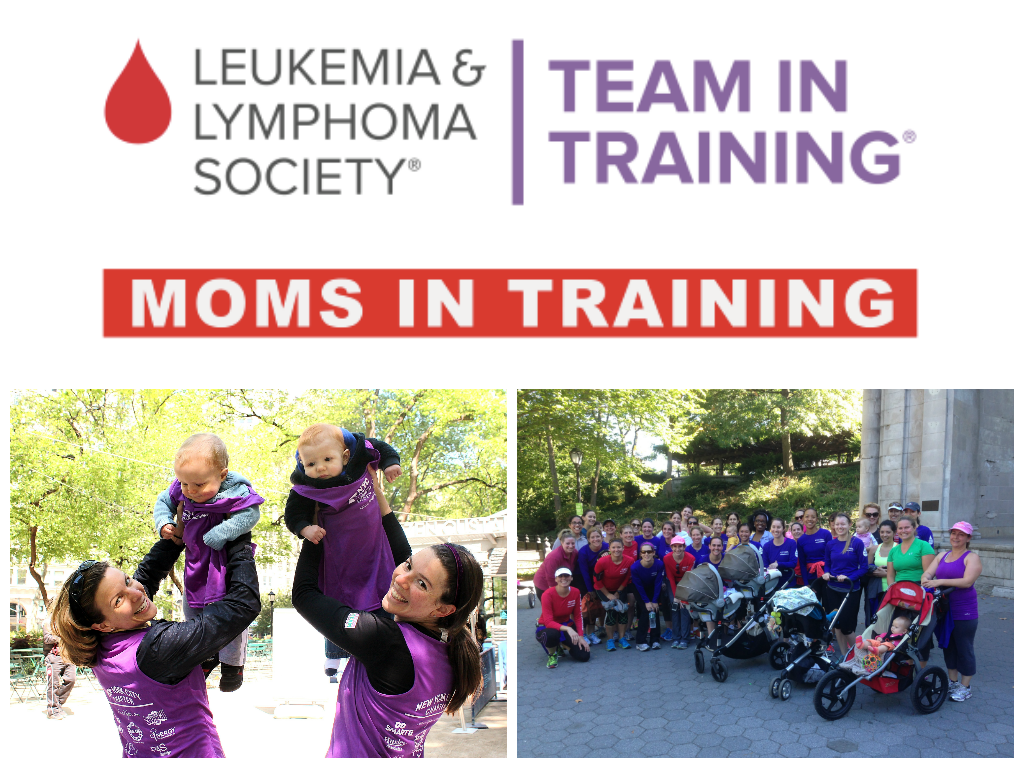
  • Moms-In-Training: Get Fit. Meet Moms. Fight Cancer.

    Moms In Training

    Working out, meeting other amazing moms, all the while supporting a good cause? Sign us up!

    We at Nine Naturals know that Moms have about a million things thing to keep track off and something to do at any given moment. That is why we were beyond excited to learn about Moms-In-Training, an off-shoot of The Leukemia & Lymphoma Society’s Team in Training program which uses long distance running events to help raise money.

    Moms In Training is a 10-week workout program for moms and expecting moms to train together for a 10K walk/run at the end of the program. Funds raised by each mom goes towards finding a cure for cancer and supporting the Leukemia Lymphoma Society. Moms In Training also includes additional social events throughout the season, including nutritional, strength training, and wellness clinics (babies and families are more than welcome!). This week, Nine Naturals sat down with with Kristen Knier Hill, one of the founders of Moms In Training, to hear about her personal experience with the organization:

    Before I had my son, working out, hanging out with friends, and volunteering were very important to me. After I had my son, they were still important but how was I going to juggle staying in shape, connecting with friends, and helping others while taking care of a newborn? Impossible.

    Helena Scott, a friend I had made at a mom/baby support group, and I realized we were in the same predicament: how were we going to make this 'do it all' desire work? We wanted to lose our baby weight, we wanted to meet more 'like-minded mom' friends, and fight cancer (a cause that was deeply close to both of us). In the Spring of 2012, we started "Moms in Training" in Madison Square Park to support the Leukemia Lymphoma Society. Thirty moms joined us on Saturday mornings to work out and train for a Central Park 10k race. We held social events around training with our families and with the support of our networks we raised $50,000 for blood cancer research.

    Multi-tasking might be one way to call it but we realized it was much deeper. We were uniting moms to fight cancer, we were building long lasting friendships and we were giving moms the confidence to believe they really could lose that baby weight. We were on to something.

    Two years later, Moms In Training is in 9 locations around New York City and over 35 cities around the country. In NYC alone, over 350 moms have raised over $500,000 to find a cure for cancer to date. We have just kicked off our Spring season with over 200 moms. (My son is named after his grandfather who passed away from a blood cancer over 20 years ago. I am confident that thanks to our efforts we'll find a cure before my son understands what cancer is).

    We invite you to join us ... It's fun, social, inspiring - and will make you break a sweat! Ps. Nine Naturals Deodorant is great pre-workout! Post work out, the body wash is so refreshing!

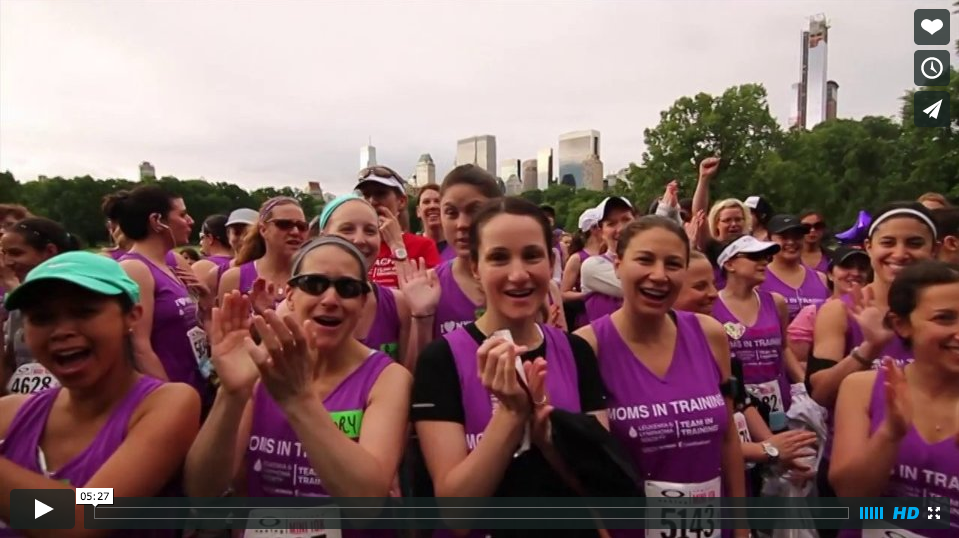
    To learn more about Moms in Training: Visit their website and check out the video below:

    Moms In Training

    Kristen Kneier Hill grew up in Los Angeles and has lived in New York the last 12 years. She is the mother of a 2.5 year old boy and and is looking forward to welcoming her second child in June. She works full-time in finance and enjoys volunteering for Moms in Training & the Leukemia Lymphoma Society.

1-10 of 11

Page:
  1. 1
  2. 2