Archive for the ‘Pregnancy Tips’ Category

Nine Naturals Style Guide: Fourth of July Maternity Fashion

We know dressing for a hot summer day isn’t easy, especially while pregnant and being out and about during the upcoming Fourth of July weekend. Fourth of July fashion is all about showing off your patriotic pride and dressing up in red, white and blue. Even though you have a limited color pallet to work with, the possibilities are endless! Whether you’re attending a BBQ, headed to the beach, or enjoying brunch with friends and family, we have just the right looks to keep you cool, comfortable and stylish.

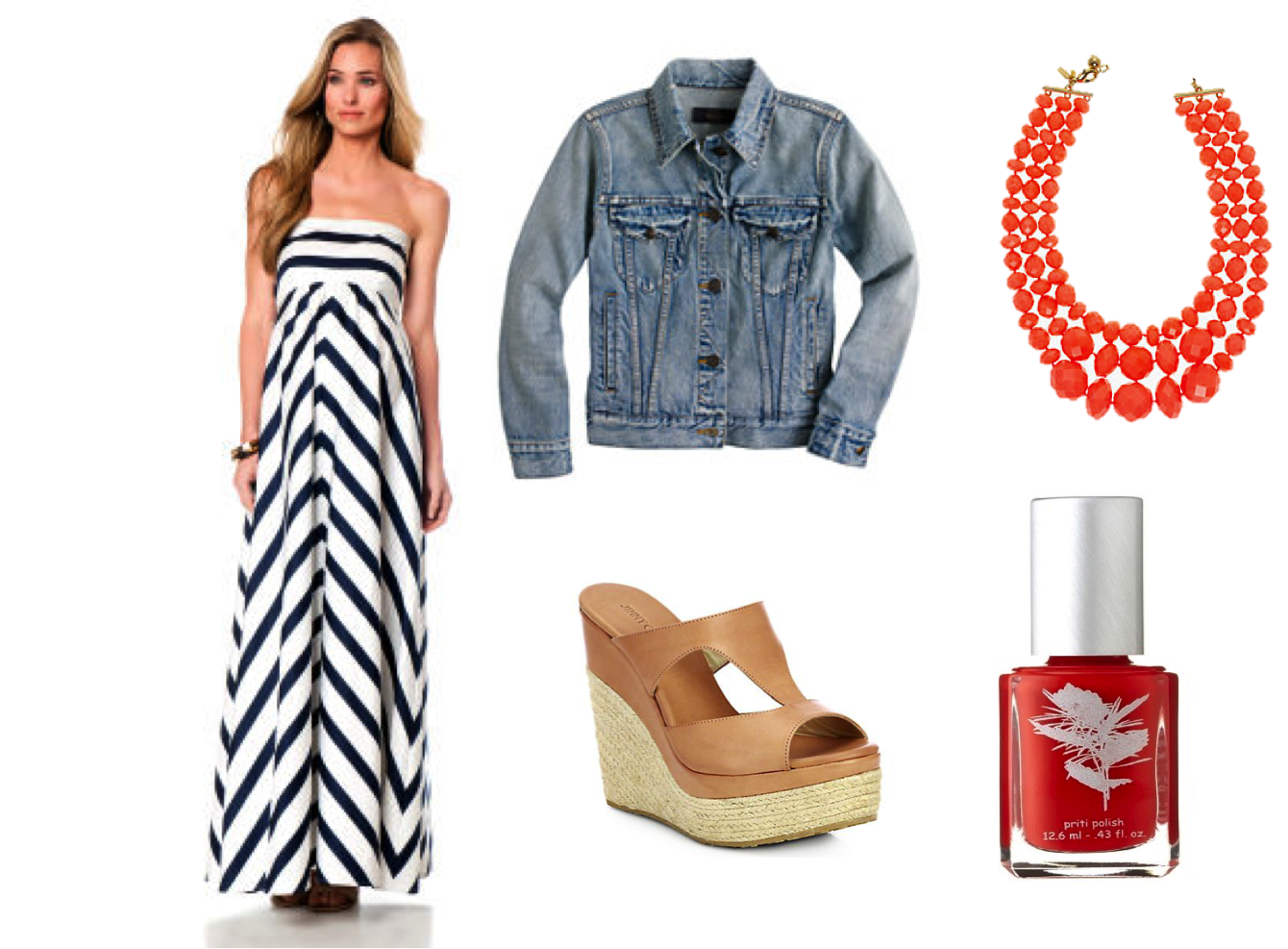
BBQ Ready: Headed to a summer BBQ this Fourth of July? Time to pull out our favorite summer staple – the maxi dress. This blue and white striped maxi is Fourth of July perfect, especially when paired with a vibrant statement necklace. Grab a jean jacket in case it gets chilly and dress it up with a pair of wedges to give you added height. Complete the outfit with festive red nails for a subtle nod to the red, white and blue.

BBQ

Spaghetti Strap Empire Waist Maternity Maxi (Jessica Simpson), Vintage denim jacket (J. Crew), Pledge Leather Espadrille Wedge Sandals (Jimmy Choo), Give It A Swirl Triple Strand Necklace (Kate Spade), American Beauty 5 Free Nail Polish (Priti NYC)

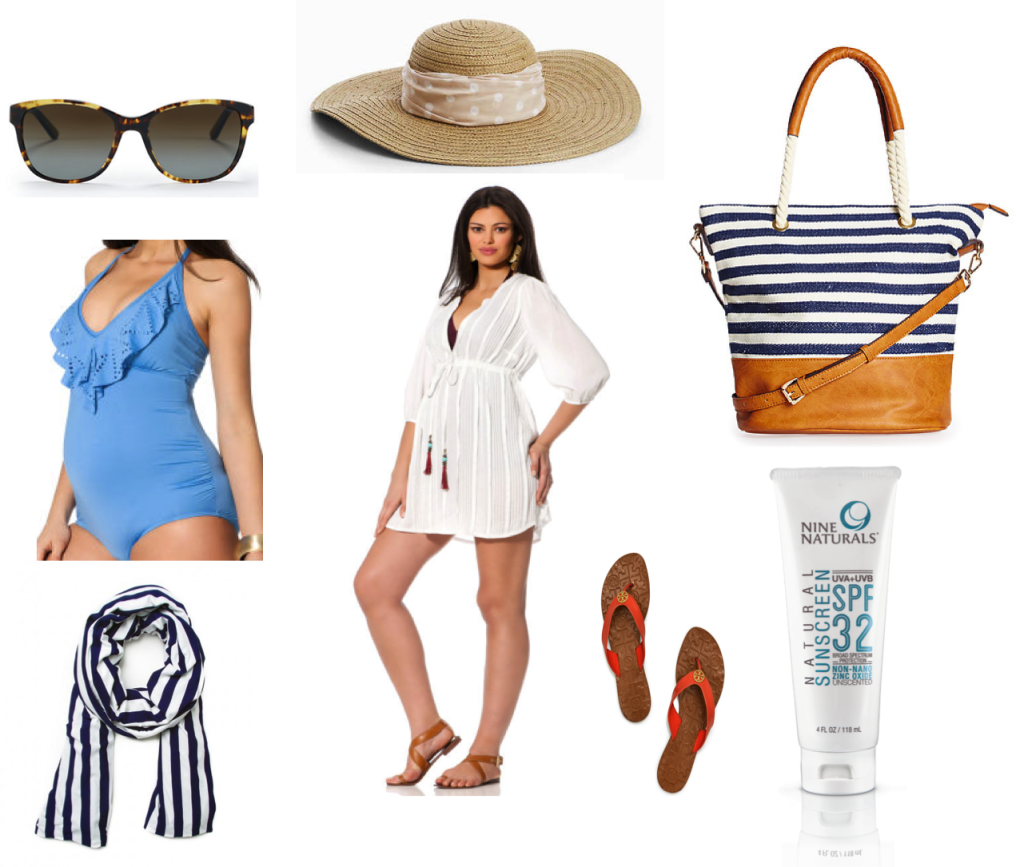
Beachy Style: Just because you have a growing bump doesn’t mean you can’t flaunt it at the beach this summer! Show off your bump with a solid blue one-piece bathing suit that features ruffles along the neckline for a touch of added flair. Go bare or cover it up with a simple white tunic. A classic wide-brimmed straw hat and your favorite pair of shades will protect your face from the beaming sun. Don’t forget to throw in Mott 50’s sun protective scarf and Nine Naturals Natural SPF Sunscreen 32 in your nautical beach tote!

Fourth of July Maternity Fashion

Pleated Maternity Swim Cover-up (A Pea in the Pod), Dot Bow Straw Hat (Ann Taylor), Ruffled Maternity One Piece Swimsuit (A Pea in the Pod), Classic Square Sunglasses (Ralph Lauren), Nautical Striped Tote (Daily Look), Sun Protective Shawl for Birchbox (Mott 50), Patent Thora 2 Sandal (Tory Burch)

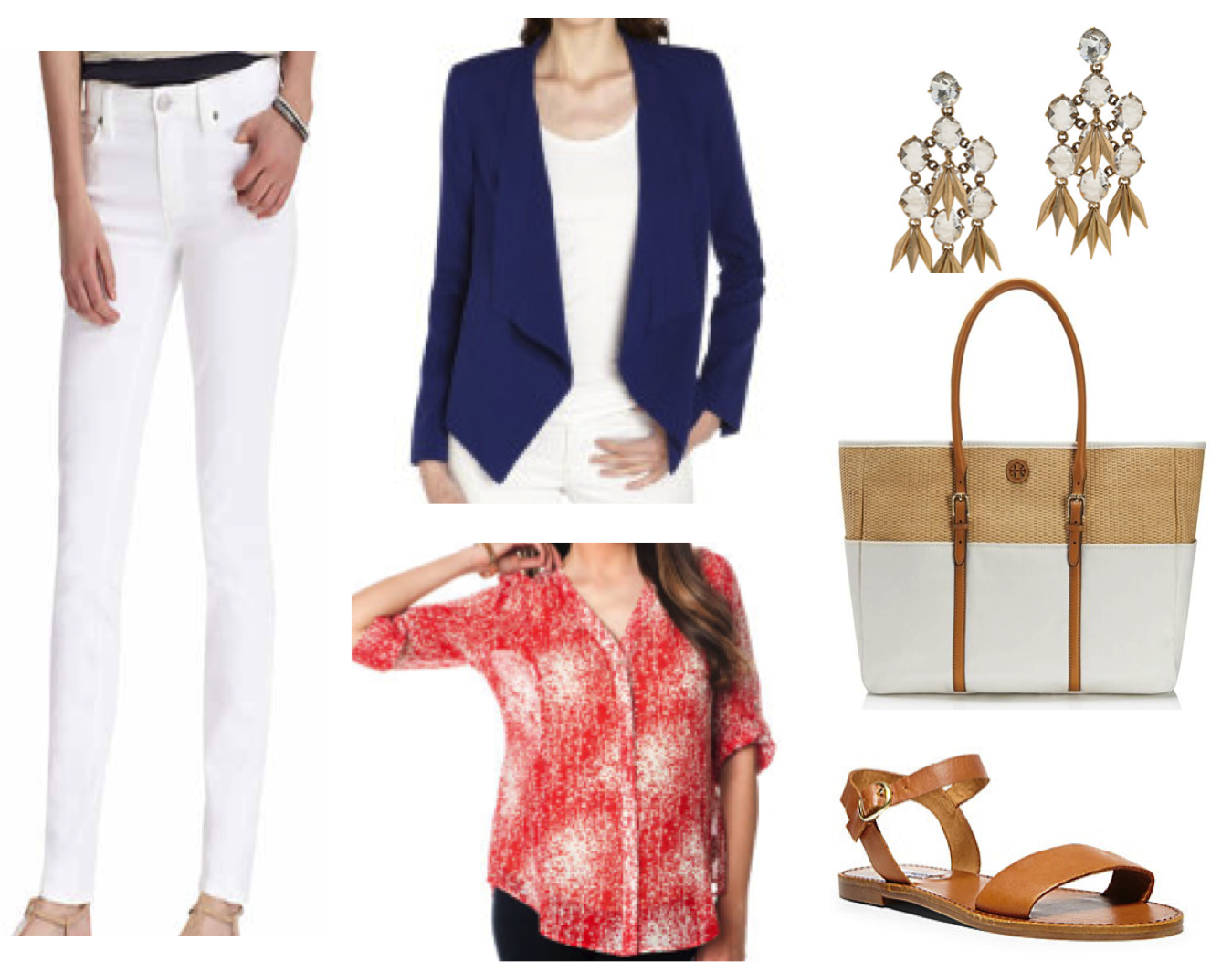
Daytime Brunch: Fourth of July weekend is a time for family and friends, but don’t forget about the food! If you’re heading into town for a delicious meal, think casual yet sophisticated. Throw on a comfortable pair of white maternity jeans to show off that summer style, topped off with a loose fitting patriotic red blouse and a navy blazer for a classy, yet chic touch. Finish the outfit with a leather sandal so you’re ready to walk around town for a little shopping after brunch!

Maternity Fourth of July Fashion

Maternity Skinny Jeans in White (LOFT), Blue Depths ‘Abree’ Open Front Blazer (BCBG), Convertible Sleeve Button Front Blouse (MISOKA), Donddi Sandal (Steve Madden), Jeweled Quill Earrings (J. Crew), Lydia Tote (Tory Burch)

First Trimester Nutrition: The 3 Diet Changes You Have To Make

First Trimester Nutrition

At Nine Naturals, we firmly believe that everything that goes on and in your body during pregnancy can impact your health and your baby’s health. We are excited to announce that we have teamed up with registered dietitian and nutrition expert Samantha Lynch to bring you a 3-part Pregnancy & Nutrition Series, focusing on nutrition for every trimester of pregnancy!

The first trimester is very important during pregnancy, both in terms of the baby’s development and how pregnancy can affect moms to be. During this crucial time, it’s important to:

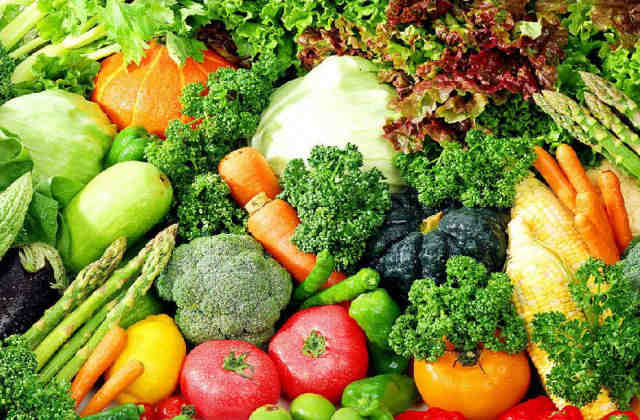
Get Plenty Of Folic Acid: Ensure you are taking at least 400 mcg of folic acid to prevent neural tube birth defects including spina bifida, anencephaly and chiari malformation. These brain and spinal cord defects develop in the first 28 days after conception, long before many women know they are pregnant. Foods with folic acid and folate include:

  • Dark leafy greens
  • Asparagus
  • Fortified Grains including bread & crackers
  • Legumes

Eat Fiber-Rich Food: Suffering from constipation? You are not alone. It is common in pregnancy because hormones slow the rate of digestion, allowing for more nutrients to be absorbed by you and your baby. The following tips will help fight constipation:

  • Include fiber in each meal and snack:
  • Fruits during breakfast & as snacks
  • Vegetables during lunch & dinner
  • Whole Grains
  • Chia & Ground Flaxseeds
  • Stay hydrated and drink water between meals to keep things moving
  • Speaking of moving, exercise! It will aid the digestion process!

Alter Your Diet To Help Prevent Morning Sickness: If you are one of the unlucky women who suffer from morning sickness, aka “all day sickness” here are some nutrition tips to ease naseau and ensure that you are getting the proper nutrition for you and your little one:

  • Eat small frequent meals, rather than large meals many hours apart. The key is having something in your stomach at all times
  • Avoid spicy meals
  • Drink liquids between meals, rather than with meals
  • Drink small amounts of liquids throughout the day to avoid dehydration
  • Leave some saltines on your night table and munch on a few before getting out of bed
  • Lemon, ginger, watermelon has been known to help relieve the nausea
  • Try to rest and get enough sleep at night

Samantha LynchSamantha Lynch, MS, RD, CDN, is a registered dietitian who caters to everyone from engaged couples, pre-post natal woman, athletes, celebrities to students and stay-at-home moms. Based in Manhattan, she holds a Master’s Degree in Clinical Nutrition from NYU. After graduating in 2009, she started her own nutrition counseling practice to fulfill her dream of helping people live longer, happier and more energetic lives without compromising their social schedule. Samantha has been featured as a nutrition expert in Cosmopolitan Magazine, Refinery29, Shape.com, The Daily Meal, & OK TV and was also featured as herself in a national Boost commercial airing in both the US and Canada. Samantha is an active member of the Academy of Nutrition and Dietetics and Greater New York Dietetic Association. She lives in Manhattan’s Union Square with her husband Roger, 3 year old daughter Lucy, and is expecting Baby #2 in July 2014.


Nine Naturals + Preg Prep Make That Baby Series: Can Stress Negatively Impact Fertility?

Stress & Fertility

Article & Photo is courtesy of PregPrep.

Before even becoming pregnant, many women start taking steps to prepare their bodies for pregnancy. That is why Nine Naturals is excited to partner with PregPrep in the Make That Baby Series to help bring you helpful tips and information for preparing for pregnancy.

The anecdotal evidence is vast. Most of us have heard at least one story about a couple that struggled to conceive until they went on an island vacation. Or we know someone who couldn’t get pregnant until graduate school was over and they had feathered the nest. But in order to provide a more scientific answer to this question, we first need to lay out the basic science about the human response to stress.

It has been long understood that our bodies are hardwired to protect us from mortal danger. Most of us have heard of the “flight or fight” response triggered in extreme life or death situations, in which our bodies receive a surge of heightened energy and focus needed to survive a lion attack or outrun a tsunami.

In modern life, we are not as vulnerable to constant threats to our very survival, but the wiring is still in place. For many of us, this reaction is still set off by external pressures such as a looming work deadline or problems on the home front related to marriage and family.

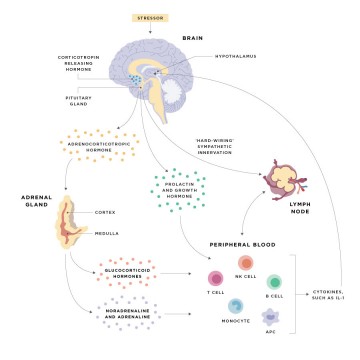
When the stress response is set off, three different hormones come into play:

The first is adrenaline, also known as the “fight or flight” hormone. When that shark fin on the water is spotted, the brain sends an urgent telegram to the adrenal glands, which then flood the body with adrenaline (and norepinephrine, discussed below). Adrenaline helps the body respond immediately to the situation at hand by giving a surge of energy and heightened focus.

The second hormone, also released by the adrenal glands, is norepinephrine, which acts as a back-up system to adrenaline, giving the brain the hyper focus needed for a quick response time. It also directs blood away from less important areas, like the skin, to the muscles that may need support for a quick get-away.

Finally there’s cortisol, commonly known as the “stress hormone”. Cortisol does not kick in immediately like adrenaline, because it is only activated after the message is received by the amygdala and hypothalamus — two areas of the brain directly related to the regulation of many autonomic functions, including reproduction. It’s a key player in the stress-circuit trifecta, because it regulates fluid balance and blood pressure. It also offers a clue to the possible negative effects of stress on reproduction, as it can suppress reproductive drive in times of extreme stress as a protective measure. Cortisol inhibits the production of gonadotropin, the body’s primary sex hormone (GnRH) and, in turn, can suppress ovulation and sex drive. Mammals have been observed to shut down reproductive functioning completely in times of acute distress.

In 2009, researchers at UC Berkeley discovered that stress also increases levels of the recently discovered (2000) hormone gonadotropin-inhibitory hormone GnIH. This hormone, like cortisol, suppresses GnRH. This fascinating finding implies that the reproductive system is impacted from more than one angle in times of stress.

This primal protective measure, so crucial in times of true physical crisis, can work against the body when a chronic-stress response is triggered in everyday life.

A study by NIH and the University of Oxford discovered another new stress hormone that may hamper successful implantation of a fertilized egg. They tracked normal, healthy women with no known underlying fertility issues and made an incredible discovery: an enzyme that was previously known to help the body process starch, now turns out to be another key indicator of stress. The enzyme, alpha-amylase, may reduce blood flow and in turn slow the passage of the fertilized egg to the uterus. The study also showed that women with higher levels of alpha-amylase were less likely to conceive in their fertile window. This compelling study has now spurred other scientists to conduct further, long-term research.

So does any of this prove that the body’s response to stress negatively impacts fertility? The growing body of research seems to suggest that the hormones released in stress response do hinder the reproductive functions as part of the body’s primal “fight or flight” defense. The older belief that ovulation was only hampered by acute stress is now being chipped away. Daily and chronic low-level stress can also have an impact on fertility and reproductive health. It may be more subtle but still is a problem.

The old “just relax and it’ll happen” advice is just as useless and irritating to those on the road to conception as ever. But there is certainly enough scientific evidence to inspire healthy couples who hope to conceive easily and find effective ways to manage their everyday stress. In the process, they may also overcome some of the other scourges of chronic stress: stubborn belly fat, lowered immunity, and plain old unhappiness.

As you prepare yourself for pregnancy, Nine Naturals knows that you are thinking about everything that you put in and on your body. Nine Naturals is excited to offer the Nine Naturals + PregPrep Bundles, featuring Nine Naturals products of your choosing with the PregPrep Make that Baby Kit! Detoxify your beauty routine with luxurious all natural & sulfate-free products and get key nutritional support to bolster fertility and promote ideal reproductive health with physician-formulated natural supplements in the PregPrep Make That Baby Kit.

Nine Naturals Natural Sunscreen SPF 32 Featured in Pregnancy & Newborn Magazine!

Screen shot 2014-06-05 at 12.45.41 PM

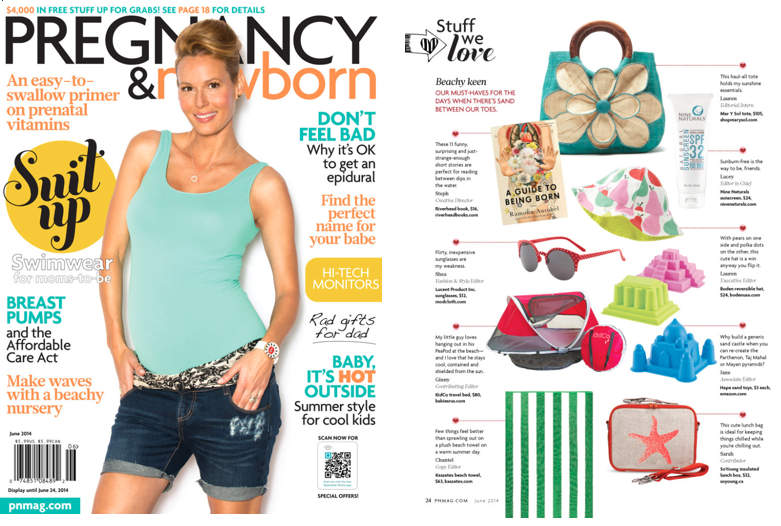
Nine Naturals is proud to be featured in Pregnancy & Newborn Magazine’s “Stuff We Love.” According to Editor in Chief, Lacey, “Sunburn-free is the way to be, friends.” With our Natural Sunscreen SPF 32, you can stay sunburn- and toxin-free! Not only do its ingredients offer broad-spectrum UVA/UVB protection, but they also nourish and moisturize your skin while you bask in the sun!

The Health Impact of Endocrine Disruptors & How to Avoid Them

endocrine disruptors pregnancy

At Nine Naturals we’re committed to providing you with the information you need to make safe and smart beauty choices. You may have heard the phrase “endocrine disrupting chemical” thrown around in ominous ways. Since these chemicals are certainly a cause for concern, we wanted to help you understand what endocrine disruptors are and how to avoid them.

The Importance of the Endocrine System

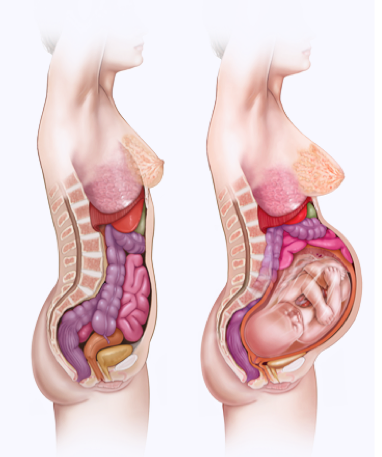
The endocrine system influences nearly 100% of our body – and instructs our long-term growth process from the cell level to the organ level. It is comprised of glands that produce hormones, the hormones themselves that travel through the body as messenger and then cell receptors in tissues in organs that receive those messages. Hormones maintain proper functioning of many bodily processes – including growth, reproduction, mood and metabolism.

Protecting the proper functioning of your endocrine system is particularly important during pregnancy when a finely tuned balance of hormones regulates fetal development.

How Endocrine Disruptors Affect Our Health

Endocrine disruptors are chemicals that interfere with the normal functioning of the endocrine system. Endocrine disruptors can prevent our bodies from working properly by changing the behavior of hormones. They can also affect the production of hormones themselves causing similar disruptions.

One of the most common ways endocrine disruptors can cause harm is by mimicking estrogen. For instance both, Bisphenol-A (BPA), which is found in many plastics, and parabens, which are widely used as preservatives in food and personal care products, have been shown to act in this fashion. This can impact both fertility and fetal development.

Exposure to endocrine disruptors, particularly at developmentally vulnerable periods in a person’s life (including as a developing fetus or young child), have been associated with

Birth Defects - including deformities and early-term births
Developmental disorders - including ADHD, learning disabilities
Reproductive development – including sexual development and fertility problems
Childhood obesity
Cancer- notably breast, liver and thyroid cancers

Where Endocrine Disruptors Can Lurk

First, consider a quote from this NIH study on EDCs in humans reflecting the prevalence of EDCs

… a consumer who used the alternative surface cleaner, tub and tile cleaner, laundry detergent, bar soap, shampoo and conditioner, facial cleanser and lotion, and toothpaste (a plausible array of product types for an individual) would potentially be exposed to at least 19 compounds: two parabens, three phthalates, MEA, DEA, five alkylphenols, and seven fragrances.

The most common endocrine disruptors are

  • Bisphenol A (BPA): These are common in consumer plastics like plastic food containers and the linings of canned food and formulas.
  • Parabens: A preservative found in personal care products. On an ingredients label, it is commonly listed with the prefix butyl-, ethyl-, methyl-, or propyl-.
  • Phthalates: A chemical found in plastics to help make them more flexible. Also used to hold fragrance in personal care products, perfumes and other products that include artificial fragrances.
  • Polybrominated diphenyl ethers (PBDEs): Extremely common in flame retardants – and banned in the EU, but still legal in the US. YES, PBDEs are the reason Nine Naturals and many other organizations warn parents about their children’s mattresses. PBDEs are also found in other consumer products like electronics.
  • DDT: These were common in pesticides in the early 20th century, but are illegal in most countries. DDC has persisted in the environment, however, and can be found glaciers, animals in the wild and other parts of the environment.
  • Polychlorinated biphenyls (PCBs): Largely banned now, PCBs were used in factories as industrial lubricants and coolants. Now they are unfortunately found in the environment due to factory run-off dating back to the 1970’s.

Tips for Avoiding Endocrine Disruptors

Here are a few key tips to reduce your exposure:

  1. Avoid using plastics as much as possible, particularly when it comes to storing food and beverages where chemicals from plastics can seep into what you eat and drink. Opt for glass and stainless steel containers.
  2. Use personal care products free of endocrine disrupting chemicals, such as Nine Naturals.
  3. Take the time to read ingredients labels. Purchase products from companies that disclose 100% of their ingredients. Apply this practice not only to personal care products, but also to household products and food.
  4. Be especially wary of fragrances in personal care products and household products. Avoid products that have the word “Fragrance” on their ingredient labels and do not disclose the components of their fragrance.
  5. Eat organic as much as possible to limit pesticide intake.

At the moment the debate on how to regulate endocrine disruptors is still ongoing. This is why it’s important to both understand the ingredients in a product and to look for products free of chemicals when trying to minimize exposure. At Nine Naturals we pride ourselves in creating toxin-free, 100% plant-based products that are free of endocrine disrupting chemicals. We do the work, so you don’t have to worry.

_________________________

REFERENCES:

Long-Term Effects of Environmental Endocrine Disruptors on Reproductive Physiology and Behavior. Patisual et al. Frontiers in Behavioral Neuroscience.

Endocrine Disruptors and Asthma-Associated Chemicals in Consumer Products. Dodson RE, Nishioka M, Standley LJ, Perovich LJ, Brody JG, Rudel RA. National Institutes of Health.

Endocrine Disruptor. Multiple. Wikipedia.

Steroids and endocrine disruptors-History, recent state of art and open questions. Hampl et al. Journal of Steroid Biochemistry and Molecular Biology.

Parabens. From Environmental Studies to Human Health. Bledzka et al. Environment International.

Endocrine Disruption of the Epigenome: A Breast Cancer Link. Knower et al. Endocrine-Related Cancer.

Phthalates impair germ cell development in the human fetal testis in vitro without change in testosterone production. Lambrot et al. Environmental Health Perspectives.

Developmental neurotoxicity of ortho-phthalate diesters: review of human and experimental evidence. Miodovnik et al. Neurotoxicology.

Transplacental Passage of Antimicrobial Parabens. Towers et al. Obstetrics and Gynecology.

Low dose effects and non-monotonic dose responses for endocrine active chemicals: science to practice workshop: workshop summary. Beausoleil et al. Chemosphere.