





A new year has begun! We turn over a new leaf and welcome another opportunity to break old habits and make real improvements in our lives. Many of us spent 2013 contemplating the switch to a green lifestyle, but didn’t know the best way to start.
Our list of 2014 green resolution tips will help you get started! Follow one, two, or all of our tips, and you’ll notice a great change in the New Year.
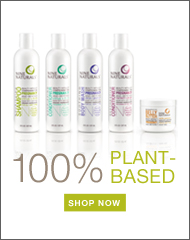
- Rely on Nine Naturals for a beautifully clean 2014! We are proud to carry 100% all-natural, 100% plant-based products that designed to help pregnant women feel beautiful without compromise. Every Nine Naturals product, from our rich Moisturizing Body Cream to our Mandarin + Ginger Restorative Conditioner, will spoil you and keep you, your baby and our environment safe. Check out our luxurious line today!
- Opt for chemical-free cleaning products. Did you know that using traditional cleaning chemicals can create indoor air that is two to three times more polluted than the air outside? In 2013, many organizations around the country, including the state of California, began pushing for regulation on chemicals in common household products. Find a list of eco-friendly cleaning alternatives (some of them right in your kitchen cabinet) in our Greening Your “Clean” Routine article.
- Get in on the green nursery trend. In 2014, expect a boom in the number of new parents considering a green sanctuary for their newborn. But as our popular article makes clear, green nurseries are much more than a trend. From the mattress to the crib to the cleaning products to the air filter, they provide an excellent way to secure a baby’s health during her important formative years.
- Vow to steer clear of chemicals at the hair salon. Chemical-heavy treatments like hair dyeing and chemical straightening can expose you to damaging chemicals and even carcinogens. We’ve published several articles on great alternatives to these harsh treatments.
- Line-dry your laundry. Take advantage of sunny days to let the heat dry your clothes naturally, which can seriously save on both energy and money. Find more tips on greening your laundry with our blogpost here.
- Don’t let product labels intimidate you! At first glance, they’re just so darn difficult to read. But toxic chemicals are a reality in any number of commonly used household and cosmetic products and it’s crucial to arm yourself with the knowledge to avoid them. Trust us - you can become a fast expert on deciphering an ingredient list! Check out How to Read a Label to get you started!
- Eat organic whenever possible. This resolution can significantly reduce how much you expose your body to harmful chemicals and pesticides through what you eat. But you don’t always have to make the organic choice. The Dirty Dozen are the foods you should always eat organic (like apples and peaches), while the Clean Fifteen (eggplant, kiwi) are fine to eat conventionally. The Environmental Working Group provides a handy list for both.
- Ditch the plastic water bottles. This might be the hardest resolution to keep, since plastic bottles are so convenient and widespread. But these bottles often harbor harmful chemicals like bisphenol-A and phthalates and are an albatross on global environmental health.
- Instead, choose stainless steel and glass over plastic. These materials do not include the toxic chemicals that plastic containers can. Have no choice but to use plastic, though? Remember this rhyme for your safety: “4, 5, and 2 — all the rest are bad for you!”
- Increase your environmental shopping consciousness. Lastly, do what you can to augment your mindfulness of Mother Earth whenever you shop. Examples of how to do it: buy in bulk, and choose the farmer’s market over the grocery store. Bone up on the many ways you can be a greener shopper with the help of our Green Tip article.