



Posts Tagged ‘Pregnancy’

Drinking Organic: Q&A with Kwany Lui Of Bundle Organics - Organic Juices for Pregnancy

Bundle Organics

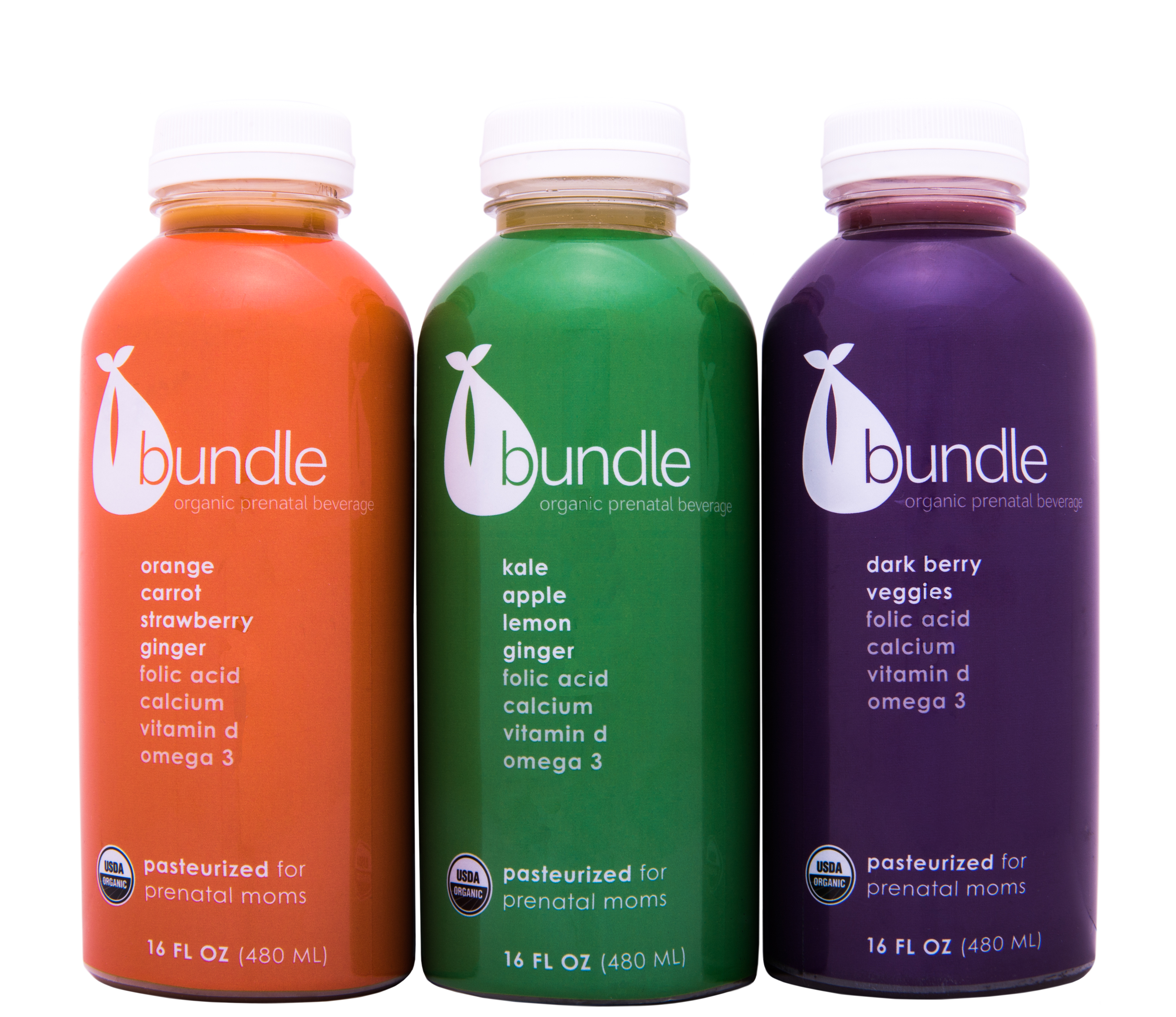
Eating healthy and focusing on nutrition during pregnancy is essential for the health and wellness of both mom-to-be and baby. Often, most busy moms-to-be struggle to consume the right amount of nutrients and vitamins on a daily basis. So you can imagine our excitement when we sat down with Khawny Lui, Co-founder of Bundle Organics, a line of organic prenatal juices that are fully pasteurized and specially designed to address the unique nutritional needs of expecting moms.

NN: Tell us about the Bundle Organics story. What was the inspiration behind Bundle Organics?

KL: I spent many years working for a large consumer packaged goods company and in particular, an organic brand of cereals, granola bars, and frozen fruit and veggies. Working on that brand completely changed my grocery and eating habits. I started purchasing organic food, joined a CSA (community supported agriculture group), drank raw, fresh-pressed juices and eventually started doing my own juicing.

Soon enough, I met my co-founder, John Mascari, who was a classmate of mine from Harvard Business School. We had a lot of friends and family members who struggled to get the right balance of nutrients in their diet during their pregnancy. Even though most women take prenatal vitamins, everyone still worries about their nutrition and whether they are getting the minerals and vitamins they need from their diet. We decided to dig a bit deeper and partnered with Dr. Errol Norwitz, Chair of Obstetrics and Gynecology at Tufts Medical Center in Boston. He became an advisor for Bundle Organics and informed us that for expecting moms, prenatal vitamins won’t necessarily meet 100% of your daily vitamin and mineral needs. In addition to providing for your own health during pregnancy, you also need to take in large amounts of extra minerals and vitamins that are required to grow a healthy baby.

And so, Bundle Organics was born! We knew there had to be a better way for prenatal moms to get the nutrients they needed without the worry. So, why not through a tasty juice designed specifically for expecting moms to take in addition to their prenatal vitamins, to get the extra ‘bump’ of nutrients they need?

NN: What was the creative process behind the juices? Did you develop the juices yourselves?

KL: We have an advisory board that includes a leading OBGYN and nutritionist, who helped us identify the key nutrients pregnant women needed. We worked with them to formulate the juices with USDA organic fruits and veggies, such as apples, kale, berries, lemon and ginger, that are particularly beneficial for expecting moms.

NN: What are some of the nutritional benefits that Moms-to-be can expect from drinking Bundle Organics juices?

KL: Our juices were made to include just the right amount of nutrients to complement those that pregnant women are already getting from a prenatal vitamin, like folic acid, while also providing those that might be more difficult to obtain, even in a well-balanced diet, such as calcium, iron, omega-3, and vitamin D. It’s a delicious way for moms-to-be to get the nutrients they need, while also safely enjoying the current juice trend! Additionally, folic acid, calcium, iron, and all the nutrients we have in our juices are good for pre- conception and breastfeeding too!

NN: What is your best advice to Moms-to-be for getting all of the necessary nutrition?

KL: Needless to say, eating a balanced diet and maintaining a healthy lifestyle is so important for expecting moms and their growing babies. And as mentioned previously, prenatal vitamins may not necessarily meet 100% of your daily vitamin and mineral needs so you should make sure that you can still get the vitamins and minerals you need from a healthy diet. For moms who are looking for ways to supplement their nutritional intake during pregnancy or while breastfeeding, I hope you’ll give Bundle Organics a try!

NN: Where can Moms-to-be find Bundle Organics products?

KL: They’re currently available for delivery directly from our website at www.bundleorganics.com or from www.amazon.com. Since the juices are pasteurized, they’re not only safe to drink during pregnancy but they’re also easy to ship and transport without refrigeration - which means you can order them without worrying about coolers or ice packs. We also offer a monthly bundled subscription that automatically delivers Bundle Organics to your door each month. You have enough to worry about during your 40 weeks and when baby arrives! Plus, all of our juices are available in convenient, grab-and-go 16 oz. bottles that are also BPA-free – so you can sip worry-free.

NN: What is your favorite flavor Bundle Organics flavor?

KL: That’s a tough one. That’s like asking someone who their favorite child is! We currently offer three delicious and nutritious flavors:

  • Dark Berry and Veggie; Kale, Apple, Lemon and Ginger; and Orange,
  • Carrot, Berry and Ginger. I am slightly obsessed with kale and ginger, so my go-to juice is usually our
  • Kale Apple Lemon Ginger. It’s not too sweet and I think the apple does a good job of covering the natural bitterness of kale.

KwanyLui

Kwany Lui is the co-founder of Bundle Organics, a new line of organic prenatal juices that are pasteurized and specially designed to address the unique nutritional needs of expecting and new moms. The juices are packed with organic fruits and veggies, plus an extra bump of essential vitamins like iron, calcium, vitamin D, omega 3, and folic acid to support a baby’s healthy development.




9 Important Sun (and Sunscreen!) Safety Tips From Nine Naturals

Sun Protection

Spring is finally here and summer is just around the corner. It’s time for bright sunshine and the fun outdoors. This means it’s also time to find a good sunscreen to protect ourselves so we can enjoy that sun.

Safe sun protection is especially important for pregnant women. Due to hormonal changes that occur during pregnancy, a woman’s skin becomes extremely sensitive to the sun. Further - many ingredients in sunscreen may be harmful to pregnant women or babies; choosing the right kind of sun protection is critical.

We’ve put together nine tips to help you understand your sunscreen and choose the best one for you and your family:

  1. Select a sunscreen with at least SPF 30. SPF stands for Sun Protection Factor and measures how much of the sun’s UVB radiation - the kind that causes sunburns – is blocked by your sunscreen. The higher the SPF the longer you can stay in the sun.
  2. Prioritize broad-spectrum protection. Though a high SPF value indicates that burn-causing UVB rays are being blocked, it says nothing about your protection from UVA radiation, which is the kind associated with skin cancer and aging. A “broad-spectrum” label in the United States means that at least 90% of harmful UVA rays are blocked, thereby mitigating burning and other risks.
  3. Avoid oxybenzone-based sunscreens. High levels of oxybenzone in the body were associated with low birth weights in a recent study. Oxybenzone can be absorbed through the skin and is present in about 80% of sunscreens on the market so it’s important to keep an eye out for this ingredient.
  4. Opt for zinc-oxide suncreens. Zinc oxide is a physical sun blocker that protects you by coating the surface of your skin and reflecting away light. Unlike chemical sun blockers, these molecules aren’t absorbed through the skin, which makes them a safer choice. Titanium dioxide is another common physical sun blocker, however it doesn’t appear to work nearly as well as zinc oxide.
  5. Beware of nano-particles. Nano particles are so ultrafine that they can enter into your skin. You’ll find nano particles in some newer zinc or titanium sunscreen formulations, particularly sprays. Nano particles are mostly untested and thus it’s very important for pregnant women and all parents to look for “non-nano” particles – like “non-nano zinc oxide.”
  6. Moderate exposure to Vitamin A. While some Vitamin A is essential for a healthy pregnancy you should get enough from your diet and supplements. Excessive Vitamin A is associated with birth defects and it can contribute to skin damage so pregnant women should be cautious. A very common A Vitamin in sunscreen is retinyl palmitate, but watch for the words retinol or retinoic acid on ingredients lists as well in order to minimize exposure. Plus they’re also found in other skin care products such as acne medications, so be on the look out!
  7. Apply rules for other cosmetics to sunscreen. While we’ve covered smart sunscreen shopping above, don’t forget that general cosmetics concerns apply to sunscreen as well. For instance watch out for parabens, phthalates and other such things that you might be trying to more widely avoid.
  8. Apply efficiently & amply. A number of studies have shown that people typically apply only 20-50% of the sunscreen the FDA uses when determining if a product works. This means that most people aren’t getting the protection they need or are counting on! It’s also just as important to reapply every hour or two to maintain that protection.
  9. Commit to brands that create simple, smart and safe products. We love Nine Naturals’ new Natural Sunscreen SPF 32: It’s an all-natural, non-nano zinc oxide sunscreen, which means that you don’t have to worry about chemical sun blockers like oxybenzone or nano particles entering your blood stream. Like all of our products, our pregnancy sunscreen is free from sulfates, parabens, phthalates, petrochemicals, DEA, synthetic fragrances and artificial preservatives. It’s also formulated with luxurious shea butter and jojoba seed oil to help moisturize you skin. Best part of all, our natural sunscreen is safe for the entire family (though you may be reluctant to share!).

Want more information? Read our article on Natural Sun Protection During Pregnancy.

The Toxins That Threaten Our Brains

Screen Shot 2014-03-25 at 4.12.45 PM

Dear Friends,

Today I want to share with you an important article from The Atlantic. ”The Toxins that Threaten Our Brain” features recent research by two experts in the fields of pediatric medicine and toxicology – Dr. Philippe Grandjean from Harvard Medical School and Dr. Philip Landrigan from Mt. Sinai School of Medicine in Manhattan.

In late February, Grandjean and Landrigan published a paper arguing that exposure of children to industrial chemicals was responsible for a wide array of neurodevelopmental defects. They further argued that these defects are occurring with such massive, worldwide scale as to merit the label of “silent pandemic.”

The Atlantic article highlights several interesting points about the issue of environmental toxins that we find very relevant to pregnant and new moms: 1) chemicals are omnipresent, 2) pregnancy is the most vulnerable time for exposure, and 3) the regulatory process meant to govern these chemicals is very broken.

Omnipresent Chemicals
Grandjean and Landrigan’s research names twelve chemicals we encounter in our everyday lives, a so-called “dirty dozen”. These include some you’ve probably heard of, like lead, methylmercury and ethanol, and others that might surprise you. These substances pop up pretty much everywhere: in our couches, our cars and in our beauty products. For instance, toluene made the list, and, until recently, it was widely used to make nail polish.

Vulnerability during Pregnancy
The concern arises from the growing body of evidence that these chemicals affect neurological development at levels far below the “safe” limits set by the EPA. This exposure has been linked to loss of IQ points as well as a number of behavioral disorders.

Neurological development is a delicate process; billions of cells must orchestrate themselves in space to ultimately create the most complex organ in the body - the brain. Any disturbance of the developing brain generally has permanent consequences because, physically speaking, the brain reaches its finished form by the age of two. This is why exposure to neurotoxins is so much more pernicious during pregnancy and for newborns.

As for what you can do to reduce risk, Dr. Grandjean recommends eating organic during pregnancy when possible. This will at least minimize pesticide exposure, which is a main area of concern. However, this is not a viable long-term solution for our society.

A Regulatory Process in Need of Reform
The point of all this isn’t to make you panic, but rather to draw attention to the glaring faults of our regulatory process in the United States. As with any toxin “the dose makes the poison.” However, the vast majority of the 80,000 chemicals approved for use are untested, and thus we have no idea what the dangerous dose actually is.

The EPA is almost powerless to fully ban a substance – it’s happened just 5 times out of 20,000 cases since the current legislation was put in place. This is why large-scale reform is needed. Dr. Grandjean suggests requiring at least basic testing of new products in order to identify those that need more involved safety research. He also points to the European system that requires more testing for substances that are more widely used as a very reasonable solution. But all of this will require action, and thus far we have failed to keep up with the science. Until we do, it’s critical that expecting mothers do what they can to minimize exposure.

****

At Nine Naturals our mission is to make beauty safe and simple for moms-to-be. We feel that education is the first step in this process and that research like this must be shared. This information empowers us to protect ourselves, our families and our futures. (The Atlantic).

Please share this article with your friends!


Grace
CEO, Founder Nine Naturals

Save on Baby’s First-Year Gear

piggy-banks-624x208

Article & Photo Courtesy of Well Rounded NY

Well Rounded NY’s new personal finance contributor, Jennifer Saranow Schultz, gives us 7 ways to cut costs in Year One.

As 2014 kicks off, many urban parents have one major New Year’s resolution: cut spending. In fact, according to a recent survey from UrbanSitter, a site that helps city parents find babysitters, “spend less, save more” is officially one of mom and dads’ top New Year’s resolutions.

This is hardly a shock considering that living in the city isn’t cheap, especially when you add a new baby into the mix. According to the book Baby Bargains, baby gear (from cribs to clothes to car seats) for the first year alone can run at least $7,000 on average.

The good news, however, is that there are seven simple strategies new and soon-to-be parents can do to cut down the costs of raising a baby from birth to age one, so there’s at least some disposable income leftover to enjoy all that city life has to offer. And perhaps even save.

Pick your gear wisely.

1.) Skip waste-of-money baby products. Consult baby store sample baby registries and the amount of baby gear you need can seem overwhelming. The truth is, however, that you don’t really need many of the items on such lists. Wipe warmers, fancy baby thermometers, crib bedding sets and bottle sterilizers are just some of the gear items on my waste-of-money list.

2.) Register for the basics. As I’ve mentioned before, I’m a big fan of registering for the basics and for the items that you really need (like a car seat and stroller), so you’ll get baby gifts that you’ll actually use. On my baby registry, for instance, I included strollers, car seats and necessities like diapers, baby shampoo, diaper rash cream and basic white onesies.

3.) Buy the right gear the first time. Take the time to research and figure out the particular gear (from car seats to strollers to baby carriers) that will work best for your particular lifestyle, so you’re not wasting money on replacement items. For instance, if you take taxis a lot, the car seat you’ll want to get is different from the ones that would work best if you only drive or walk around the city.

Meanwhile, for those looking to cut costs, the right gear is often that which has the longest useful life and can have other purposes down the road. This is why I say go for an Exersaucer rather than a jumperoo, swaddle blankets that can work as crib rail guards, high chairs that are more like booster seats, and strollers that double as nighttime bassinets.

So where to can you do this kind of research? Good starting points include the book Baby Bargains, basically the Consumer Reports of baby gear; and sites like WeeSpring , Well Rounded NY (obviously) and (shameless plug alert) Hint Mama.

Rely on your network.

4.) Say “yes” to a baby shower. As John Schmoll recently suggested on U.S. News’ My Money blog, if friends or family ask if they can throw you a shower, say “yes” without any hesitation. You’ll need all the financial help you can get amassing the necessary baby gear.

5.) Take – and ask for – hand me downs. If you’re lucky enough to have experienced parents as relatives or friends, don’t be bashful about saying “yes” if they offer to let you borrow – or even keep – their used baby gear. In addition, don’t be ashamed to outright ask if they have anything to lend (when it comes to baby gear, the shameless person wins the saving money game). The experienced parents you know probably don’t have room to store all their gear at their place (small or nonexistent city storage spaces anyone) or don’t plan on using it again.

To be sure, you’ll want to avoid accepting hand-me-down cribs or car seats unless you know their exact history and are sure they’re still safe to use (this is why I prefer hand-me-downs from people I know rather than buying such gear used from strangers). You’ll also want to look over any hand-me-down toys or clothes to make sure they are in good, and age-appropriate, condition (stay tuned for more on what’s okay – and not okay – to accept, and buy, used in a future post).

Don’t pay full price when you don’t have to.

6.) Local moms groups are your friend. Moms groups (like the Golden Gate Mothers Group in San Francisco, where I live, and Park Slope Parents in Brooklyn) offer members discounts at various gear vendors.

7.) Clip your coupons. Always search online for discount codes before you make any big purchase, and if you’re going to make most of your purchases at certain stores, don’t forget to join the loyalty clubs. Finally, take advantage of big retail sale events like Cyber Monday.

What are your tricks for cutting down the costs of baby gear?

Image source.

This article is by Jennifer Sarandon Schultz courtesy of Well Rounded NY. Conceived with love by former magazine editors Jessica Pallay and Kaity Velez, Well Rounded NY aims to be the singular pregnancy resource for city-savvy moms-to-be. Through reviews, profiles, expert Q&As, local guides and more, Well Rounded curates the New York City pregnancy and helps its readers come to terms – and term! – with pregnancy in the city.

Jennifer Saranow Schultz (aka Hint Mama and our new resident personal finance contributor) is a writer based in San Francisco, where she lives with her toddler and husband. She’s the founder of HintMama.com, a new blog where she’s reporting the best hints she comes across for making parenting easier and cheaper.Before entering the corporate world two years ago, she was the lead writer for The New York Times “Bucks” personal finance blog from 2009 to 2011. Previously, she spent seven years as a reporter at The Wall Street Journal, and she has written for other publications including The Daily Beast, Marie Claire and Living on the Cheap. You can find her daily hints at HintMama.com, and she can be followed on Twitter at @HintMama and on Facebook at Facebook.com/HintMama.

Green Spring Cleaning: 9 Diy Recipes For Natural Cleaners

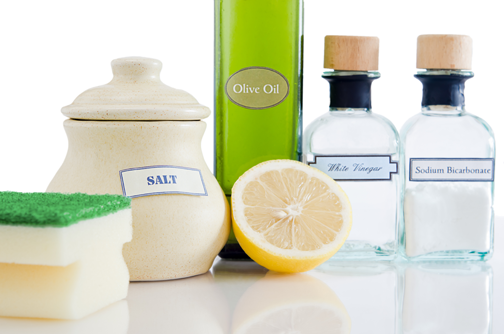
DIY_cleaning


Conventional cleaning products may be loaded with unsafe chemicals (no telling which ones as their formulas are protected as trade secrets…), but fortunately they’re not the only spring cleaning option. Green cleaners made with common natural, non-toxic ingredients are safer and cheaper to use, and they clean just as well. Here are some recipes for green and healthier housekeeping in any season:

1. ALL-PURPOSE CLEANER.
Mix 1/2 teaspoon of washing soda (sodium carbonate), 2 teaspoons of borax**, 1/2 teaspoon of plant-based liquid soap, and two cups of hot water in a spray bottle. Shake well. (**Note that although washing soda and borax are natural minerals, they’re also caustic, and borax is toxic if swallowed. Keep them out of reach of children! If you prefer not to use them, try swapping them out for other natural ingredients. Or just omit.)

2. DISINFECTING CLEANER.
Mix 2 teaspoons **borax, 1/4 teaspoon liquid soap, 4 tablespoons white vinegar, and 3 cups hot water in a spray bottle. If you want to skip the borax, look up a recipe for a hydrogen peroxide-based DIY cleaner.

3. OVEN CLEANER.
Combine 1 cup baking soda and 1/4 cup of **washing soda with enough water to make a paste. Apply to oven surfaces and let sit overnight. Wipe and rinse. If you’d prefer not to use washing soda, try making a paste with only baking soda.

4. TUB & TILE CLEANER
Mix 1 2/3 cups baking soda, 1/2 cup liquid soap and 1/2 cup water. Mix thoroughly then add 2 tablespoons white vinegar. Apply immediately, scrub, and wipe. For a mildly abrasive scouring scrub, just blend baking soda and plant-based liquid soap to your preferred consistency.

5. TOILET BOWL CLEANER.
Dump 1 cup of **borax and 1/4 cup of white vinegar into the bowl. Let sit overnight. In the morning, scrub and flush.

6. FURNITURE POLISH.
Apply a 1:1 blend of olive oil and white vinegar, and polish with a soft cloth.

7. GLASS & WINDOW CLEANER.
Combine a 1:1 mixture of water and white vinegar in a spray bottle. (To remove the waxy build-up left behind by conventional glass cleaners, add 1/2 teaspoon of liquid soap to 1 cup each of water and white vinegar.)

8. MOLD & MILDEW CLEANER.
Mix two cups of water and two teaspoons of tea tree oil in a spray bottle, shake well, spray, and let stand for a few hours before wiping. Hydrogen peroxide will also work.

9. FLOOR CLEANER.
Use 1/4 cup washing soda, 1 tablespoon of liquid soap, 6 tablespoons of cornstarch, 1/4 cup white vinegar, and two gallons of hot water on linoleum and no-wax floors. For wood floors, use 1 cup of vinegar in a bucket of hot water.

This article is courtesy of Healthy Child Healthy World. For the past 20 years, our friends at Healthy Child Healthy World have provided access to critical information that encourages smarter lifestyle choices to reduce toxic chemical exposure in homes and communities to become a trusted resource for parents. Healthy Child’s vision is a world where every child has the opportunity to grow-up in a healthy and safe environment.