







Archive for the ‘Parenting Tips’ Category

Freezer Friendly: Meal Planning Ahead of Delivery

Freezer Friendly Meals


Article & Photo Courtesy of Well Rounded NY.

Petit Organics founder Michelle Marinis shows us that with a little planning, meal time can be a breeze…even with a newborn.

You’ll hear close to a million pieces of advice throughout your pregnancy — you’ve probably heard more than enough already. One of the best bits of advice I received was to meal plan in advance of your delivery. When your little bundle of joy arrives, chaos will quickly follow. Your schedule no longer belongs to you, but rather revolves around a teeny tiny hungry, sleepy, poopy munchkin. Leisurely preparing your meals whenever you feel like it will be a thing of the past.

Freezing is a great make-ahead strategy and some recipes freeze better than others. Try to prepare your freezer-friendly meals at least two weeks in advance of your due date in case you have an early arrival. I recommend you double or triple the recipes and separate them out so you’ll instantly have three meals covered. One less thing on your “to do” list when you are sleep deprived can be incredibly helpful. Be sure to label and date each before you put them in the freezer.

Read on for my top three recipes for freezing. All recipes below will safely keep in your freezer for up to three months. Enjoy!

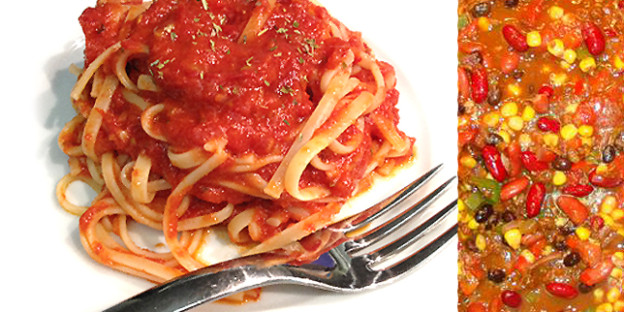
VEGETABLE CHILI

Ingredients:
· 1 tablespoon extra virgin olive oil
· 1 red bell pepper, seeded and diced
· 1 orange bell pepper, seeded and diced
· 1 medium red onion, diced
· 3 cloves garlic, minced
· 2 cups fresh or frozen corn
· 2 cups kidney beans (or one can, drained and rinsed)
· 2 cups black beans (or one can, drained and rinsed)
· 2 cups pinto beans (or one can, drained and rinsed)
· 1 cup low-sodium vegetable broth
· 1 large (28 oz) can crushed tomatoes
· 1 tablespoon cumin
· 1 teaspoon coriander
· 1/4 teaspoon chili powder
· 1/8 teaspoon cayenne pepper (optional if you prefer less spice)
· ½ teaspoon sea salt
· Black pepper and paprika to taste

Preparation: In a large pot over low to medium heat, add the first five ingredients and sauté for 4 minutes. Next, add the remaining ingredients, stir to combine and bring to a boil. Reduce the heat to low, cover with a lid and simmer for 30 minutes. Remove pot from heat and allow to cool, stirring occasionally to release more heat. Once the soup is room temperature, it is ready to be packaged for the freezer. You can use freezer-safe Ziploc bags that take up less freezer space when frozen flat. I personally prefer sturdy food storage containers with tight-fitting lids to minimize the chance for leaks and prevent the transfer of smell to other foods in your freezer. Label with the date and contents, and place in your freezer.

To reheat: The night before you plan to serve the soup, move it from the freezer to the refrigerator overnight. Thirty minutes prior to serving, place in a large pot over low to medium heat. Heat through stirring occasionally until the desired temperature is reached.

SWEET POTATO, BLACK BEAN & KALE ENCHILADAS

Ingredients:
· 1 tablespoon extra-virgin olive oil
· 1 poblano pepper, seeded and diced
· 1 clove garlic, minced
· 1 medium sweet onion, diced
· 3 kale leaves, stems removed and chopped in 1” sections
· 1 tablespoon water
· 1 large sweet potato, baked and mashed or pureed
· 2 cups black beans (or one can, drained and rinsed)
· 1 teaspoon cumin
· ½ teaspoon sea salt
· 3 grinds freshly cracked black pepper
· 10 non-GMO corn tortillas

Preparation:
In a skillet over low to medium heat, add the extra-virgin olive oil and poblano pepper. Sauté 5 minutes then add the garlic and onion. Sauté 5 more minutes. Remove from skillet and place in a large mixing bowl. Next, add the water to the same skillet over low to medium heat. When the water begins to sizzle, add the kale and sauté until just wilted (approximately 1-2 minutes). Strain off the water and add only the kale to the mixing bowl. Add the sweet potato, black beans, cumin, salt and pepper to the mixing bowl. Using a wooden spoon, stir to combine. One at a time, place the black bean, sweet potato and kale filling into a corn tortilla. Wrap and place in a freezer and oven-safe baking dish. Repeat until the dish is filled. Cover the enchiladas with moisture and vapor-proof material such as freezer paper, heavy foil, plastic wrap or a tight-fitting lid. Fix tape around the edges to make a tight seal. Label and date the contents and place in freezer.

To reheat: Place uncovered in a 400 degrees F until heated through (approximately 1- 1 ½ hours).

PASTA WITH HOMEMADE MARINARA SAUCE

Ingredients:
· 10-14 Roma tomatoes
· 1 tablespoon extra-virgin olive oil
· 1 small onion, diced
· 2 cloves garlic, minced over low to medium heat. Heat through stirring occasionally until the desired temperature is reached.

· ½ teaspoon dried oregano

· Sea salt and freshly cracked black pepper to taste

Preparation: Preheat your oven to 300 degrees F. Line a baking sheet with foil and place a cooling rack on top of the pan. Slice each Roma tomato lengthwise and place cut side up on the rack. Roast the tomatoes in the oven for at least 2 but no more than 3 hours. Remove from oven and allow to cool. In a large pot over low to medium heat, sauté the onions and garlic in the olive oil for 3 minutes, stirring occasionally. Turn the heat to low and add the tomatoes, oregano, sea salt and pepper. Using an immersion blender, blend through until you reach your desired sauce consistency.

You can stop here by simply freezing the marinara sauce and cook the pasta just before mealtime or you can prepare your pasta of choice (I love buckwheat for the added protein) and add it into the sauce prior to freezing. If you are freezing the pasta with the sauce, only cook it to al dente. As the pasta is reheated, it will cook just a bit more and you don’t want overcooked, mushy pasta.

To reheat: The night before you plan to serve the pasta, move it from the freezer to the refrigerator overnight. 30 minutes prior to serving, place in a large pot.

Bon appétit to you and your bébés!

This article is by Michelle Marinis courtesy of Well Rounded NY. Conceived with love by former magazine editors Jessica Pallay and Kaity Velez, Well Rounded NY aims to be the singular pregnancy resource for city-savvy moms-to-be. Through reviews, profiles, expert Q&As, local guides and more, Well Rounded curates the New York City pregnancy and helps its readers come to terms – and term! – with pregnancy in the city.

Raised in Texas with a down home Southern upbringing, Michelle Muller-Marinis grew up with a passion for food and cooking. After moving to NYC and beginning a family of her own, Michelle realized the importance of fresh, healthy baby food – she discovered her little ones were always happiest with a spoonful of homemade food in their mouths! She is the founder of Petit Organics and an NYC mom of three boys, Pearce, Rylan and Brandt. You can find Michelle on Facebook, Twitter, Instagram and Petit Organics on Facebook, Twitter, Instagram, and Pinterest.


Battle of the Bumps: Expectant Mom Groups

Expectant Mom Groups


Article & Photo Courtesy of Well Rounded NY.

Find out when an online community is all you need and whether it pays to show up in person.

Regardless of how you get it, support is essential when expecting a baby (especially your first). Lucky for us, it is readily available not only online, but often right in your own neighborhood — especially when you live in NYC. The battle royale? The support group, a meetup of a group of women sharing the same experiences, led by one or more experts in the given field. The worthy contender? The online mom community, such as Facebook groups, sites like BabyCenter or Circle of Moms, and invitation-only listservs.

GUIDANCE

Online Mom Community: You’re relying on the knowledge of other moms, not experts. You will hear valuable feedback on everything from heartburn to breast pumps, but it is based on experience and opinion, not fact.
Support Group: A support group leader is most often a mother, but always a trained professional, either a RN, teacher, lactation consultant or social worker. The instruction is backed by knowledge of various fields. Leaders are often educators and can provide evidence-based resources for expectant moms.
Winner: Support Group. If I don’t know what to do when I can’t feel my baby kicking, I want to ask a pro, not mommytobe23.

CONNECTION
Online Mom Community: You are hearing from pregnant women with similar experiences and asking those same women for help, but one element is lacking: face time. The exchanges are through your computer. Faces are replaced by a photo, and words with text. Most often you are conversing with women that you don’t know by name.
Support Group: Your support group meets weekly: same time, same place, same expectant moms. You are sharing your highs and lows, learning what to expect, and venting together. Many women who meet in support groups often remain friends and stay in touch long after their babies arrive. They experience pregnancy together and become moms together with children of similar ages.
Winner: Support Group. A good playdate pal is hard to find.

PRICE
Online Mom Community: Free. Unlimited. Did I mention free?
Support Group: Many groups require paying the leader, paying for space and resources. They can range from $15 to $30 per meeting and often you must commit to the entire session.
Winner: Online Mom Community. Free always wins, doesn’t it? It is nice to not have to pay for support, but if you find the right group, it is usually worth the investment.

ACCESSIBILITY
Online Mom Community: Social media is available 24/7, which certainly caters to our impulsivity and impatience when wanting answers.
Support Group: Groups are usually offered only once per week, which in the land of pregnant women means a dozen new questions and concerns. Some group leaders, however, offer email access in between sessions to provide additional support for the more anxious.
Winner: Draw. You can’t argue with the fast food drive-thru support offered online, but it is good to know that some support groups extend their help well beyond the actual meetups.

KNOWLEDGE
Online Mom Community: With online groups and listservs, you are gaining knowledge, but that information only pertains to the actual queries posted. For example, you can gain insight into “How many ounces does your three-month old drink?” according to a) who responds and b) how quickly they respond. The community board does not run the gamut of all things pregnancy-related. Knowledge is based on your audience.
Support Group: Groups are more comprehensive. The facilitator has a lesson plan of sorts, ranging from labor to breastfeeding to newborn care. You walk away with an immense amount of knowledge on which you can rely and use towards being a confident parent.
Winner: Support Group. It arms you with comprehensive understanding versus immediate answers.

When it comes down to it, as women we support each other, and different moms have different needs. Support is something you can never have enough of and having people to share your experiences: the good, the bad, and the ugly is invaluable.

This article is by Laura Deneroff courtesy of Well Rounded NY. Conceived with love by former magazine editors Jessica Pallay and Kaity Velez, Well Rounded NY aims to be the singular pregnancy resource for city-savvy moms-to-be. Through reviews, profiles, expert Q&As, local guides and more, Well Rounded curates the New York City pregnancy and helps its readers come to terms – and term! – with pregnancy in the city.

Nine Naturals Featured in the HCHW “Shop Healthy” Pocket Guide!

Our partner Healthy Child Healthy World has put together a “Shop Healthy” pocket guide featuring trusted brands (including Nine Naturals!) that cover everything from personal care, baby gear to household cleaning. It’s easy, simple, and fits right in your pocket or wallet!

Download it here: http://bit.ly/1eQGob8

Untitled


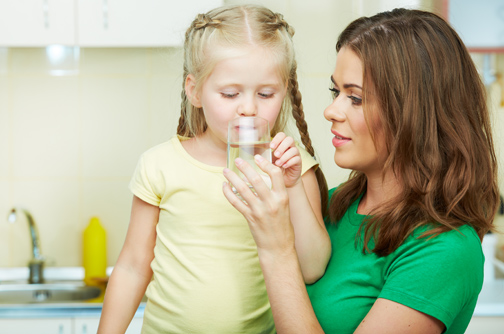
Avoid Overly-Chlorinated Drinking Water

Keep Chlorine out of Water


Chlorine is added to most water supplies to kill bacteria. However, when it reacts with organic matter (like leaves), it produces harmful trihalomethanes or THMs. THMs are chemicals that studies have shown to be linked to an increased risk of miscarriage, bladder and rectal cancers, and birth defects in people who have been exposed to it. High levels of THMs may increase the risk of miscarriage.

Filtration is one way of avoiding chlorine and THMs. Carbon-activated water filters place on showerheads and faucets remove THMs – distillers do not removed THMs. You can also dissipate THMs from tap water by leaving it in an open container in the refrigerator for a few hours, or boiling it for one minute. (Warning: If you have lead contaminated water, boiling will increase the contamination levels.) Installing a water filter is a cheap and effective way to obtain clean water even compared to bottled water that is less regulated than tap water.

According to National Sanitation Federation, NSF Standard 42 is used on filters that can remove contaminants that reduce aesthetic quality (taste, smell, color), such as aluminum, chlorine, iron and sediment. NSF Standard 53 is the most comprehensive and used for filters that remove most pesticides, VOCs, cysts, fluoride, most heavy metals and THMs.

This article is courtesy of Healthy Child Healthy World. For the past 20 years, our friends at Healthy Child Healthy World have provided access to critical information that encourages smarter lifestyle choices to reduce toxic chemical exposure in homes and communities to become a trusted resource for parents. Healthy Child’s vision is a world where every child has the opportunity to grow-up in a healthy and safe environment.

Milk Making Tips for Mamas - The Best Foods for Increasing Breast Milk Supply

Smoothie for Breastfeeding


Think you’re all done growing your baby once they’re born? Not quite! If you chose to nurse you will continue to be responsible for every delicious ounce of baby fat on those chubby thighs! Watching your baby grow on your milk alone is an amazingly powerful experience, but it’s not always easy. In order to produce an adequate supply of milk for your growing baby your body needs a little bit of help and extra care. Breast milk takes about 500 calories a day to make so this is not a time to diet! These milk-making tips will help ensure both you and your baby are well taken care of.

Water

Breast milk is composed of mostly water. Remember how thirsty you were when you were pregnant? Expect the constant desire for a drink (not that kind!) to stick around as long as you are nursing. Keep a full water bottle with you at all times to make sure you are staying adequately hydrated. If you don’t flood your body with hydration your milk supply will soon suffer.

Healthy Fats

Your body needs a good supply of healthy fat to make milk for your baby. Plant based fat sources such as nuts, seeds and avocados are great foods for nursing mamas. A handful of almonds is not only a super healthy nursing snack but can also be eaten with one hand! As a nursing mom one-handed foods will quickly become your friend, especially in the early weeks when it feels like you are constantly nursing your baby.

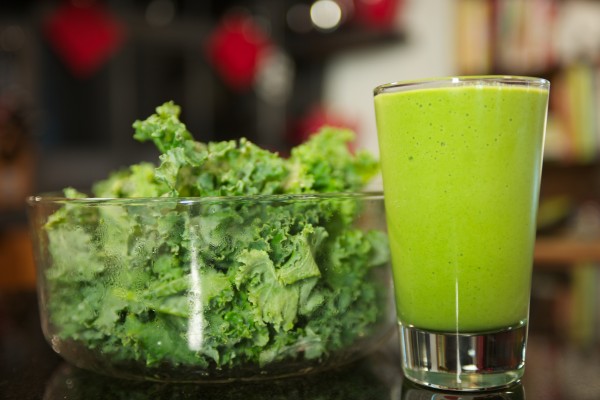
Green Smoothies

Just like when you were pregnant, it is still important for a nursing mom to eat plenty of dark, leafy greens. Spinach and other dark leafy greens contain tons of phytoestrogens, which promote healthy breast tissue and lactation. Ask your partner to make you a green smoothie with spinach, avocado, almond milk and banana while you nurse the baby. Green smoothies are not only delicious and nutrient dense but can also be consumed with one hand!

Special Tea

Certain herbs are known galactagogues aka milk makers. This Nourishment Tea is packed with milk promoting herbs and is quite easy to make. You can order all of the loose herbs from Mountain Rose Herbs for about $20. Then simply mix all the herbs in the right proportions in a big jar or other sealed container. A cup or two of this tea each day will not only help your milk production but will also help balance out those post-partum hormones!

  • 2 parts Red Raspberry Leaf
  • 2 parts Nettle
  • 1 part Oatstraw
  • 1/2 part Alfalfa
  • 1/2 part Rose Hips
  • 1/4 Red Clover
  • 1/4 part Spearmint Leaf

1. Place 1/4 cup of mixture in a sealable 1 quart jar (such as a Ball Jar).

2. Fill jar with boiling water.

3. Steep for 30 mins.

4. Store jar in fridge and drink 1-2 cups per day.

Nurse on Demand

By far the most important tip for healthy nursing is to nurse your baby on demand, especially in the first few weeks. If you allow your baby to nurse whenever they desire your body will get in tune with how much milk your baby needs. Do not be tempted to try and stretch out your baby’s feedings in the beginning. The more milk your baby drinks, the more you will make. So, if you are concerned about your milk supply snuggle up with your baby for a nursing marathon!

Sara Jane Mercer is a Holistic Health and Wellness Coach, Vegetarian Chef and Food Writer and the vibrant, creative spirit behind her eponymous blog that is the go- to source for Clean, Pure and Simple living. After countless hours developing healthy recipes in her own kitchen and sharing them with friends around the world Sara realized that all people needed were the right tools, simple steps to follow and easy, quick recipes. Her mission was to educate and to simplify and thus the Clean, Pure and Simple way of life was born. Sara lives in New York City with her husband, baby daughter and dog and enjoys exploring all of the healthy hidden treasures the city has to offer from local food markets and vegetarian restaurants to natural beauty finds and fun new fitness classes. All of her favorites can be found on her website www.sarajanemercer.com.