Archive for the ‘Uncategorized’ Category

Things We’ve Read – Week of November 3rd

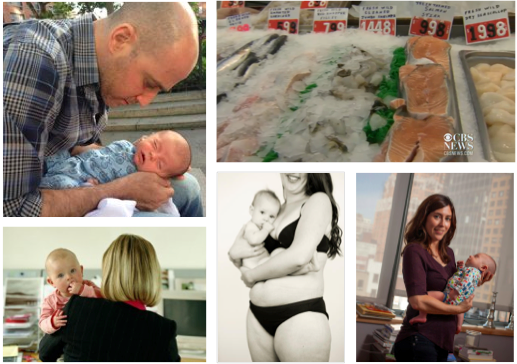
images

New test may predict preeclampsia odds in pregnant women (CBS): A new test predicts preeclampsia risks by differentiating women with preeclampsia from those with high blood pressure alone

The Passion of Parenting (NYTimes): Wonderful op-ed about enjoying parenting.

Baby’s Gaze May Signal Autism, a Study Finds (NYTimes): When and how long a baby looks at other people’s eyes offers the earliest behavioral sign to date of whether a child is likely to develop autism

5 Myths About Labor and Delivery (Huffington Post): We love this breakdown on labor and delivery for first time moms-to-be!

Pregnant? Your Doctor Should Have Told You This (The Daily Green): We’ve been posting about the ACOG and ASRM recent statements that doctors and nurses need to warn moms-to be about the risks of chemical exposure. Here’s another publication’s take on it …

Minimizing Toxins While Breastfeeding

BreastFeeding_060713-617x416

Breastfeeding provides a growing baby with numerous health advantages. Breastmilk’s natural ingredients include protein (whey, casein, and other baby-friendly proteins), fats, vitamins, and lactose, in addition to infection-fighting leukocytes (APA).

If you are considering breastfeeding, it’s a wonderful option. Science Daily, for example, discusses PSTI (pancreatic secretory tripsin inhibitor) which reinforces and strengthens the lining of newborns’ intestines. Leukocytes, which battle illness in babies, also only exist in breastmilk. Nursing could also go so far as to improve baby’s genes in ways that safeguard an infant’s immune system.

However, it behooves moms and their babies to also understand that healthy nutrients aren’t all that can transfer via breastmilk from mother to baby. What you eat, drink, or use for your bodycare during pregnancy and nursing can contaminate your breastmilk and expose your baby to risk. Florence Williams, acclaimed author of “Breasts,” wrote in a 2005 NYT article about how toxins can transfer from mother to baby via the breastmilk. Women in their child-bearing years may have unknowingly developed a “chemical burden,” or buildup of harmful compounds:

When we nurse our babies, we feed them not only the fats, sugars and proteins that fire their immune systems, metabolisms and cerebral synapses. We also feed them, albeit in minuscule amounts, paint thinners, dry-cleaning fluids, wood preservatives, toilet deodorizers, cosmetic additives, gasoline byproducts, rocket fuel, termite poisons, fungicides and flame retardants. -Williams

This should not discourage mothers who wish to breastfeed - but rather should make them more judicious about their exposure to chemical toxins during pregnancy and nursing. What you put into and onto your body counts in the pursuit of a healthy body for both you and your baby. Keep that truth in mind when selecting which products to incorporate into your skincare and haircare regimens.

Women should look after themselves during nursing as carefully as they do during pregnancy. Here are a few tips to accomplish just that, while avoiding exposure to toxins where possible:

  • Use chemical-free, natural products. Research and stick to beauty lines such as our very own Nine Naturals.
  • Read product labels closely. Learn how to recognize variations of harmful chemicals as phthalates and sulfates.
  • Eat organic. Make organic food choices that optimize your nutrient sources and minimize chemical exposure, like pesticides.
  • Steer clear of second hand smoke. You obviously know not to smoke at all while pregnant. Research also proves that cigarette and marijuana smoke can subject your infant to risk of SIDS and stunted growth and development.
  • Avoid synthetic fragrances. They’re riddled with toxins and can enter your body through your respiratory system and through your skin.
  • Inform your physician of any and all medications. From aspirin to acne cream, even the most innocuous medication can cause harm to your body and your baby’s body while nursing. Have a detailed discussion with your pediatrician and / or obstetrician to go over which meds are safest and which are risky.

Want to learn more about preparing for breastfeeding? Read our Top 5 Tips on how to Prepare for Breastfeeding and Top Breastfeeding Gear from Expert Lactation Consultant Sheridan Ross. Also checkout our Nine Ways to Reduce Your Toxic Burden During Pregnancy.

We wish you a wonderful experience with your newborn. As always, we encourage you to keep your body healthy through pregnancy, breastfeeding and beyond. Because taking care of yourself is the best thing you can do for your baby - especially during this special time in the baby’s development.


All about Phthalates! Why and How to go Pthalate-Free.

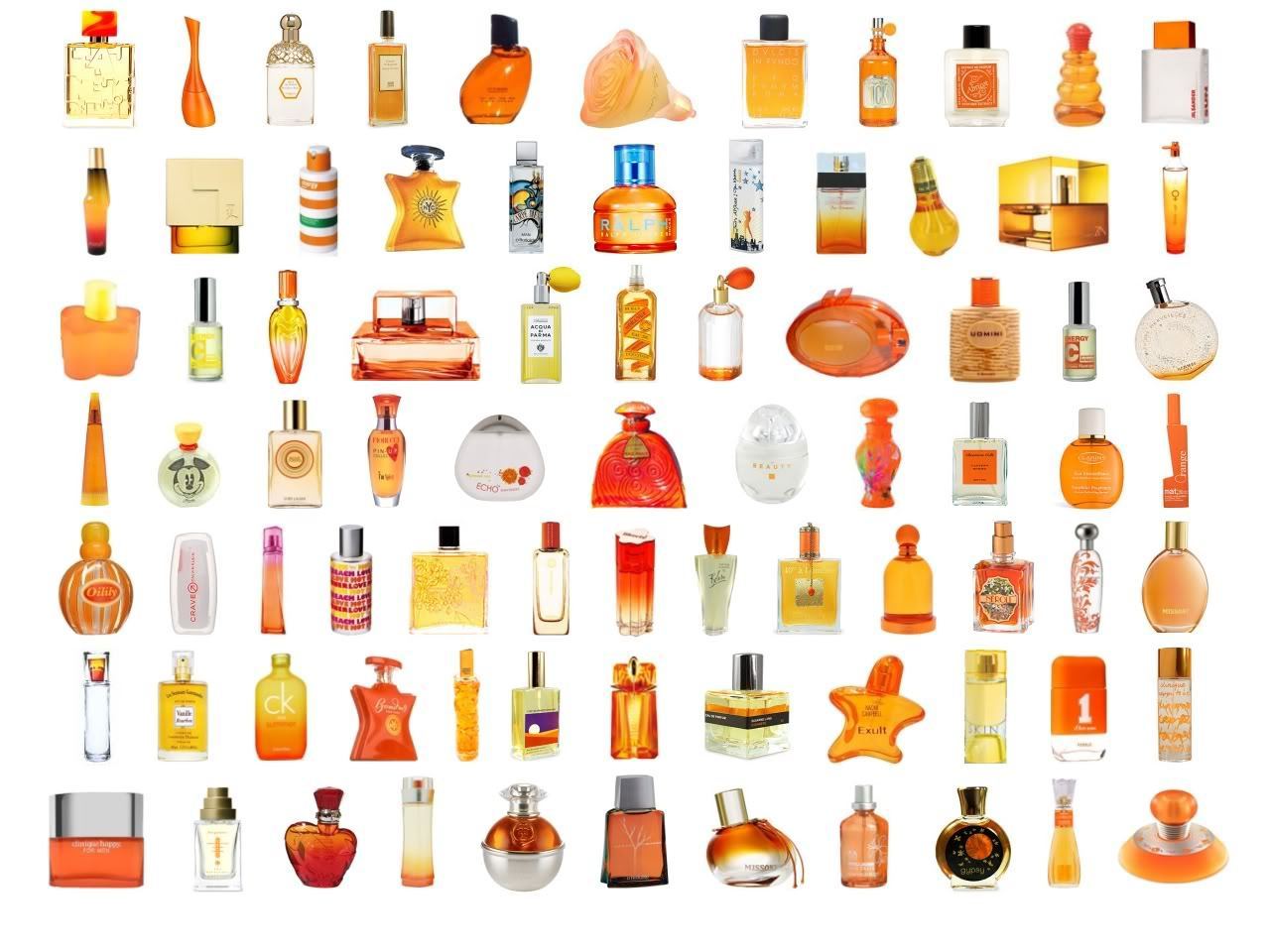
Fotos-de-perfumes-color-naranja

Nine Naturals has mastered a few important things, not the least of which is pronouncing the word “phthalates.” We’ve taken great care to keep our products and packaging completely void of phthalates. We also stay current on science about phthalates so that we can keep our customers informed about how to avoid phthalates in their daily lives.

What are Phthalates?

Phthalates are a group of chemical compounds commonly found in household products, from children’s toys to plastic water bottles and from cleaning supplies to shampoo. It’s been estimated that approximately 70% of personal care products include these chemical compounds.

Phthalates are used to make plastics more flexible, transparent, durable and pliable. They also improve how well paint can be applied (as in your nail polish) and help scents linger in the air longer. Phthalates can also be found in medical tubing, pill encasements and IV bags.

Because of their widespread use by manufacturers in a number of industries, phthalates can prove very difficult to avoid.

Here is a quick list of products that commonly contain phthalates:

  • Shampoos and conditioners
  • Hair coloring products
  • Eyeliner / eyeshadow
  • Blush
  • Perfume
  • Air freshener
  • Nail polish
  • Hairspray
  • Deodorant
  • Feminine products
  • Plastic food packaging
  • Plastic wrap
  • Plastic water bottles

Why Phthalates Are Dangerous.

One of the notable behaviors of phthalate compounds is that their decomposition accelerates as plastics age – this is one of the reasons that phthalates are so dangerous and nearly impossible to completely avoid.

Phthalates pose a very high risk to your health and to your baby’s well being. Potentially carcinogenic, phthalates can prove toxic to developing fetuses and can produce birth defects in baby boys.

Phthalates also interrupt your body’s natural hormonal processes – “hormone disruptors.” Phthalates can wreak havoc on your fertility levels, jeopardize your endocrine system, and can also incite endometriosis and PCOS, a serious ovarian disorder.

The good news about phthalates is that they do not accumulate in the body, unlike other harmful chemical compounds. Speaking unambiguously to the ubiquity of phthalates, a 2001 CDC study revealed that every single person in the study had phthalates in his or her body. Because women so often use products containing phthalates (like cosmetics), sustained exposure to these chemicals is high for females.

Women in their childbearing years and children hold the greatest risk of phthalates producing serious consequences to their health and their baby’s health. Research from the Columbia University Mailman School of Health correlated prenatal exposure to phthalates to several disorders in preschool-aged children: reduced mental development, motor skill deficiency and behavioral challenges. Women who unwittingly use products containing phthalates can jeopardize their children’s future.

How to Minimize Exposure to Phthalates

Identifying phthalates in your product’s ingredient list seems challenging and tedious. But here are a few tips to help you:

  1. Avoid all products from companies that list “fragrance” as an ingredient. In our blogpost about “How to Read a Label,” we explained that, due to patent guidelines, fragrances are legally protected from having to disclose contents. Phthalates are often used in creating fragrances, but are not disclosed as an ingredient because they are a part of the “fragrance” of a product. As an alternative, use products that, like Nine Naturals, only use natural, plant-derived fragrances.
  2. Seek out transparency on product labels. Purchase from companies who disclose all the ingredients contained in their products. Consumers shouldn’t have to guess what goes into the products they use on their body. For instance, Nine Naturals always discloses the exact fragrance of its products and never hides ingredients behind a “fragrance” label.
  3. Avoid products containing one of these acronyms: DBP, DEHP, DMP, or DEP. Also note that “dibutyl / diethyl ester,” or any variation thereof, signals phthalates. So does “1,2-benzenedicarboxylate.”
  4. Use glass containers to store food. Phase out that plastic Tupperware! And promptly throw away Tupperware that is already showing scratches and other signs of damage.
  5. Never use plastic containers or plastic coverings, like plastic wrap, when heating food. Heat can accelerate the breakdown of phthalates in plastic. Transfer your food to a glass bowl or plate and use a paper towel or a plate as a cover.

A Natural Solution

Keep in mind – natural hair maintenance offers more than phthalate-free, chemical-free safety; it also fosters sensational hair. Pregnant women who use plant-based, natural products can capitalize on their fuller locks without worry.

Mother Nature helps achieve this with stunning “ingredients” like cupuaçu butter, which nourishes hair with its Omega-6 and -9 fatty acids. Meadowfoam seed oil naturally protects hair against UV radiation. And impressive shine is just one asset of the oil from the sweet almond. Nine Naturals’ phthalate-free, all-organic shampoo and conditioner incorporate these and other healthy-body, healthy-hair ingredients.

Things We’ve Read – Week of October 6th

Screen Shot 2013-10-13 at 11.47.56 AM

You’re a Stay-At-Home Mom? What do you DO all day? (The Matt Walsh Blog): A husband defends the value of the work that mothers do in caring for their families.

Breakthroughs in Screening (NYTimes): A new minimally invasive prenatal test yields extremely accurate results using fetal genetic fragments found in the mother’s blood

To Medicate or Not Medicate (The Huffington Post): For moms-to-be managing anxiety/depression medication (or non-medication) during pregnancy, this article offers 6 helpful cognitive-behavioral therapy tools.

After the I.V.F., the Wait (NYTimes): Amy Klein describes the two week wait after her first IVF.

Sean Penn Film ‘Human Experiment’ Explores Potential Dangers of Toxic Chemicals in Household Products (ABC NEWS): In his new filmm Sean Penn is taking on the risk of exposures to environmental toxins in what were once considered innocuous.

Creating a Green Nursery … a Healthy Space for your Newborn!

Screen Shot 2013-10-09 at 3.00.41 PM

Every mom wants to create a beautiful nursery for her new baby. It’s one of the first physical gifts we as parents give our child and we want it to be as much a manifestation of adoration as four walls can muster.
We at Nine Naturals know the feeling. We also want to help new parents create a nursery that is as safe as it is stylish.
Make it organic? Sure, but let’s be more specific. Setting up a green nursery is not just about following the organic trend. It’s a way of helping to ensure your baby’s health and well-being in his or her earliest years.
Nine Naturals’ recommendations for a truly green and safe nursery:
  1. Keep the room ventilated! An unseen threat to a green nursery is the presence of VOCs, or volatile organic compounds, which are released (or “off-gassed”) by thousands of products. These compounds are used to help paint spread and eventually dry. VOCs pose long-term risks to human health and the environment. And although VOCs are everywhere, it’s indoor air that tends to have higher concentrations of VOCs. Remember to avoid VOCs at all costs, especially in your little one’s new room.
  2. Avoid exposure to harsh fumes that can emerge from traditional paints and lack of air flow. Avoid major home renovations during pregnancy, which can increase chemical exposures, or try to avoid being in the house during the work. Purchase no-VOC paints, and ensure that the future nursery has excellent ventilation — particularly while it’s being painted.
  3. If you must use carpets, be very, very picky. Carpets can serve as home to allergens and dust mites. Further, many synthetic carpets are made with latex backings, and these backings as well as the adhesive used to affix them to floors can release VOCs by “off-gassing.” Looking for an alternative? Try a rug made of natural fibers like wool or cotton that does not come with a synthetic backing.
  4. Buy toys made from natural materials. Ensure that all of your baby’s toys are nontoxic, non-PVC, non-BPA and non-phthalate. In other words, look for toys made of natural materials such as wood or silicone. Before you know it, your baby will be sucking and teething on everything in sight. PVCs can leach harmful phthalates, and BPA (bisphenol-A) can also impact your baby’s long-term well being. We prefer toys made from organic cotton and sustainable wood. Check out Plan Toys for some great options.
  5. Choose organic or natural fiber bedding. Why? Your baby is going to spend a large part of his or her early years sleeping in a crib. Most crib mattresses on the market contain toxic chemical fire retardants, which have been associated with many health issues. Organic cotton, natural wool, or bamboo mattresses and bedding are friendly to both the environment and your baby’s skin. We like brands like Nook and Naturepedic.
  6. Purchase a crib and baby furniture sourced from certified sustainable or reclaimable materials. Ideal furniture pieces also completely avoid the use of VOC’s and formaldehyde – not only in their wood, but also in their paint, glue, and or resin. Take a look at beautiful designs from Oeuf and Duc Duc or for a cheaper alternative, consider Ikea.
  7. Opt for all-natural, nontoxic, and chemical-free cleaning supplies to maintain a tidy green nursery. You should be able to read and understand, simply from the label, every single ingredient that your cleaning products contain. Green products are environmentally sustainable and their ingredients are safe for your baby to touch or inhale. Our founder Grace uses Dapple in her daughter’s nursery.
  8. The same principles apply to other baby needs like clothing and diapers. You spent nine months making a natural environment for your growing baby in the womb - keep it up in their nursery!

What tips would you add to our list for the ideal green nursery?

Things We’ve Read – Week of September 30th

Screen Shot 2013-10-06 at 12.25.03 PM

Uncertain Inheritance: Transgenerational Effects of Environmental Exposures (Environmental Health Perspectives): Scientists are studying the effects chemical exposures can have over multiple generations.

Longer Maternity Leave Not So Great for Women After All (Time Magazine): Turns out women in those Nordic countries with luxurious maternity leaves get mommy-tracked when they go back to work

Breast-Feeding Services Lag Behind the Law (NYTimes): Despite laws under the Affordable Care Act implemented to support breastfeeding mothers, many new mothers have found it nearly impossible to get timely help for breast-feeding problems since Jan. 1, when health insurers began updating their coverage.

Ah, There’s Nothing Like New Baby Smell (NYTimes): The smell of a newborn has the same dopamine effects on a woman’s brain as doing coke.

Consumption of fish may have little effect on mercury levels in pregnant women (CBS News): A new study finds that fish consumption by pregnant women may only contribute to 7% of their blood mercury levels.

Fourth Trimester Bodies Project (Co.Create): These photos show what women really look like after pregnancy

Things We’ve Read – Week of September 16th

o-VOGUE-570

Four Ways to Tell if Natural Childbirth is Right for You (The Stir): What factors you should consider, such as pain tolerance and your support system in assessing whether natural childbirth is right for you.

Drinking Milk in Pregnancy May Lead to Taller Children (NYTimes): A study in Denmark about the impact of milk during pregnancy on the height of children. The study suggests, in fact, yes, the women who drank milk during pregnancy had slightly taller children than those who did not.

Can You Really Balance it All? (Mom.me): Nina Garcia shares her advice on balancing it all with her top tips for staying on top of a high pressure career and motherhood.

The Simple Test that Saved my Baby (NYTimes): How a simple, inexpensive test for congenital heart problems can save a newborns life and the debate over whether it should be required by law to be administered to all newborns.

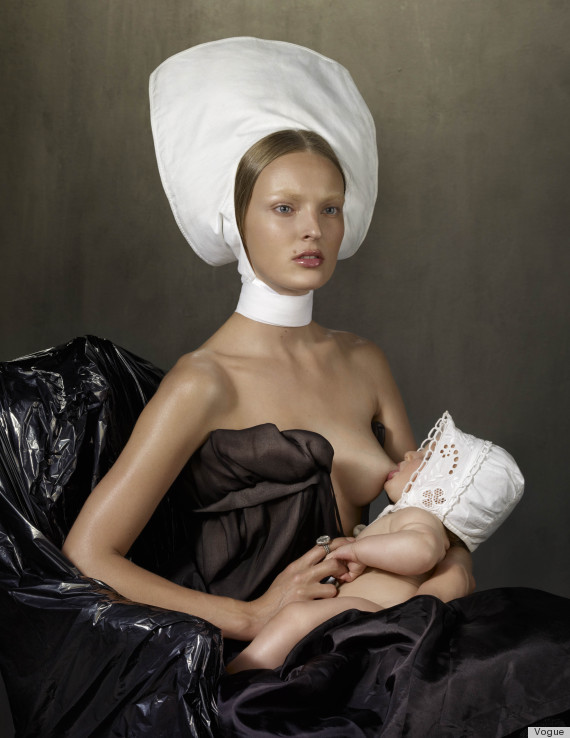
Vogue’ Breastfeeding Shoot is Pretty Fearless (HuffPo): HuffPo’s Style addresses this controversial photo shoot! What do you think?


Things We’ve Read - Week of September 9th

MeandAuggie2jpg-2589288_p9

10 Questions Everyone Needs to Stop Asking Pregnant Women: Jessica Ciencin Henriquez, a guest blogger on HuffPo implores readers to heed her advice and mind the boundaries of pregnant women by canning it on certain questions, like “Was it planned?” Good Grief.

The Unnatural Mom: We love this honest perspective and think it’s a true tribute to every mom’s freedom to do things her way. Krista (“kinfante”) discusses her decisions about what aspects of her pregnancy decisions she wanted to be “natural” and why the “unnatural” paths might inappropriately judged.

Hair Tips: Organic vs. Natural: From the hair community Bangstyle, Audrey Adrine discusses the important misunderstandings about organic haircare.

An Herbal Approach to the Cold & Flu Season: Mothering’s Amy Paolinelli and Melanie Mayo actually speak in the context of helping children through their colds and flus, but we think this is a great article for pregnant women who want to keep it all-natural when they’re feeling under the whether - think peppermint, elder, garlic and more …

Braids are Back!: Refinery29 tells us that we can channel Little House on the Prairie again when we’re doing our hair in the morning. Per observations at NYC’s recent Fashion Week and R29′s spot-on expertise in style, braids are popular this fall - tight, loose, high, hanging … And this link has 10 great examples.


Things We’ve Read - Week of August 18th

Is There Danger Lurking in Your Lipstick?: Deborah Bluhm from NYTimes addresses the Boston University study which shows that in addition to lead, many metals exist in lipstick. What does the FDA say? Should people change their lipstick habits?

BPA, phthalates tied to kids’ weight, diabetes risk: Reuters’ Genevra Pittman covers a NYU and University of Michigan studies linking obesity in children to BPAs found in packaging for their food. The contributors clarify that the studies are based on urine samples, though blood-level analysis is required to prove that BPAs affect weight in children.

Another freaky side to infertility: Rodale’s Leah Zerbe shares infertility statistics as well as statistics about BPAs which show connections between the two. The article also features helpful tips on how to avoid BPAs.

Top 5 Natural Remedies During Pregnancy: offers helpful advice for the pains that ail pregnant women. Like fennel seed tea for heartburn!

The Re-education of My Perineum: Ruth Foxe Blader from the NYTimes sheds light on a good reason to keep seeing your midwife after you’ve given birth. And some helpful suggestions about how to get your perineal area back in tact and in shape in a health way.

Top Breastfeeding Gear from Expert Lactation Consultant, Sheridan Ross

Top Breastfeeding Essentials

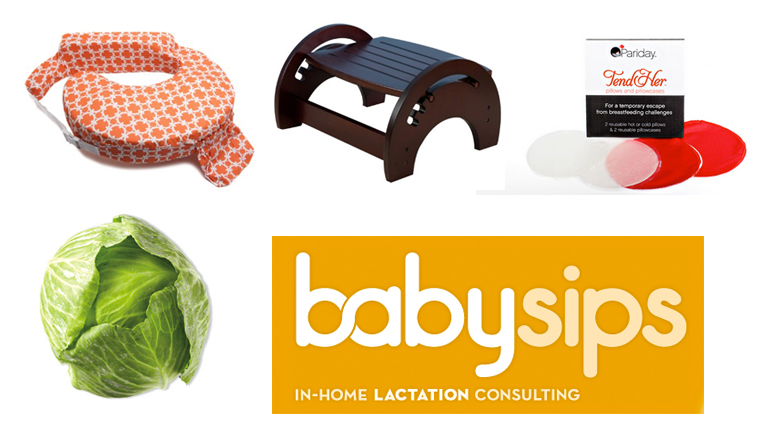
As part of Breastfeeding Awareness Month, we sat down with expert lactation consultant, Sheridan Ross of Baby Sips, to learn more about what breastfeeding gear to purchase ahead of the baby arriving. There are great products out there that will help to make breastfeeding a smoother and more comfortable - especially in the beginning as you’re just getting a handle on it. Here are Sheridan’s recommendations for Top Breastfeeding Gear to purchase before the baby arrives:

  1. Mommy’s comfort is imperative! That doesn’t mean go out and buy a giant glider, though. Move around your home and see what you’ve already got “in stock”. What use to qualify was your cushy recliner, but with a newborn and donut pillow it might be the last thing you want to sit on while breastfeeding. Not too deep, not too soft, not too narrow (I sound like Goldilocks). You need to be able to relax but be supported and comfortable. Locate that place before you bring home your baby so you know where to go when it’s time to feed. As you get into a rhythm with nursing, these might change.
  2. Nursing Pillows. I’m a huge fan of the My Brest Friend. It gives fantastic lumbar support and gets up nice and close to you. Firm pillow top allows you to use more pillow support and less upper body strength when nursing.
  3. Nursing Foot Stool. This might seem like a frivolous purchase, but I promise you, the ottoman from the front room will not work. The nursing stool is just a few inches off the ground, usually at the correct angle for your feet and it’s wonderful. It brings your lower back into a neutral position (no back aches, no strain), knees come up a little offering additional support under your MBF pillow. I’ve seen it make a huge difference for many nursing mommas.
  4. Pariday TendHer Pillows. These are the greatest things since sliced bread. Filled with a non-toxic vegetarian food-based gel inside a deliciously soft safe plastic pouch (BPA + phthalate free), they last for FOUR WEEKS. Not 72 hours. Not 6 days. 4 weeks. And they maintain their “feel good” status the entire time. Use them warm, cold, room temp – it all works. That means less waste and multiple uses! Sore nipples, inflamed areola, plugged ducts, plugged nipple pores, engorgement, headache, cramps, early teething comfort, boo-boos, and more. They come with pillowcases to help wick away milk and prevent leaking on clothing. Once you hold them in your hand they’re hard to put down.
  5. Green Cabbage for engorgement. You don’t eat it; you WEAR it. Here’s how to use it properly:
  • Buy a head of common green cabbage.
  • Remove the core and carefully peel individual leaves from the head of cabbage.
  • Wash the leaves, pat them dry, and pop them into the fridge – cooling provides more comfort.
  • Choose your leaves and roll them with a rolling pin (or a similar object) to break up the fibers.
  • Gently place the leaves around the engorgement of your breast (not the areola or nipple), and possibly up into the swollen area under your arms; and wear a light supportive bra (no underwire!) for at least one hour. By this time the leaves should be wilted.
  • Discard the wilted leaves.
  • Repeat the process every 4-6 hours until the engorgement subsides.

You might feel like a walking salad but it’s better than feeling like a walking zombie!

Why Cabbage? Cabbage has a natural anti-inflammatory effect when used for a short period of time; however, it should not impact your supply if you’re constantly removing milk by nursing or pumping. When using cabbage for an extended period of time, without milk removal or breast stimulation, it can impact your milk supply – consider it a good tool again when you’re ready to wean.

If the road starts to get bumpy, then call for support. If you’re having pain from the start, call for support. If you’re a first time mommy or this is your seventh child, this new baby has never nursed before so be patient while you figure it out together. There’s a bit of a learning curve so have your “village” help with the house, laundry, and cooking, and call your IBCLC. You won’t be sorry.

Want to learn more about breastfeeding? Read Sheridan’s Top Five Tips on How to Prepare for Breastfeeding.

Sheridan Ross is a skilled and compassionate lactation consultant who provides counseling, education and support to moms at every stage. Sheridan is internationally board certified and received her education from UC San Diego and Health e-Learning’s Breast-Ed Series from Australia. She is a member of ILCA (International Lactation Consultants Association), USLCA (United States Lactation Consultants Association), and BALA (Bay Area Lactation Association).

Sheridan has worked as a lactation consultant at Healthy Horizon’s Breastfeeding Center, at the Family Birth Center in Mills-Peninsula Hospital, and is on staff at Bay Area Fertility & Pregnancy Specialists and Pediatrics. She regularly teaches breastfeeding classes, infant massage classes, and hosts support groups. Sheridan’s commitment to infant health and wellbeing extends to her additional roles as a labor doula, certified massage therapist with a focus on prenatal massage, and as a certified instructor of infant massage. For more information, please go to: www.babysips.com or 650-BABYSIPs (650-222-9747).